
Aging Societies & Migration
Future Lab #1 BERLIN
24 - 26 June 2026
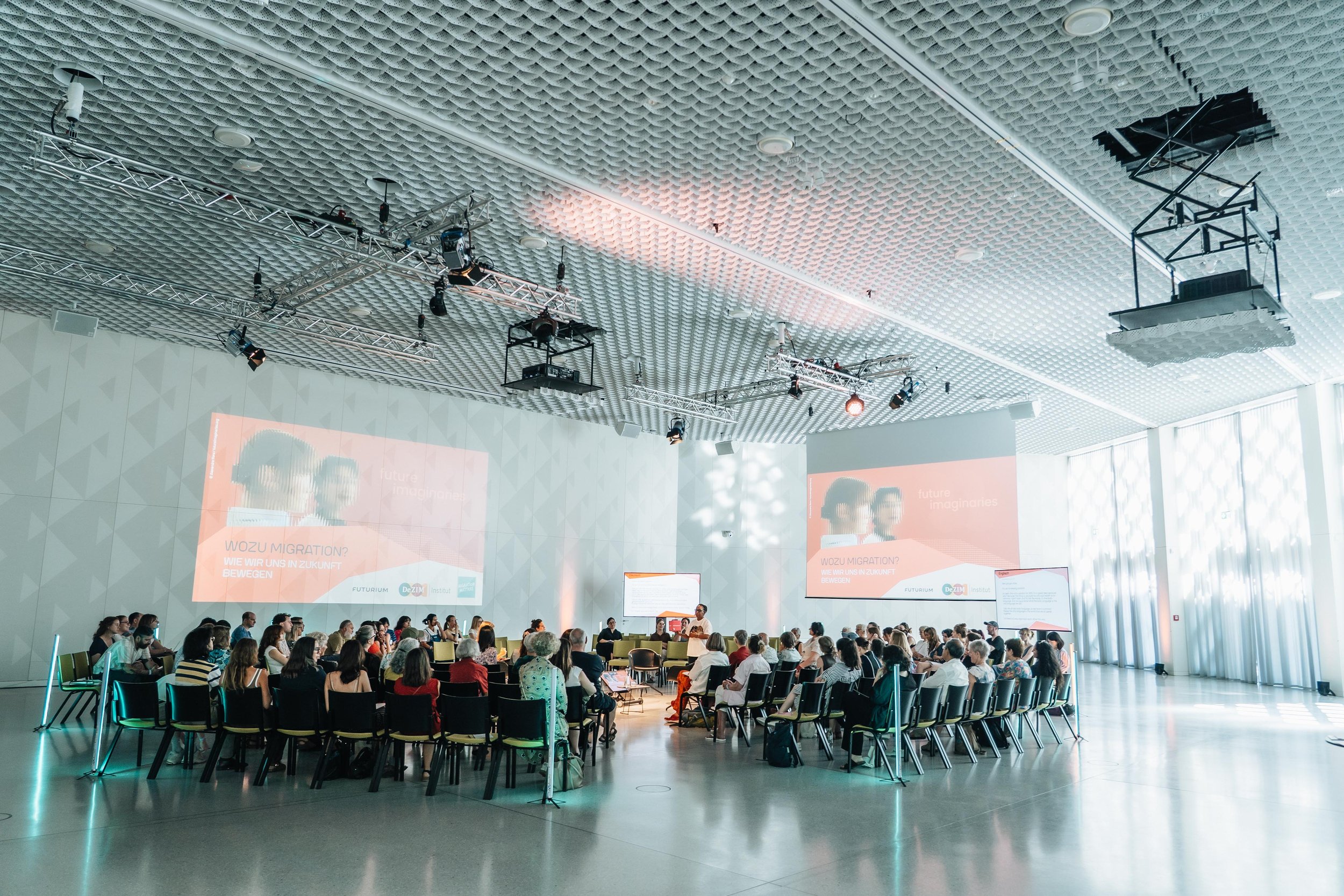
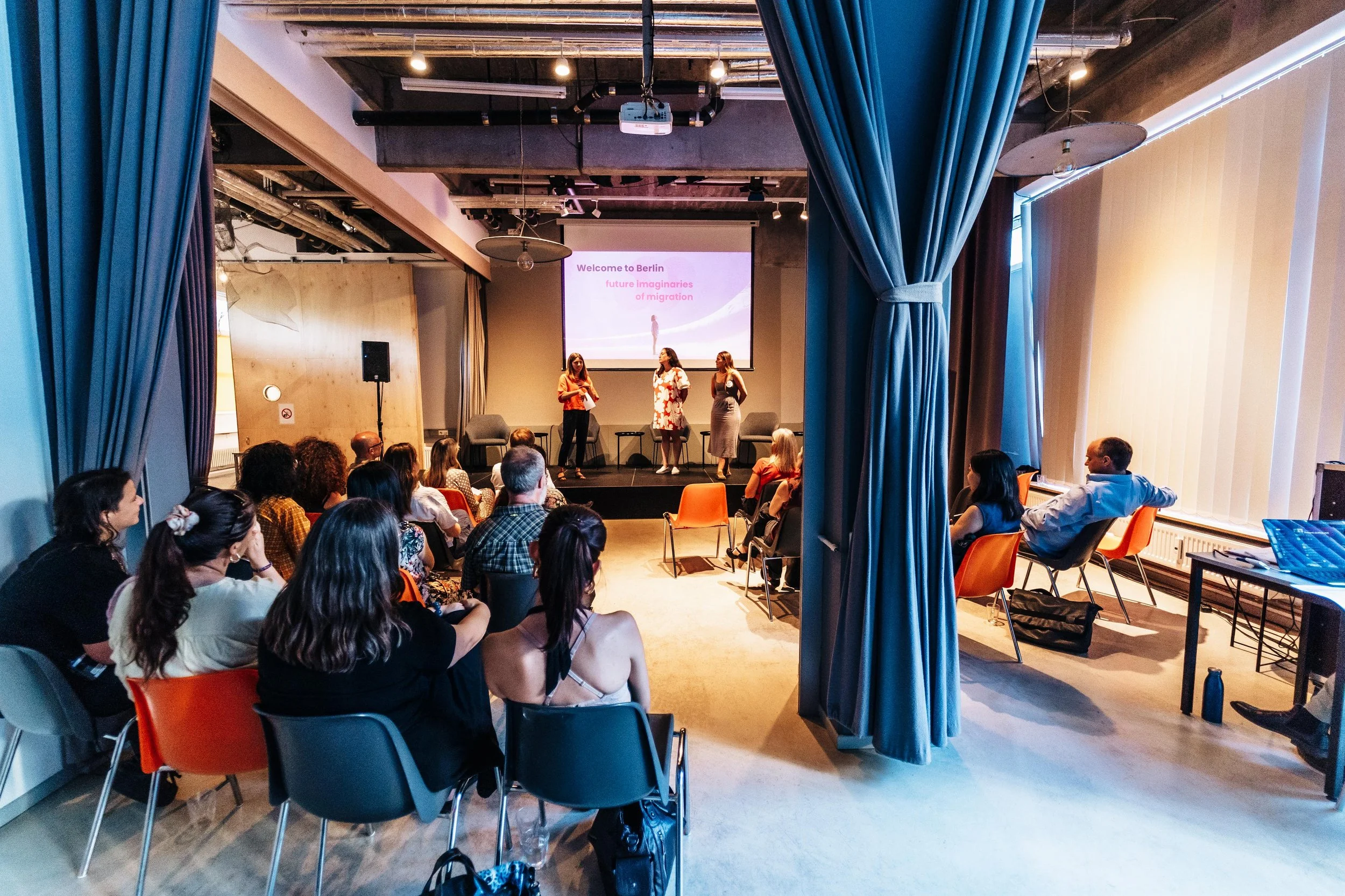
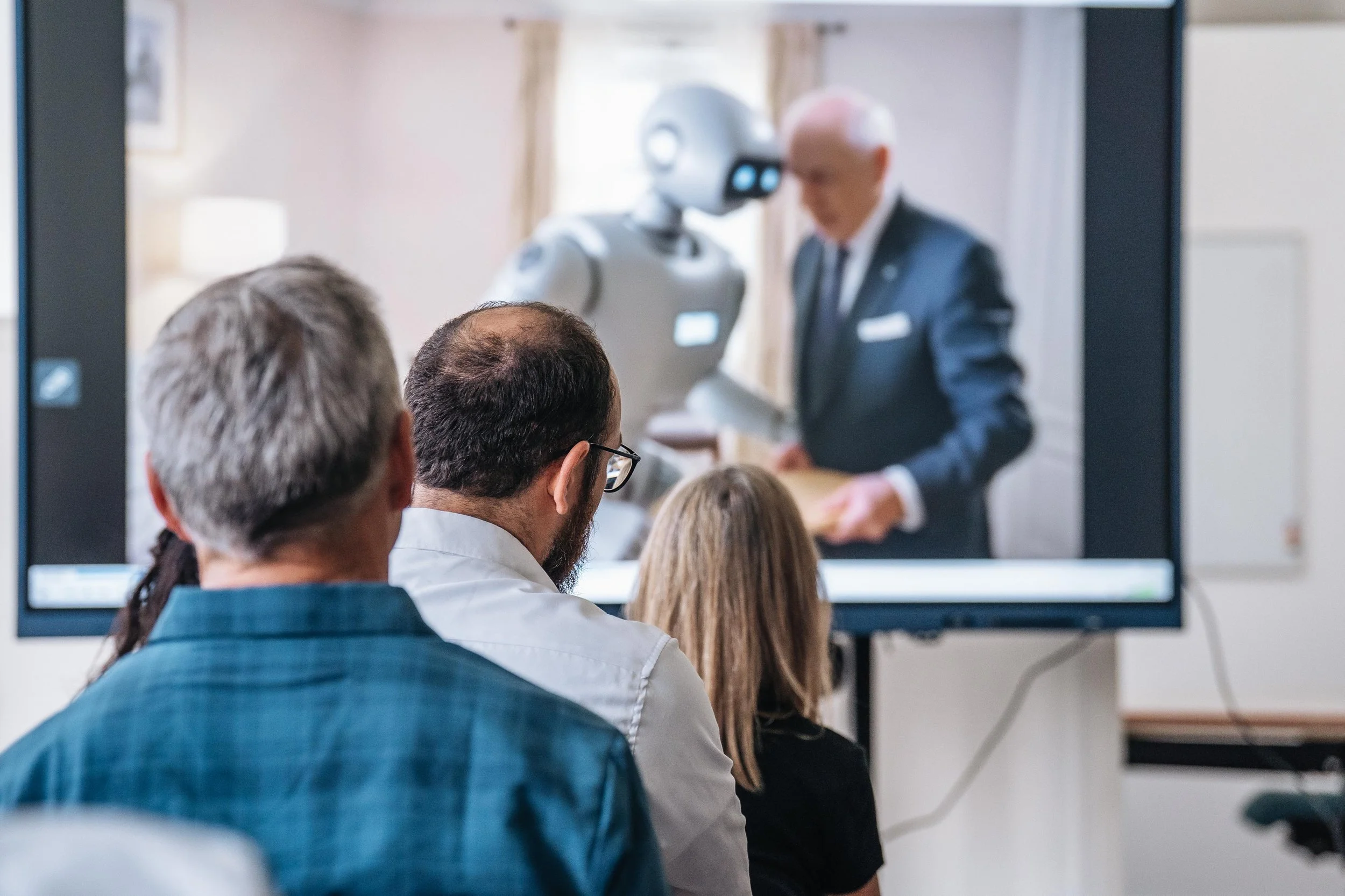
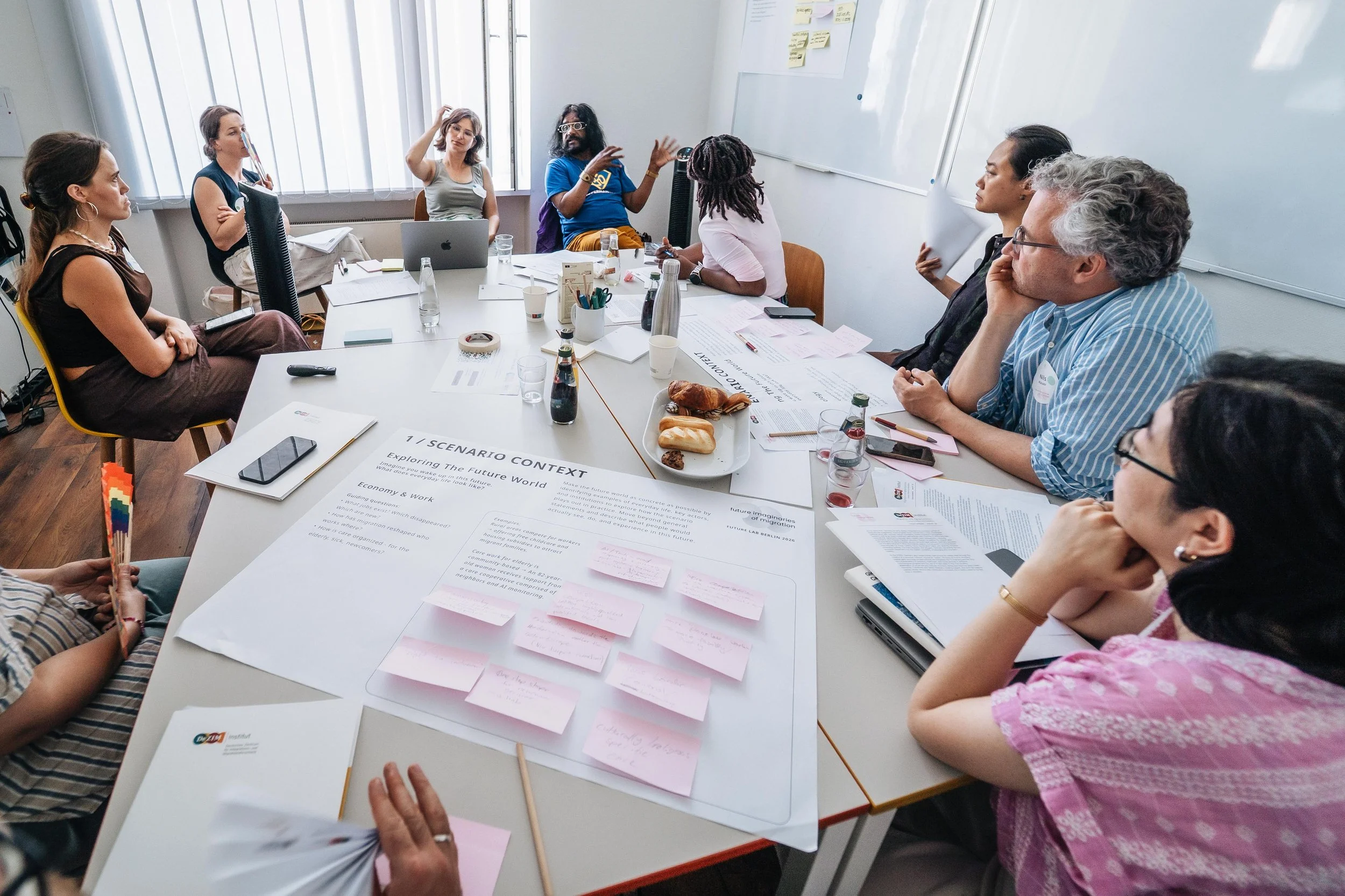
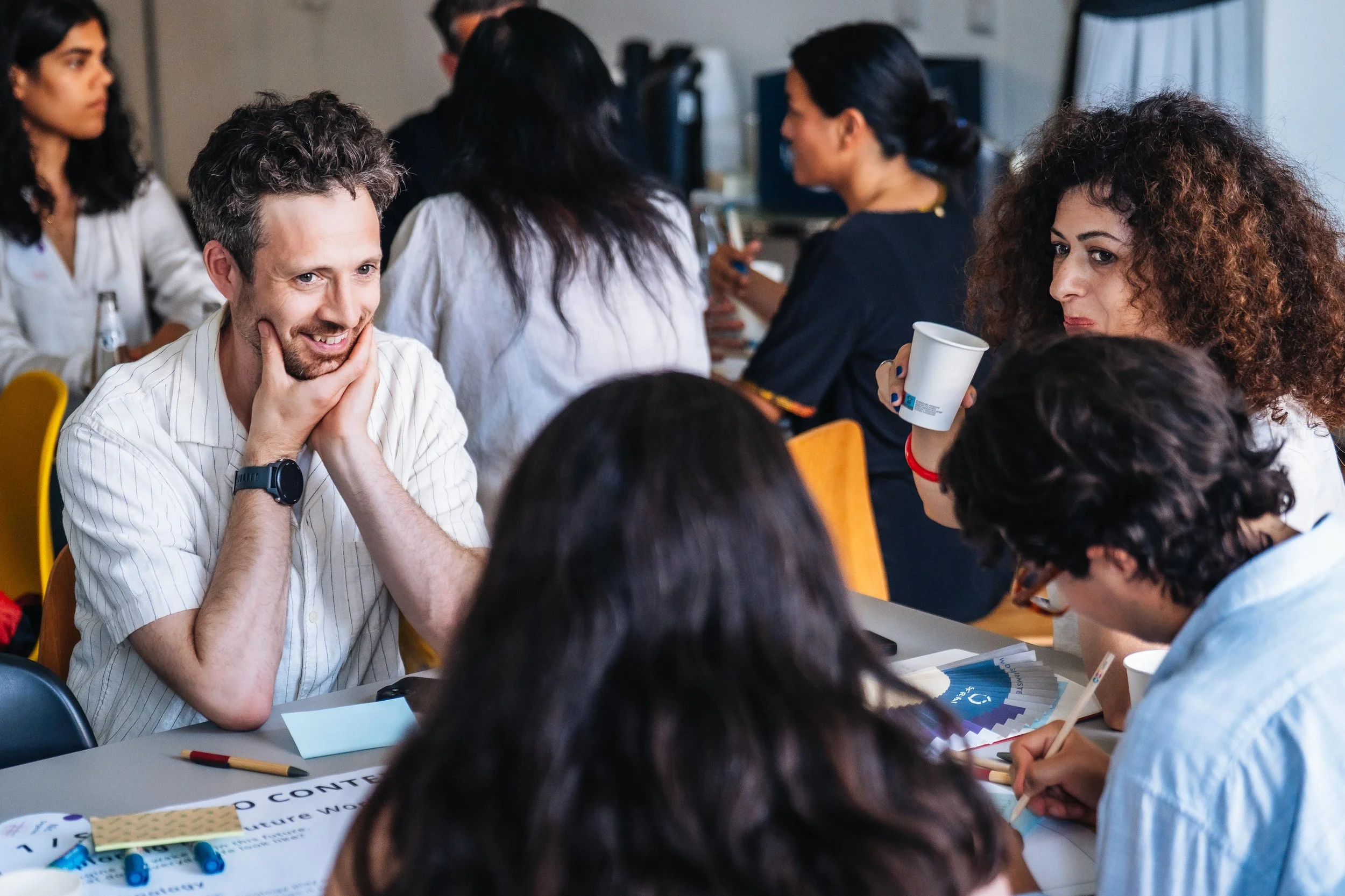
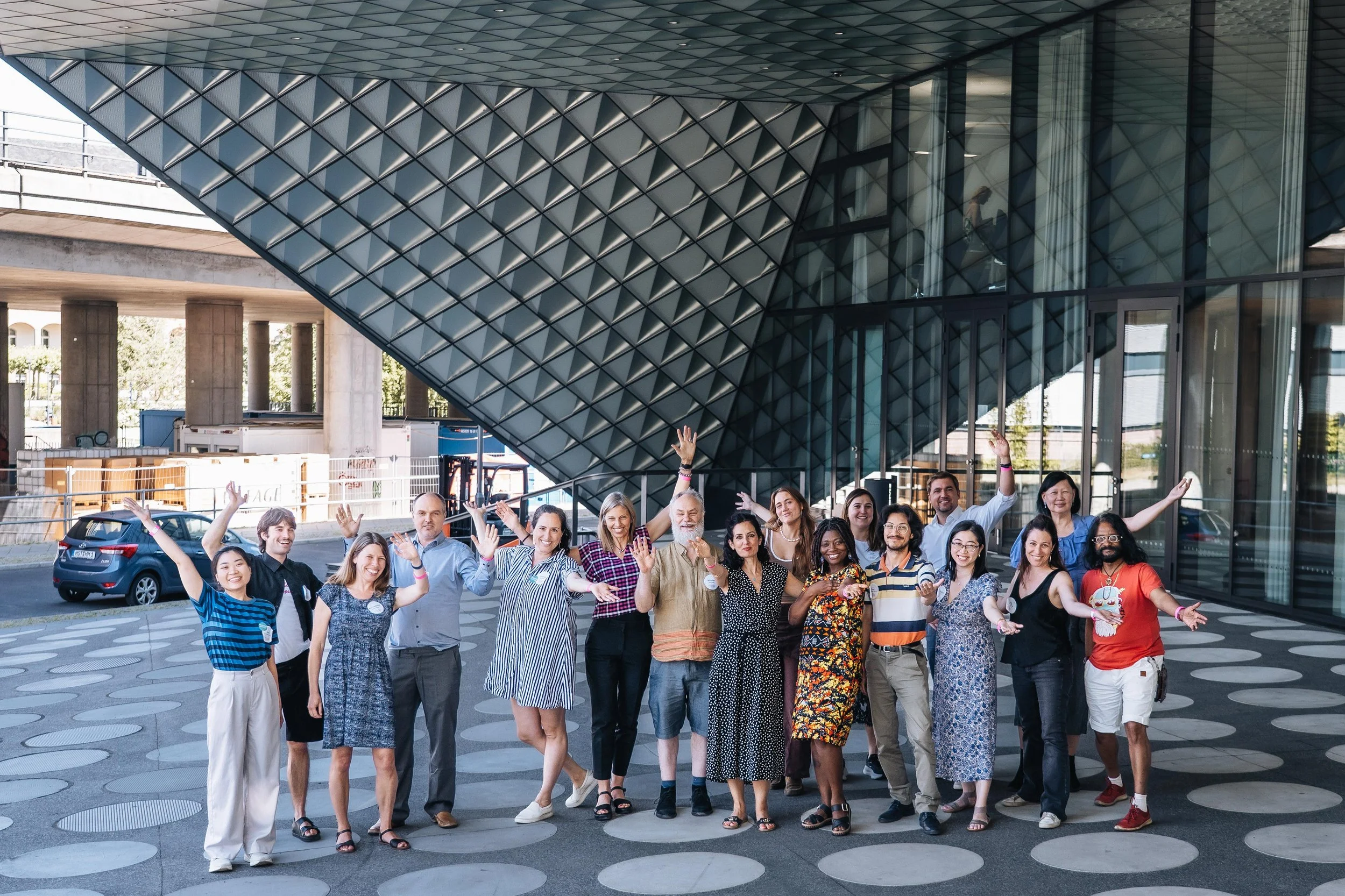
The first FutureLab in Berlin in June 2026 focused on the role of mobility in aging societies, exploring different scenarios of how demographic change and migration might interact over the coming decades.
The world is aging unevenly. While some regions remain demographically young, the Global North – Europe in particular – is facing a rapid contraction of its working-age population.
By 2050, for instance, over a third of Germany's population will be aged over 60, with the proportion of the very elderly (those over 80) rising to 10%. Consequently, shifting intergenerational dynamics, rising care needs and labor shortages mean that migration will be crucial to Europe’s future.
The exploration addressed deeper questions:
What forms of mobility will emerge as Europe competes for younger talent?
How will care systems function as domestic workforces shrink?
How might social cohesion in Europe evolve as societies simultaneously age and become more diverse?
The FutureLab#1 Berlin examined developments affecting older people with limited mobility and increased care needs. It also considered the implications of these developments for younger generations, calling for a new intergenerational social pact that goes beyond a purely utilitarian approach to migration.
BASIC KNOWLEDGE FROM RESEARCH
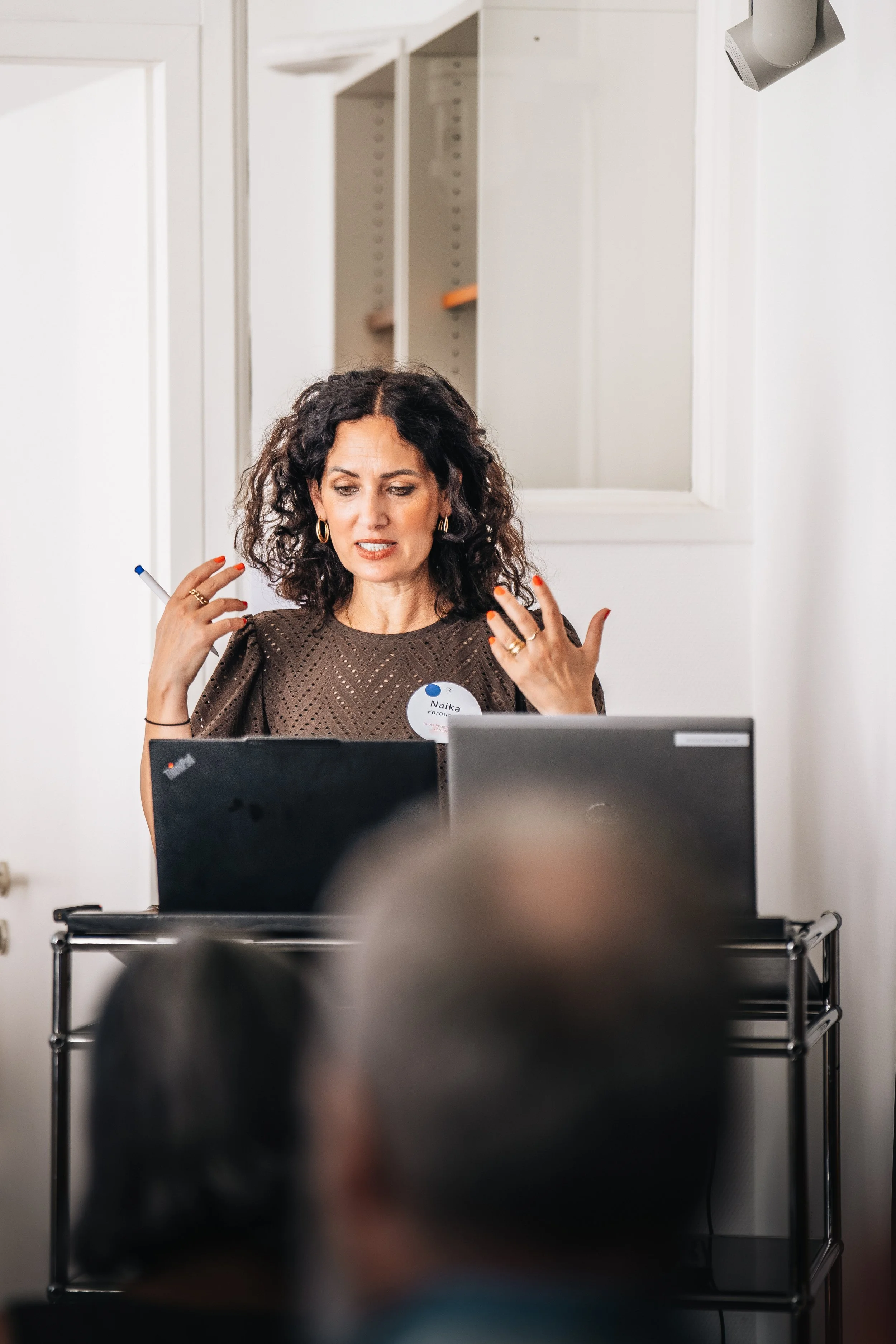
In her opening presentation at the German Center for Integration and Migration Research, Prof. Naika Foroutan, migration researcher and host of the Future Lab in Berlin, provided insight into the connections between demographics, migration trends and needs, and the public discourse on migration in Germany.
Recorded at the Future Lab event at DeZIM on June 25, 2026
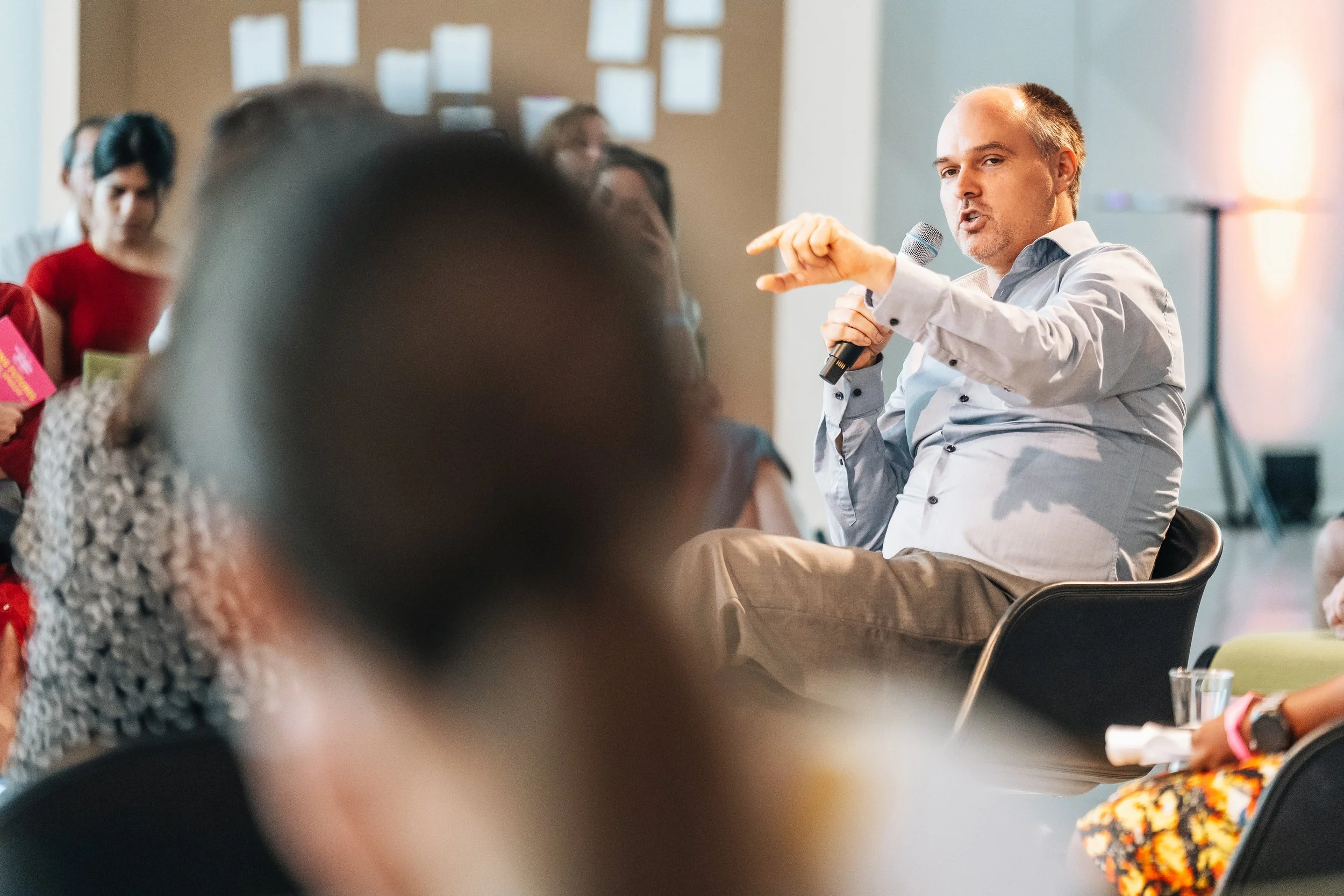
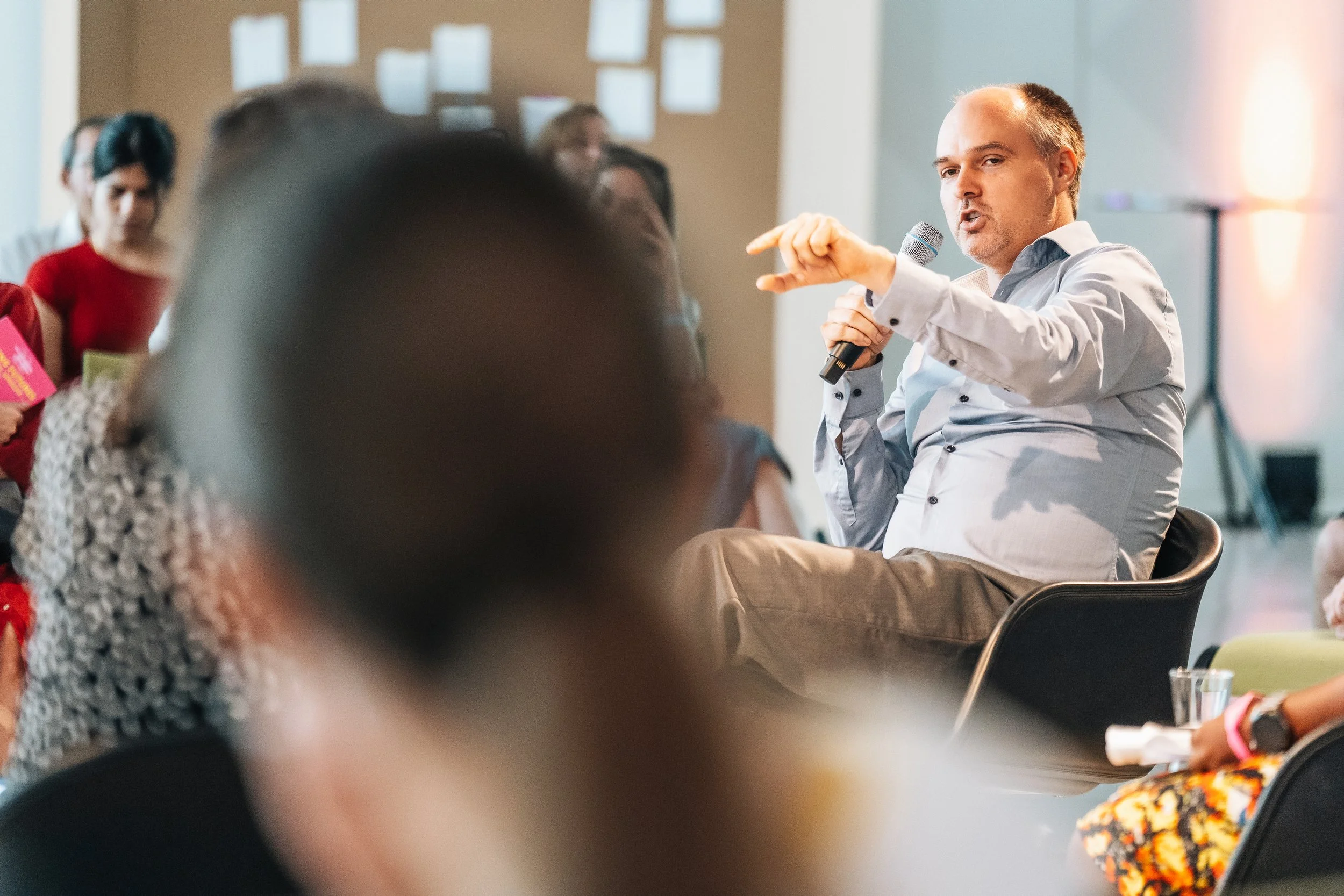
As a conceptual foundation for the Future Lab Berlin participants, migration researcher Marcus Engler (DeZIM) provided an overview of the role migration could or should play in the future in light of Germany’s aging population.
Based on current projections, it becomes clear how sharply the proportion of older people and the shortage of skilled workers in the country will grow ...
4 FUTURE SCENARIOS
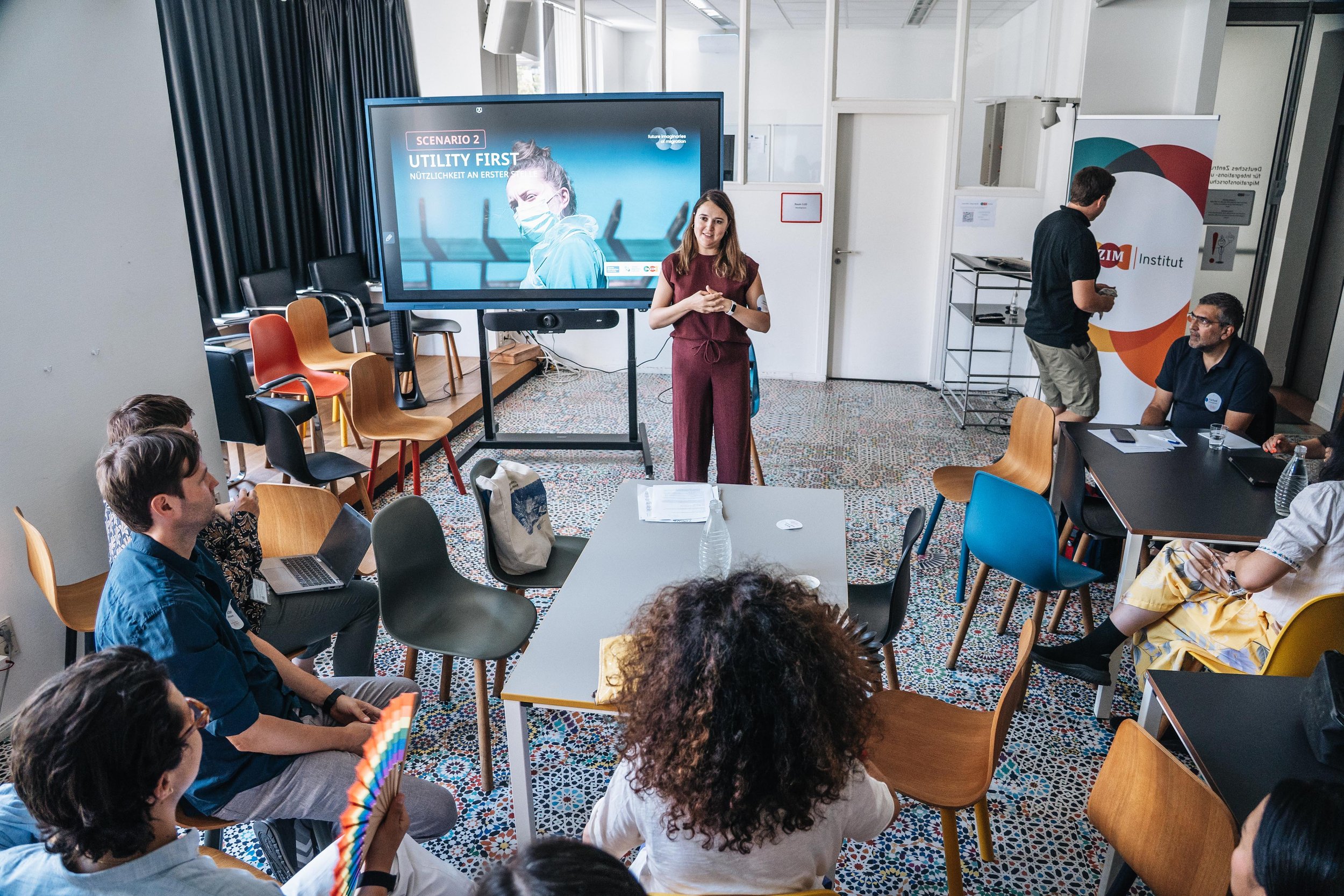
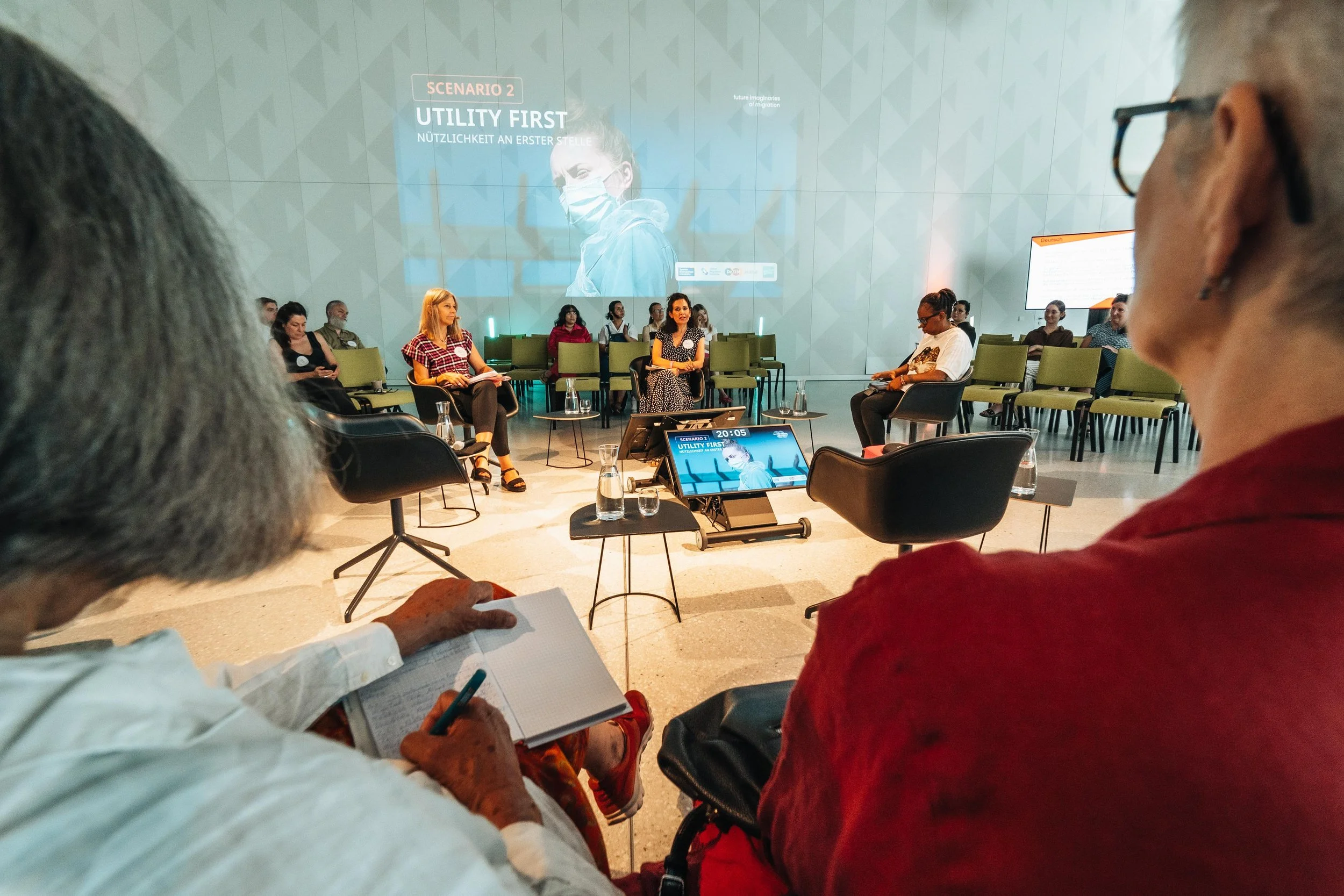
The working groups at the Future Lab Berlin used four different scenarios as a starting point, which were outlined and presented for discussion:
Automation Republic
By 2050, Germany undergoes a profound political and social transformation driven by automation, demographic aging, and institutional crisis.
Automation reduces labor demand faster than the population ages. AI-managed healthcare systems, robotic logistics, autonomous public transport, and semi-automated eldercare lower the number of workers needed to sustain the economy. Although some human-centered professions remain important, overall employment opportunities shrink sharply. Unlike earlier technological revolutions, these productivity gains create few replacement jobs. Millions of Germans experience downward mobility and long-term underemployment.
This produces a severe political backlash. Large parts of the population increasingly view globalization, migration, and liberal democracy itself as systems built for a world that no longer exists. Economic insecurity combines with cultural pessimism and demographic anxiety. Many Germans come to believe that immigration is no longer economically necessary and instead increases pressure on housing, welfare systems, and social cohesion during a period of declining opportunities.
Throughout the 2030s, trust in mainstream political parties collapses. Coalition governments appear unable to manage economic restructuring, pension pressures, and social fragmentation. Traditional left-right politics weaken and are replaced by a divide between defenders of the liberal order and movements demanding stronger state authority, national consolidation, and cultural homogeneity. Far right and populist parties win most of the elections. A relatively small technological elite oversees highly productive automated industries, while a growing share of the population depends on state support, limited service work, or publicly managed employment programs.
By the early 2040s, Germany undergoes what later becomes known as the “Constitutional Transition.” Elections and parliament formally remain, but liberal democracy in its postwar form largely ends. Executive power becomes more centralized, digital surveillance expands, and tighter controls are placed on media, protest movements, and civil society organizations. The government justifies these measures as necessary to preserve stability during technological disruption and demographic decline.
Aging remains one of the defining realities of the country. Large rural regions continue to shrink, with some towns functioning almost entirely as retirement communities supported by automated services.
Younger generations face limited career prospects and lower expectations than their parents despite living in a technologically advanced society with high material productivity. Germany responds to severe demographic aging with an increasingly interventionist population policy.
Governments introduce extensive fertility programs combining financial incentives and growing social pressure to encourage higher birth rates. Parenthood is increasingly framed as a civic responsibility necessary for maintaining the welfare state and social stability. Meanwhile, the healthcare system undergoes controversial reforms as rising costs force the state to limit expensive life-extending treatments for the very old and chronically ill.
Immigration policy changes fundamentally. Together with most other EU countries Germany officially abandons the right to asylum and manages to almost completely seal the external borders.
Because automation reduces demand for low- and middle-skilled labor, migration declines significantly compared to previous decades. A limited number of highly skilled migrants are admitted every year. Existing migrant communities remain part of German society, but social tensions increase as assimilation pressures harden.
As an increasing number of people start leaving Germany which the government tries to stop without success, the government adjusts its immigration policy and launches a “rejuvenation migration” strategy focused on attracting young adults, adolescents, and young families from abroad. Immigration policy prioritizes younger migrants through accelerated residency, educational access, and settlement programs aimed at stabilizing the country’s aging population.
Utility First
By 2050, Germany is one of the oldest societies in the world. Unlike earlier predictions, automation and artificial intelligence has transformed the economy only gradually.
Many administrative and industrial processes have become more efficient, but technology fails to eliminate the need for large numbers of human workers. As the German population ages and domestic labor shortages intensify, the country becomes structurally more and more dependent on large-scale immigration.
By mid-century, nearly one-third of Germany’s population is over sixty-five. Retirement homes, hospitals, and home-care systems operate under constant pressure. The care sector becomes one of the largest parts of the economy, employing almost 3 million in nursing, rehabilitation, assisted living, and social support services. Severe shortages emerge in other sectors as well. Germany no longer debates whether immigration is necessary, but how much of it can be politically and socially managed.
This dependence on migrant labor reshapes both domestic politics and Germany’s role in the world. Throughout the 2030s and 2040s, the German government builds extensive recruitment systems targeting workers from outside Europe with bilateral labor agreements (e.g. India, Nigeria, Kenya, Philippines, Vietnam). German agencies actively recruit nurses, caregivers, technicians, drivers, and skilled workers abroad, offering intense predeparture training and guaranteed employment contracts. Germany expands temporary and sector-specific work visa programs while restricting access to permanent residency and full citizenship rights. Many migrants spend many years working in Germany without receiving the same political and social rights as citizens. Access to welfare benefits, family reunification, and long-term settlement remains conditional on employment status and economic contribution.
At the same time, Germany faces growing international competition for migrant labor. Other aging societies compete aggressively for the same workers. Skilled migrants increasingly choose destinations strategically, comparing wages, legal status, and pathways to citizenship. Migration becomes a global labor market shaped by demographic competition between aging economies. Specific tax regimes and other benefits for migrants create social tensions. Refugees are still admitted, but asylum policy increasingly prioritizes young, healthy, and employable applicants who are expected to enter the labor market immediately upon arrival, and they also have to perform unpaid labor during the asylum procedure.
The retirement age is gradually raised to seventy, while working weeks become longer and vacation entitlements are reduced. At the same time, the public welfare system is significantly downsized. Birth rates remain persistently low, deepening the sense that Germany is struggling to maintain its population and economic capacity through ever more intensive use of both domestic and migrant labor.
Inside Germany, political conflict around migration remains intense despite the economy’s dependence on foreign labor. Business organizations, hospitals, and regional governments repeatedly warn that without continued immigration essential systems will collapse. At the same time, many citizens perceive ongoing migration as a threat to cultural cohesion, housing affordability, and social trust. Political parties across the spectrum adopt increasingly utilitarian language, framing migrants primarily through their economic benefit rather than as future members of society.
Large cities such as Berlin, Frankfurt, and Hamburg become highly internationalized labor hubs, while many rural regions survive only because migrant workers sustain hospitals, transport systems, and eldercare facilities. Some shrinking towns actively recruit foreign workers to prevent local collapse.
By 2050, Germany remains prosperous and relatively politically stable, but it is increasingly defined by a contradiction at the center of aging societies: the country cannot function without large-scale immigration, yet it struggles to fully accept migrants as equal members of the political community.
Radical Inclusivity
By 2050, Germany is one of the world’s oldest societies, but also one of the most politically stable and socially inclusive.
Aging remains a defining reality: low birth rates and rising life expectancy mean that nearly one-third of the population is over sixty-five.
Although automation and artificial intelligence increase productivity, technology never fully replaces the need for human labor, especially in care work, education, construction, logistics, and social services. Like many advanced economies, Germany depends heavily on immigration to sustain both its economy and welfare state.
After decades of polarization, the crises of the 2020s and 2030s gradually have produced a broad political consensus that a new social model is needed. At the same time, repeated humanitarian disasters at Europe’s borders have created growing public support for a migration system grounded in human rights and international responsibility.
Politically, far-right parties lose influence. During their time of government in the 2030s most people have understood that far-right parties have nothing to offer that improves living conditions. Public debate shifts away from whether migration should happen toward how democratic societies can manage it fairly and sustainably. Demographic realities make the economic necessity of migration increasingly obvious, successful integration reduces fears of social collapse, and younger generations grow up in a more multicultural society.
During the 2030s and 2040s, Germany fundamentally reforms its immigration system. Instead of treating refugees and migrants primarily as temporary labor inputs or security threats, the state increasingly approaches integration as a long-term social investment. New arrivals – regardless of their status – receive immediate access to free or affordable language education, healthcare, housing assistance, childcare, and vocational training. Qualifications obtained abroad are recognized much faster, and local integration centers coordinate employment, education, and legal support in a highly efficient system.
As a result, Germany develops the world’s most comprehensive integration infrastructure. Municipal governments, employers, unions, schools, and civil society organizations cooperate closely to support settlement and participation. Integration policy focuses not only on labor market access, but also on political inclusion, cultural participation, and equal rights. Pathways to permanent residency and citizenship become significantly easier and faster than in most other countries. By the late 2040s, migrants are fully represented throughout public life, including in politics, universities, media and public administration.
At the same time, Germany remains deeply integrated into a broader system of international cooperation. The European Union evolves into a more coordinated political actor with common asylum standards, shared migration management systems, and large-scale investment partnerships with countries in Africa and Asia. International agreements regulate labor mobility more transparently, reducing exploitation and irregular migration networks. Global competition for migrant labor still intensifies as aging societies around the world seek workers. Germany succeeds not primarily because it offers the highest salaries, but because it becomes known internationally for social mobility, family reunification rights, and relatively inclusive citizenship policies. For many migrants and refugees, Germany represents not only economic opportunity but the realistic possibility of belonging and long-term stability.
By the 2040s, Germany also fundamentally restructures its welfare state through the creation of a universal “citizens’ insurance” system. All forms of income, including capital gains and large private fortunes are integrated into its financing and the long-term sustainability of pensions, healthcare, and social services is achieved. Technological progress and the use of AI also adds to this. The resulting stabilization of social security reduces economic stress and improves public health outcomes. Combined with better childcare, housing support, and work-life balance policies, these reforms also contribute to a modest rise in fertility rates for the first time in decades.
Beyond Growth
By 2050, Germany is one of the first advanced economies to consciously move beyond the traditional growth-driven economic model.
Faced with demographic aging, ecological pressures, labor and raw material shortages during the 2020s and 2030s, Germany gradually has abandoned the assumption that economic success requires continuously expanding production and consumption.
The transition begins during the mid-2030s, when policymakers recognize that demographic aging will permanently shrink the working-age population and Gen-Z labor force. Germans started to increasingly reject the high-pressure work culture of earlier decades. Burnout, housing stress, ecological concerns, and dissatisfaction with hypercompetitive labor markets have created growing support for a different economic model centered on time, stability, and social well-being.
Automation and artificial intelligence play an important role. Technological productivity gains are used politically to reduce working hours rather than eliminate workers outright. Successive governments encourage companies to distribute productivity increases through shorter workweeks and more flexible lifetime employment models. By the 2040s, the standard full-time workweek gradually falls to around twenty-five to thirty hours in many sectors.
At the same time, Germany deliberately restructures parts of its economy away from labor-intensive growth sectors. Policies discourage forms of production considered environmentally destructive, socially unnecessary, or dependent on constant consumption expansion. This transformation significantly reduces total labor demand. Although many sectors still face shortages, especially healthcare, education, infrastructure maintenance, and eldercare, Germany no longer attempts to maximize labor-force participation across the entire population. The country accepts slower economic growth and lower consumption levels in exchange for greater social stability and reduced pressure on workers.
Demographic aging is and remains one of the central realities of society. By 2050, nearly one-third of Germans are already over sixty-five, and the economy increasingly revolves around healthcare, rehabilitation, assisted living, and age-related services. However, because overall labor demand declines, the political pressure for very large-scale immigration becomes less intense than many earlier forecasts predict. Migration nevertheless remains important. Germany still recruits workers from abroad, particularly in nursing, medicine, engineering, and skilled trades, but immigration policy becomes more selective and socially integration-focused rather than purely growth-oriented.
Politically, this shift produces a major cultural transformation. Traditional ideas equating social value with full-time employment weaken considerably. Working less becomes socially normalized across much of the middle class, and leisure time gains higher cultural status. Early retirement or temporary exits from the labor market become common and socially accepted.
Cities also change physically and economically. Instead of prioritizing commercial expansion and constant development, urban planning focuses on accessibility, public transport, green spaces, healthcare infrastructure, and intergenerational living. Many smaller towns stabilize as remote and part-time work reduces pressure toward metropolitan concentration. As a result, fertility levels start to increase for the first time since the 1970s.
This new model is not without tensions. Younger generations sometimes feel burdened by financing large pension and healthcare systems for an aging population. Certain industries warn that reduced working hours harm competitiveness against faster-growing economies. Yet supporters claim the country successfully avoids many of the crises affecting other advanced economies: extreme inequality, political radicalization, mass burnout, ecological breakdown, and social fragmentation.
By 2050, Germany is therefore not a society of abundance driven by automation alone, nor a society in decline, but a deliberately slower and more mature economy. Its defining political choice is not how to maximize growth, but how to organize stability and dignity in an aging society where continuous expansion is no longer considered either realistic or desirable.
LESSONS LEARNED & OUTLOOK
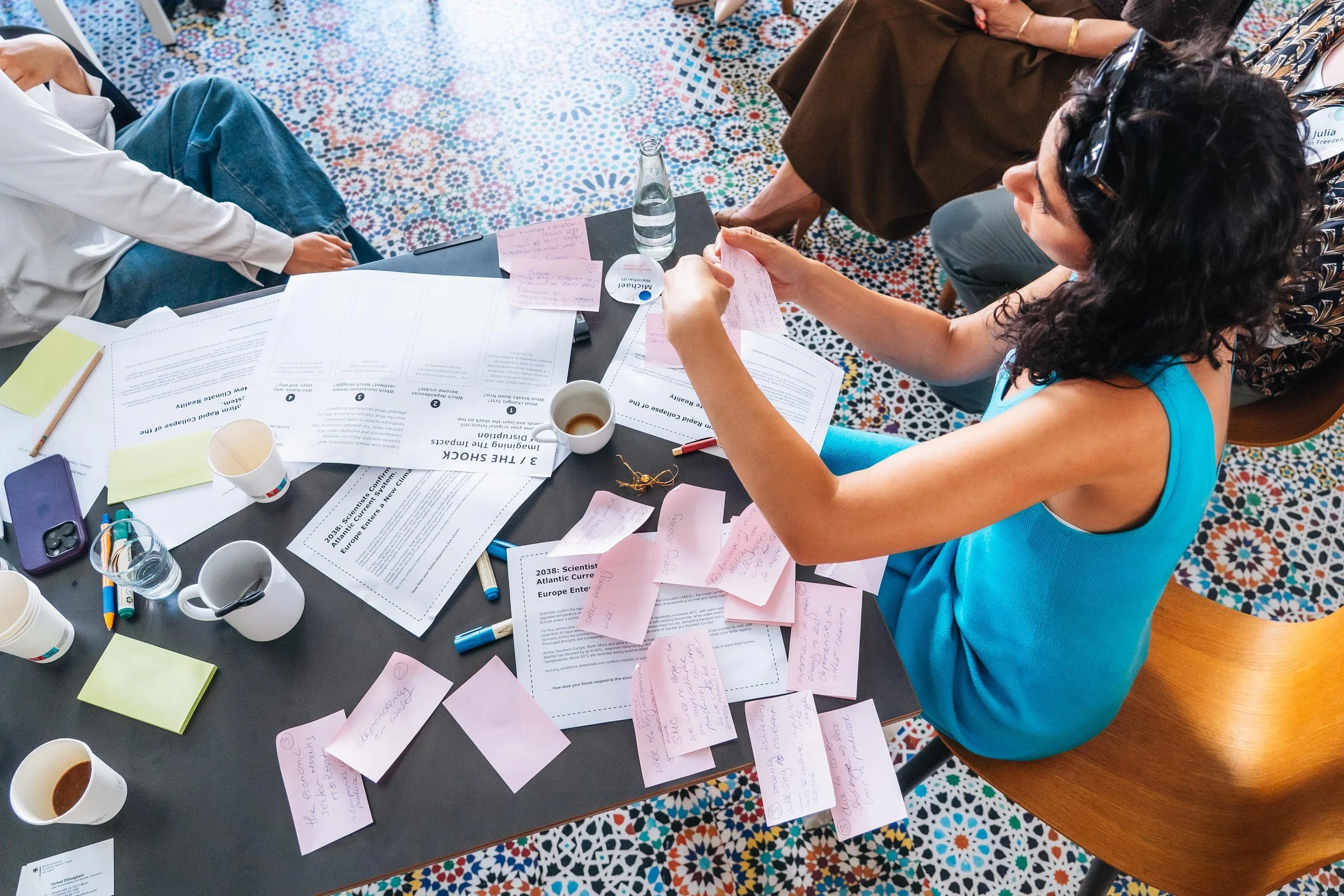
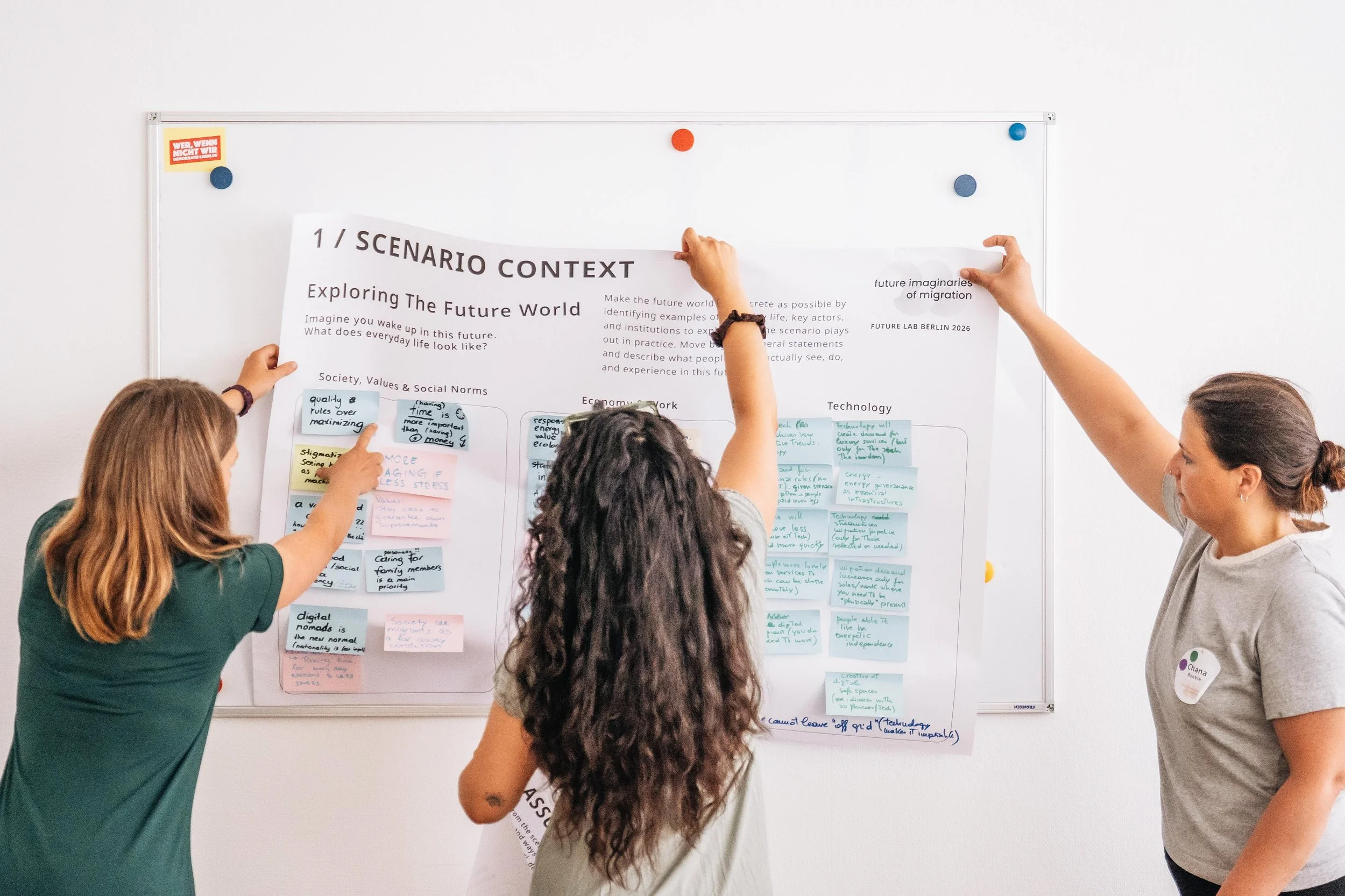
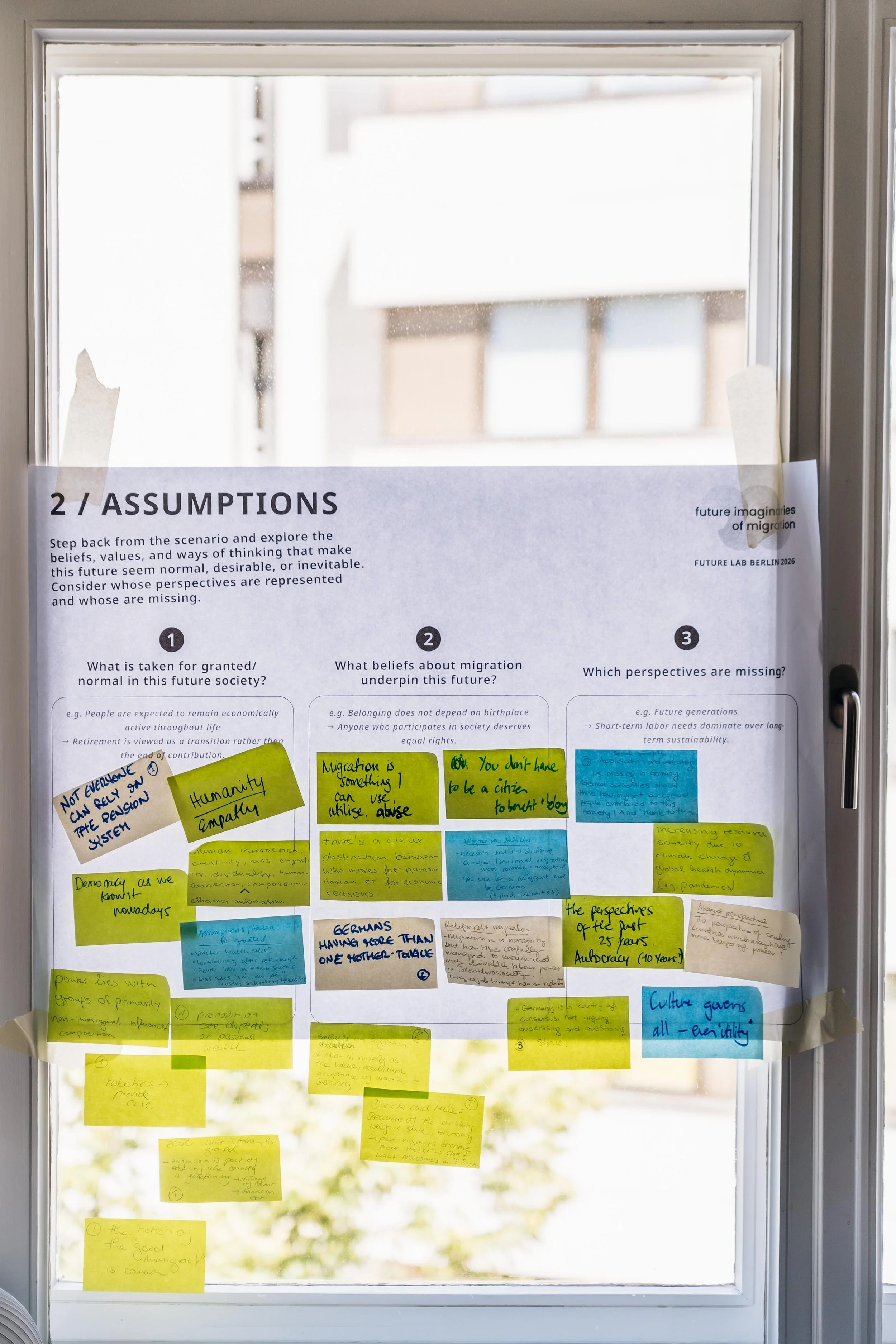
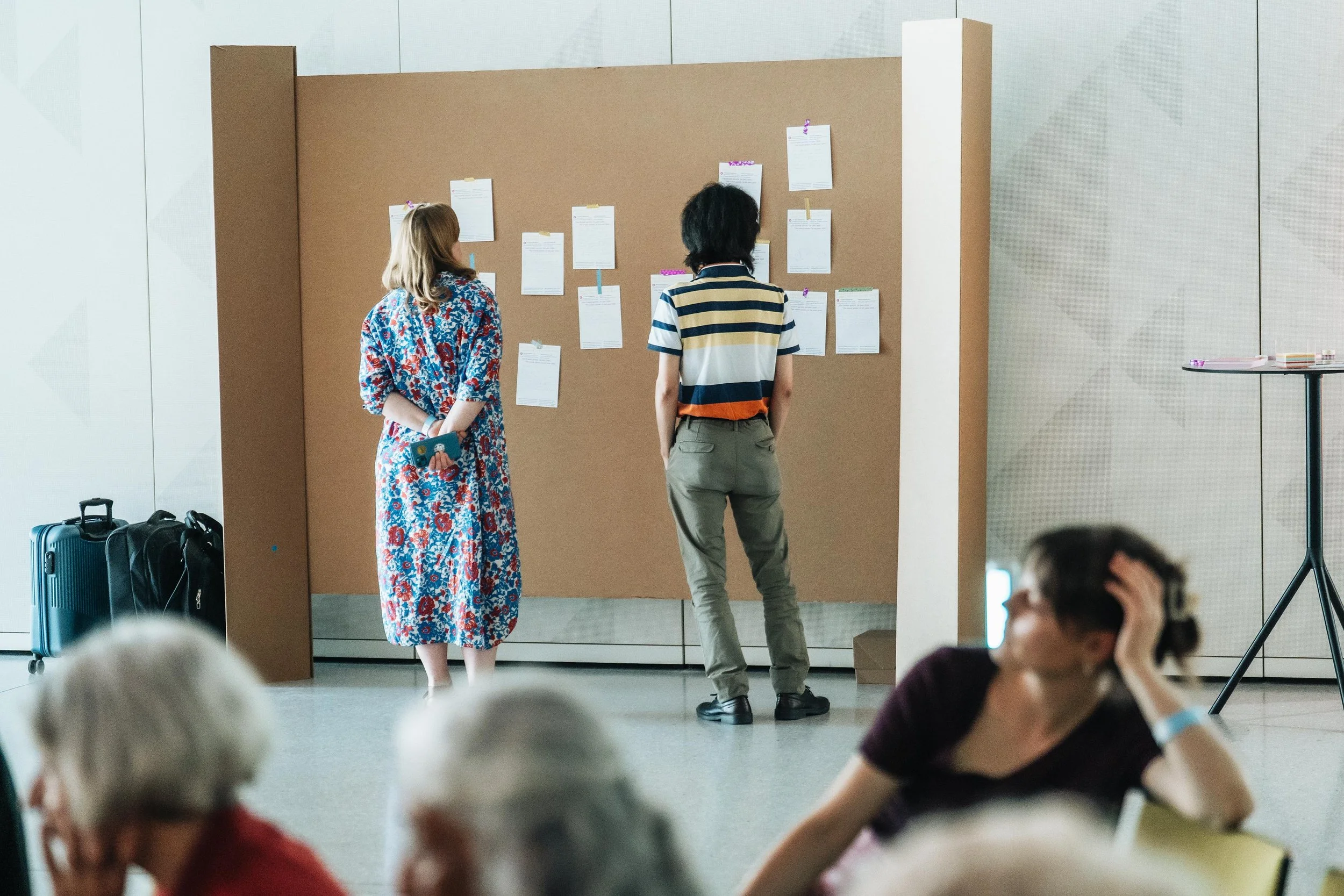
Discussion points, ideas and results from the four scenario working groups in Berlin were documented by the Future Lab participants.
For more detailed insights an internal report is available upon request.
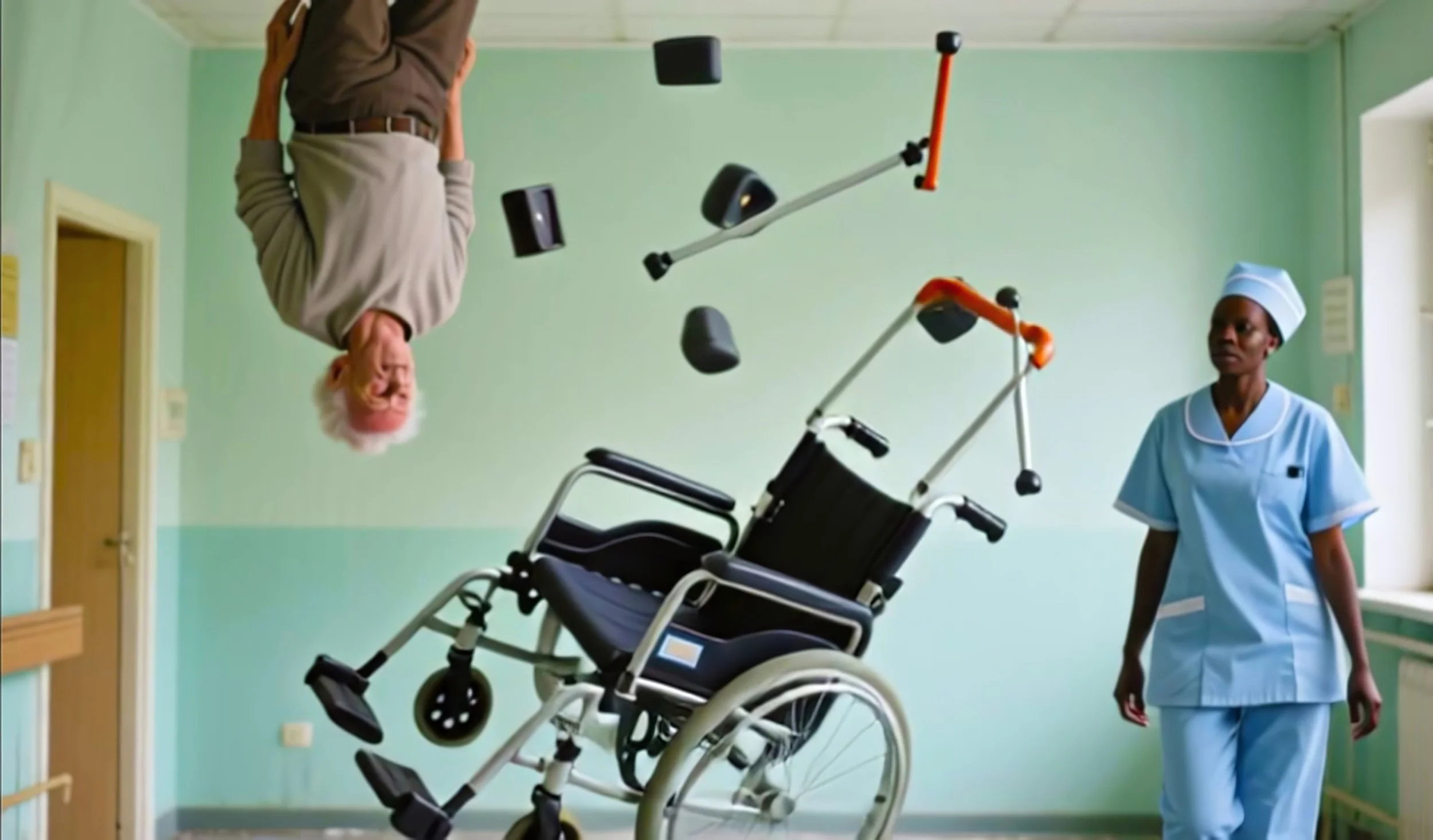
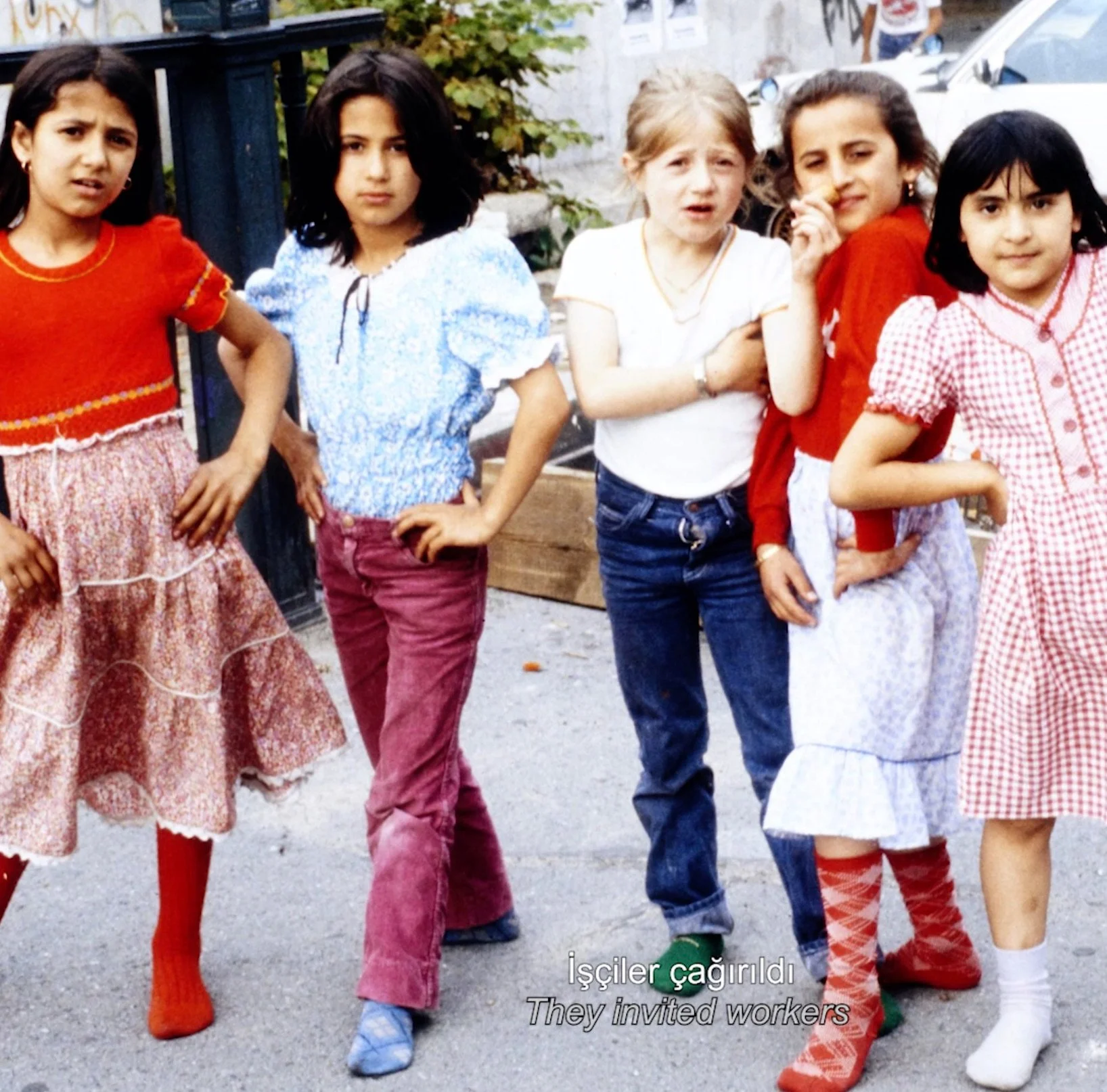
Explore related artworks, texts, and interviews from Future Lab participants

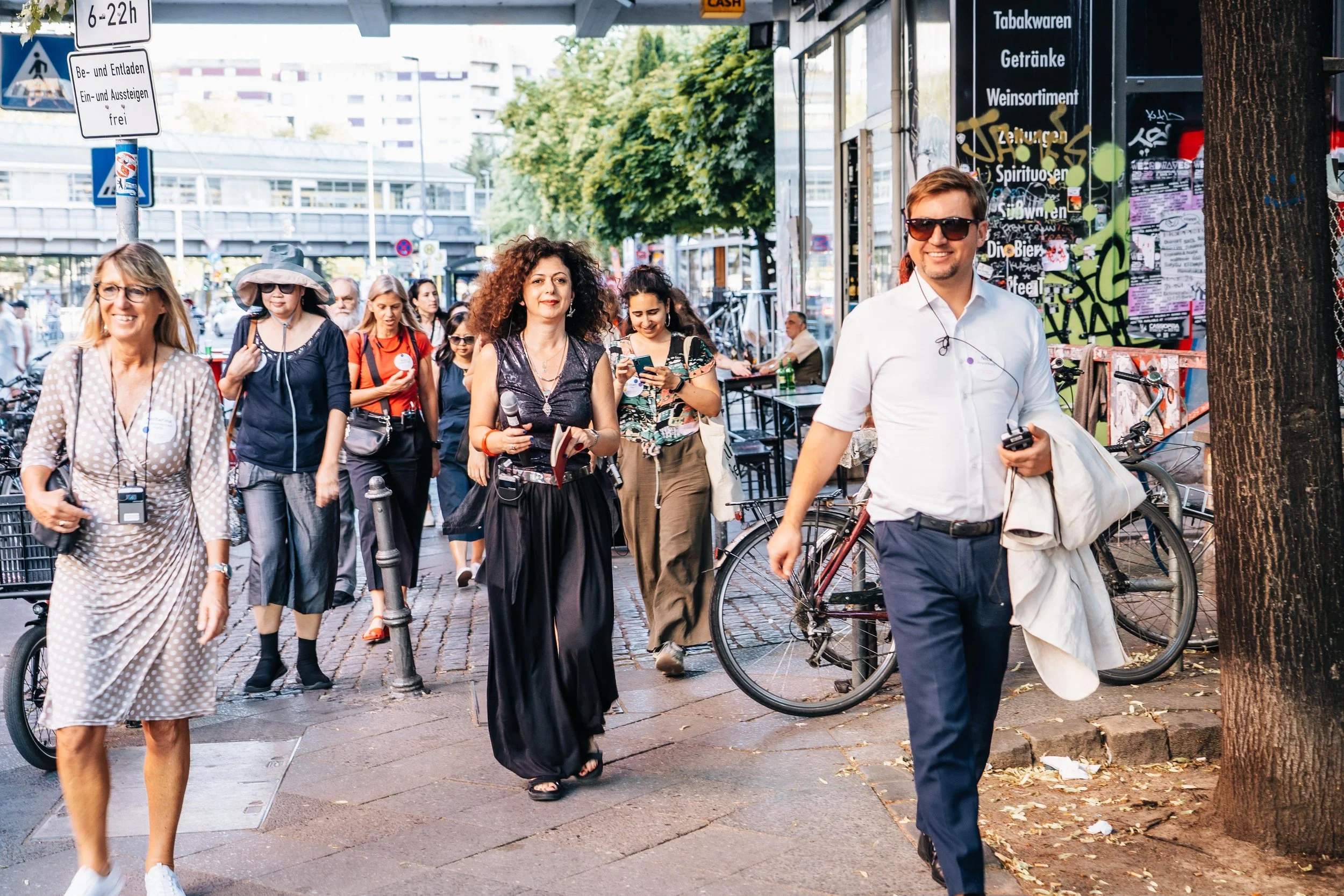
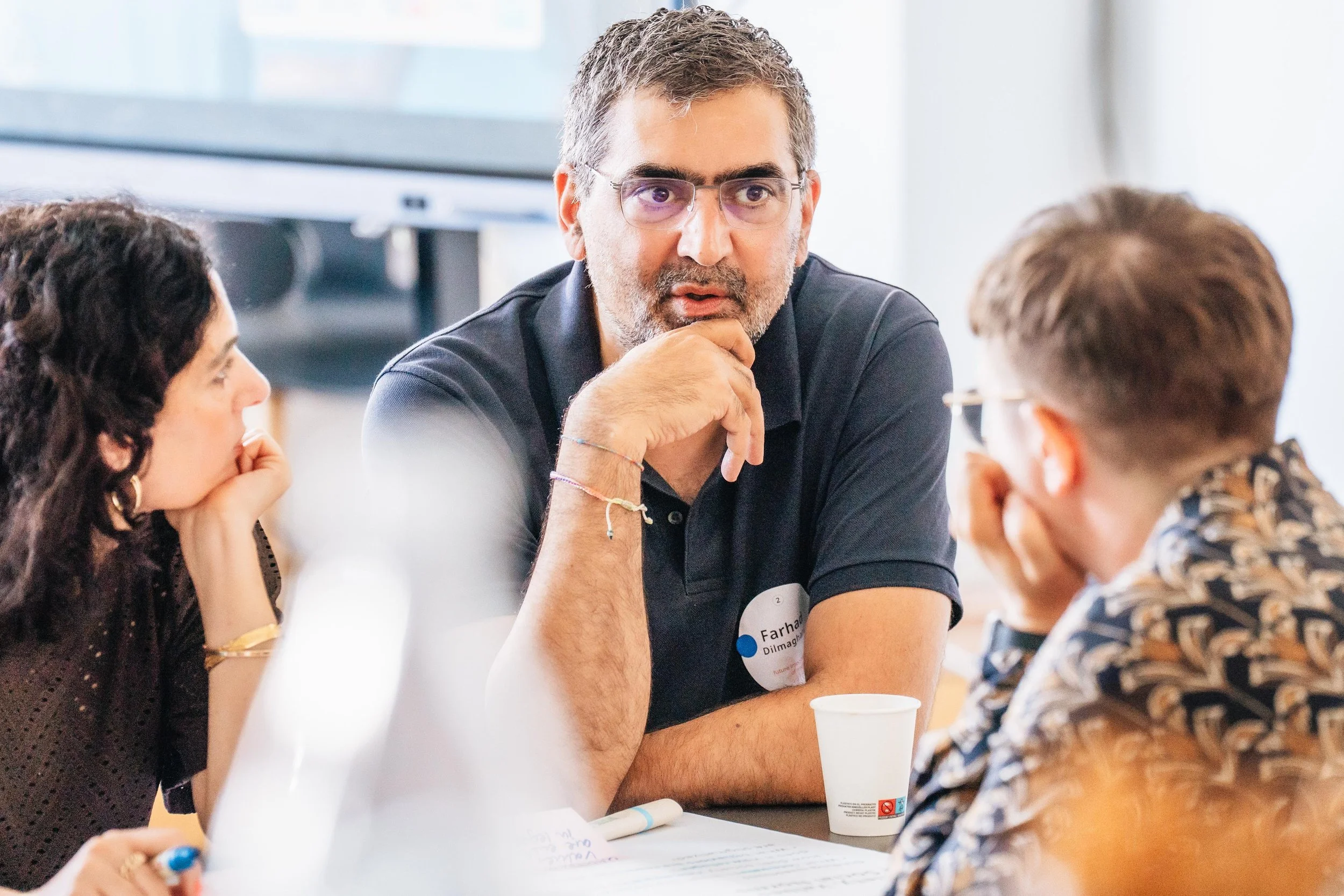
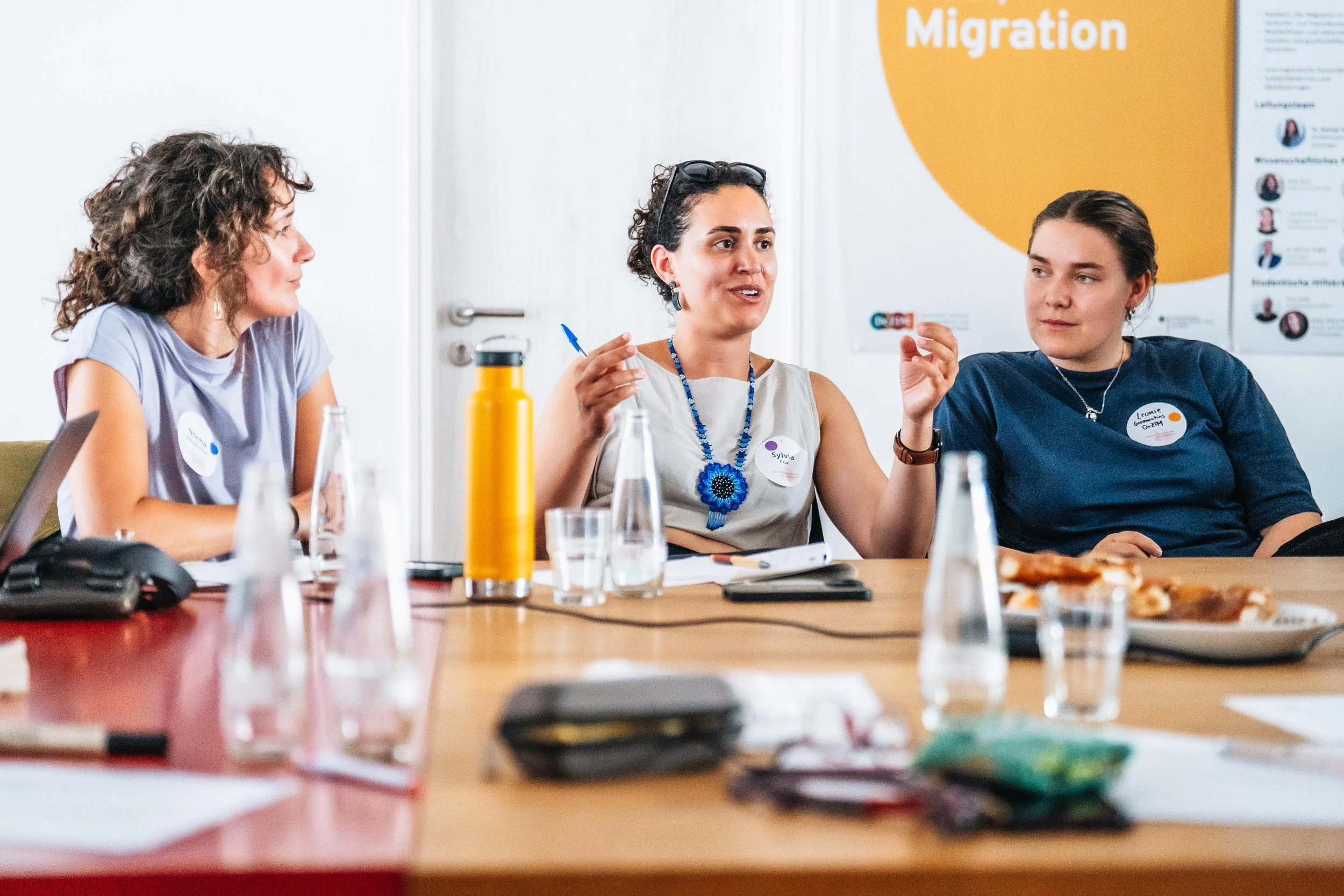
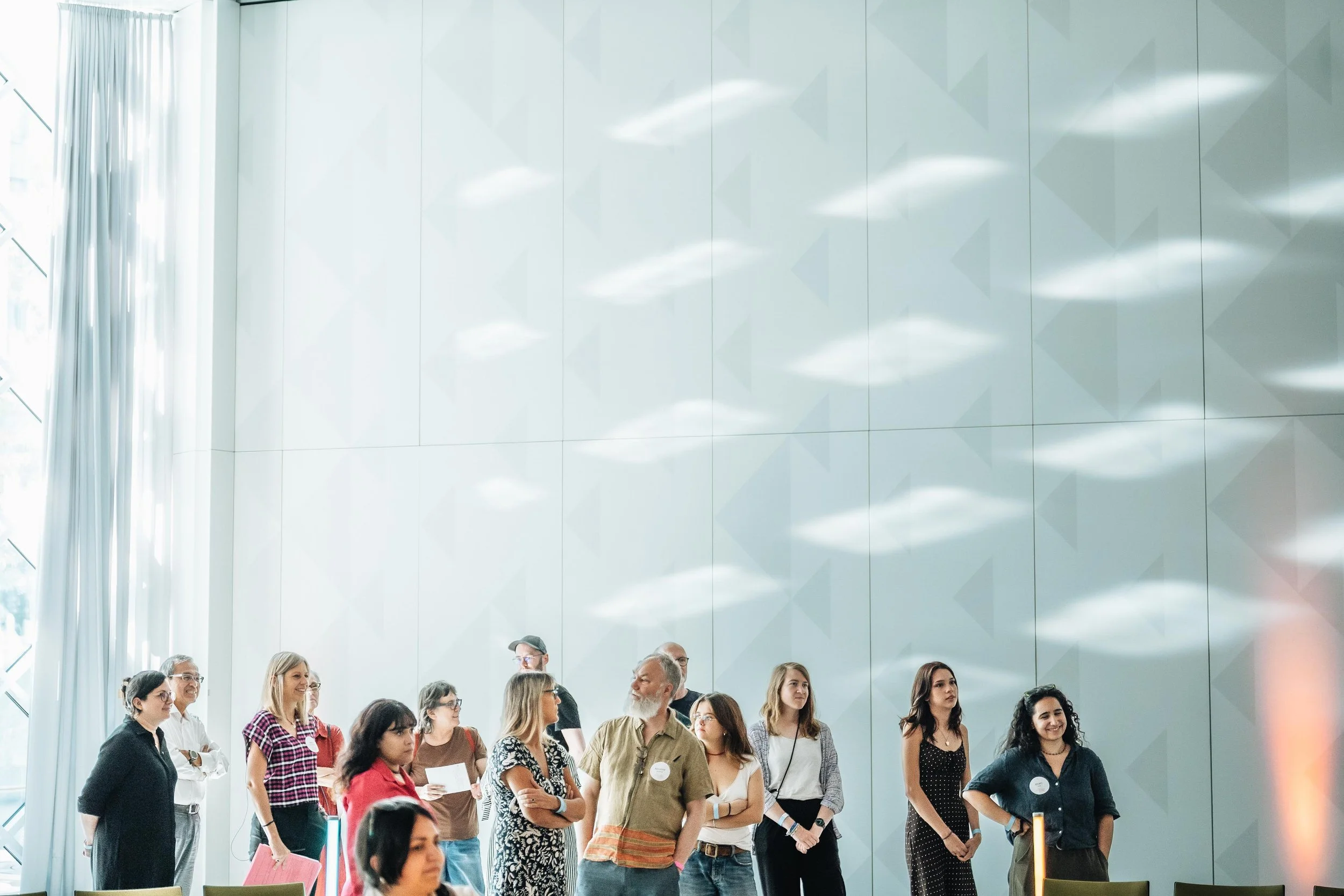
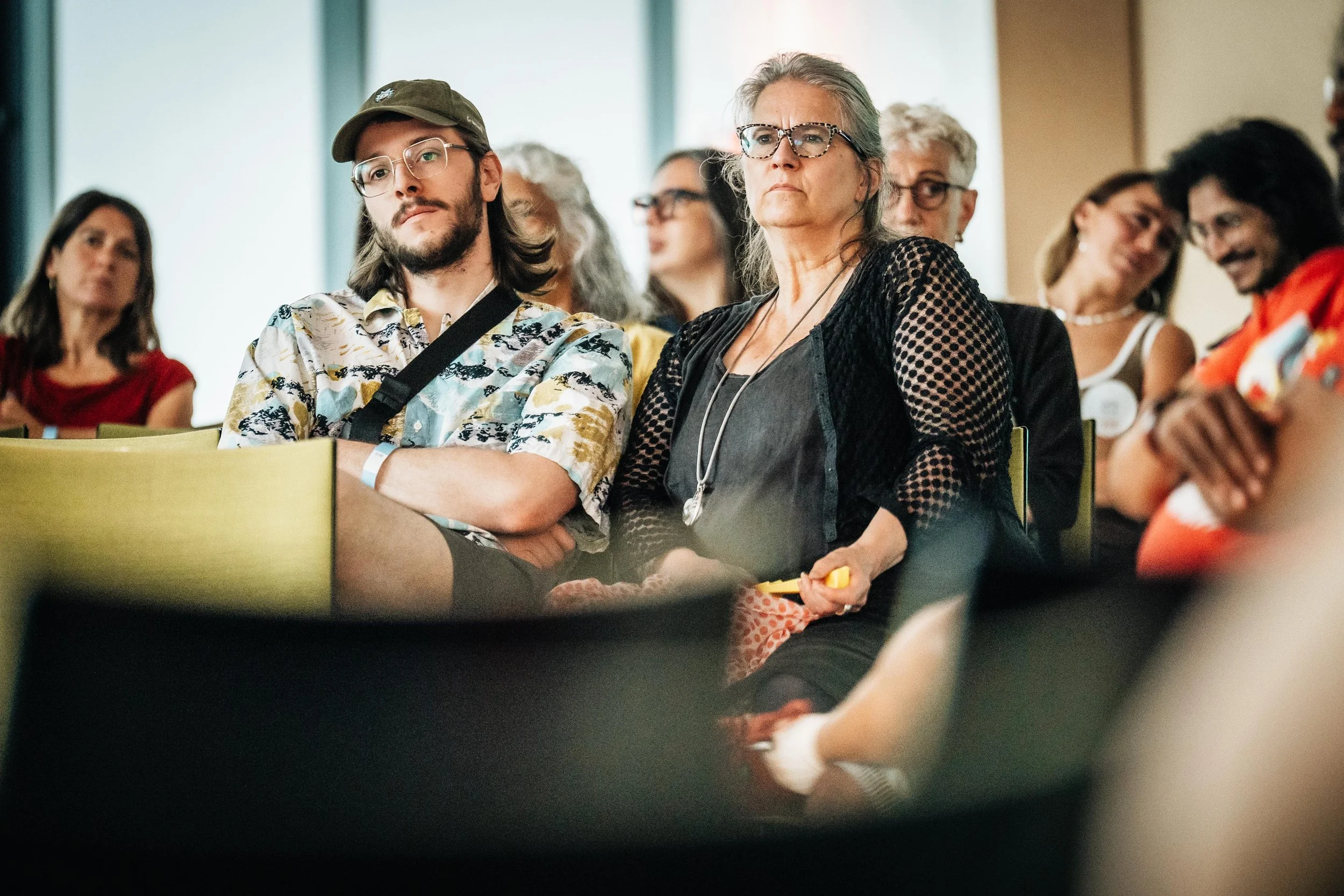
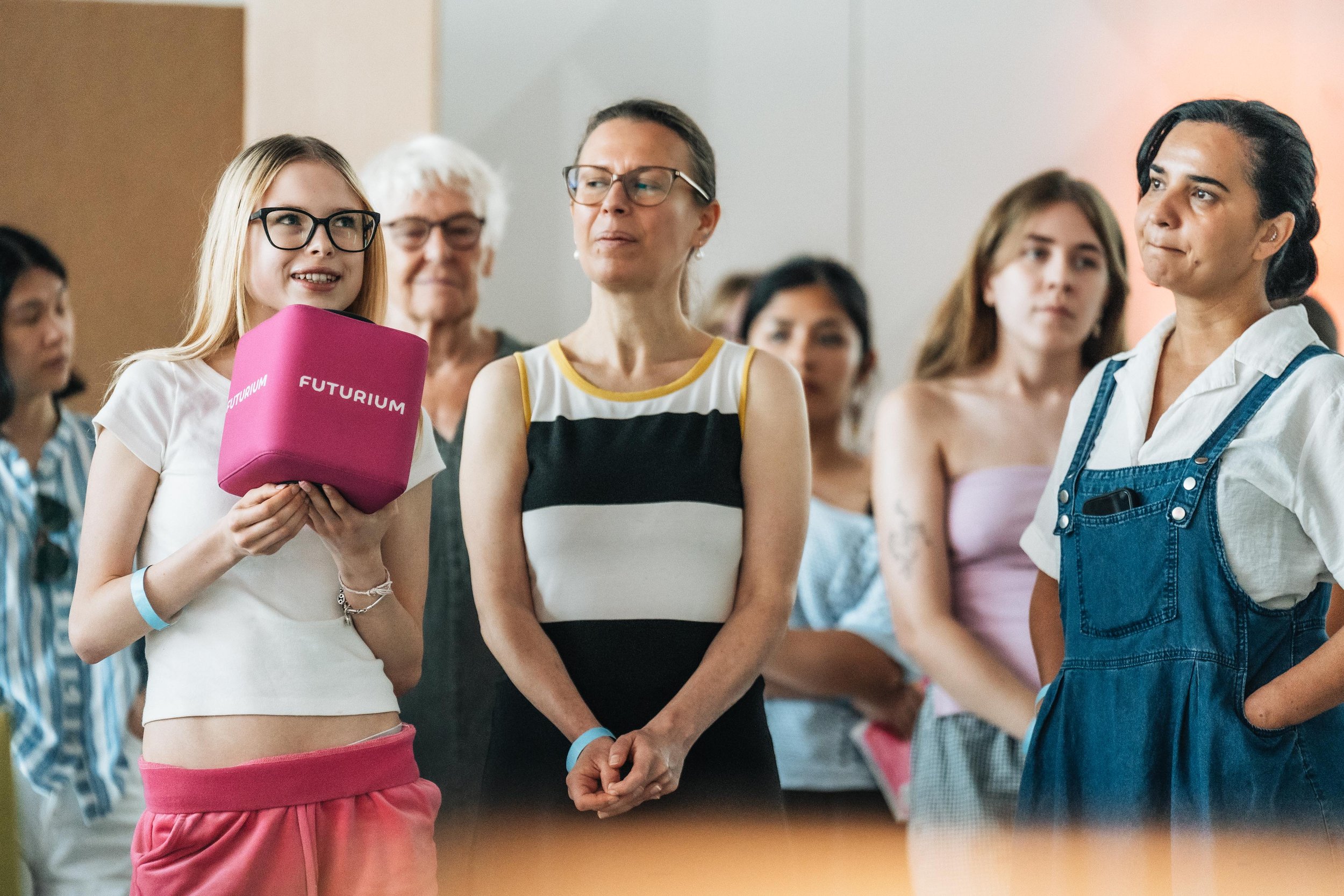
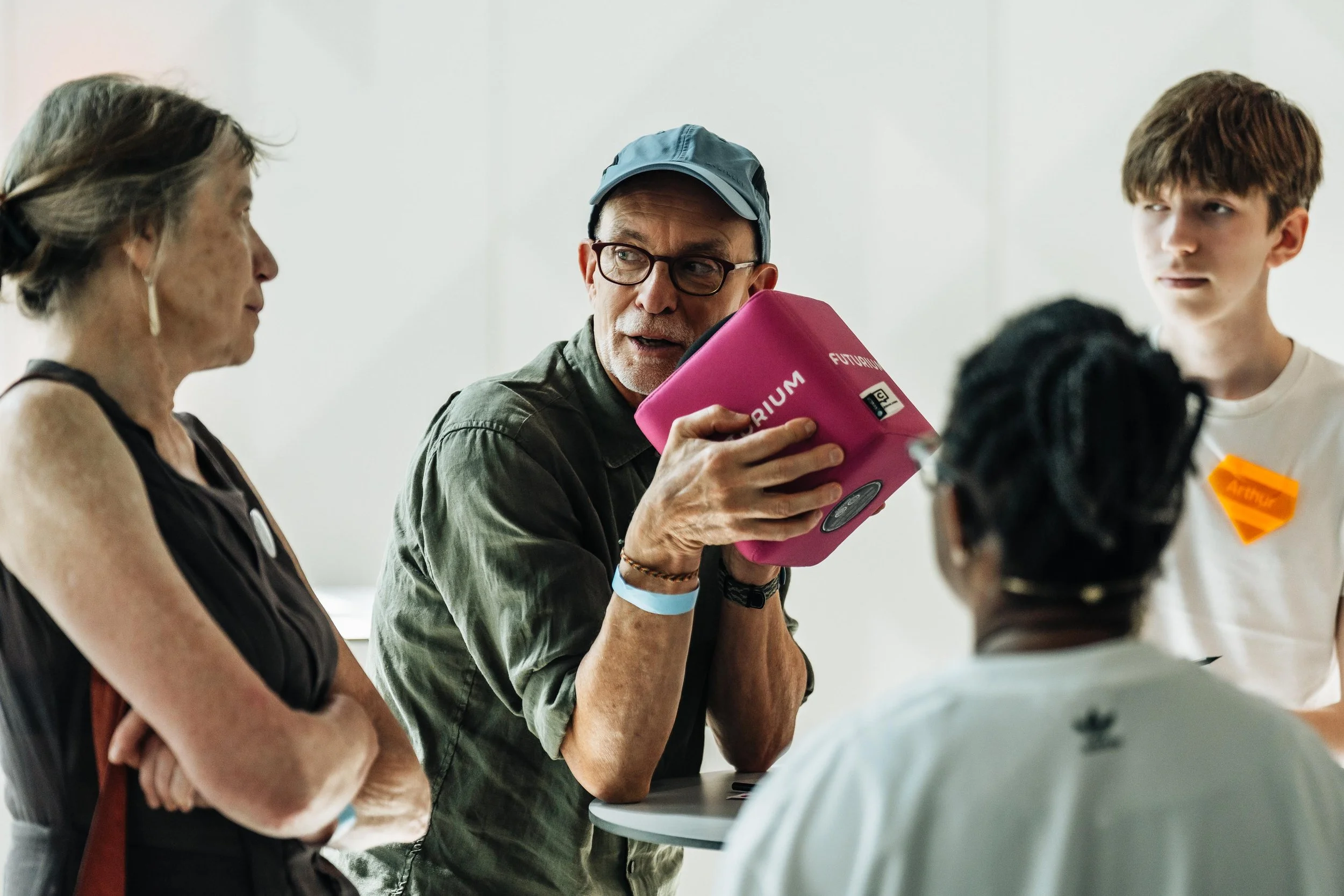
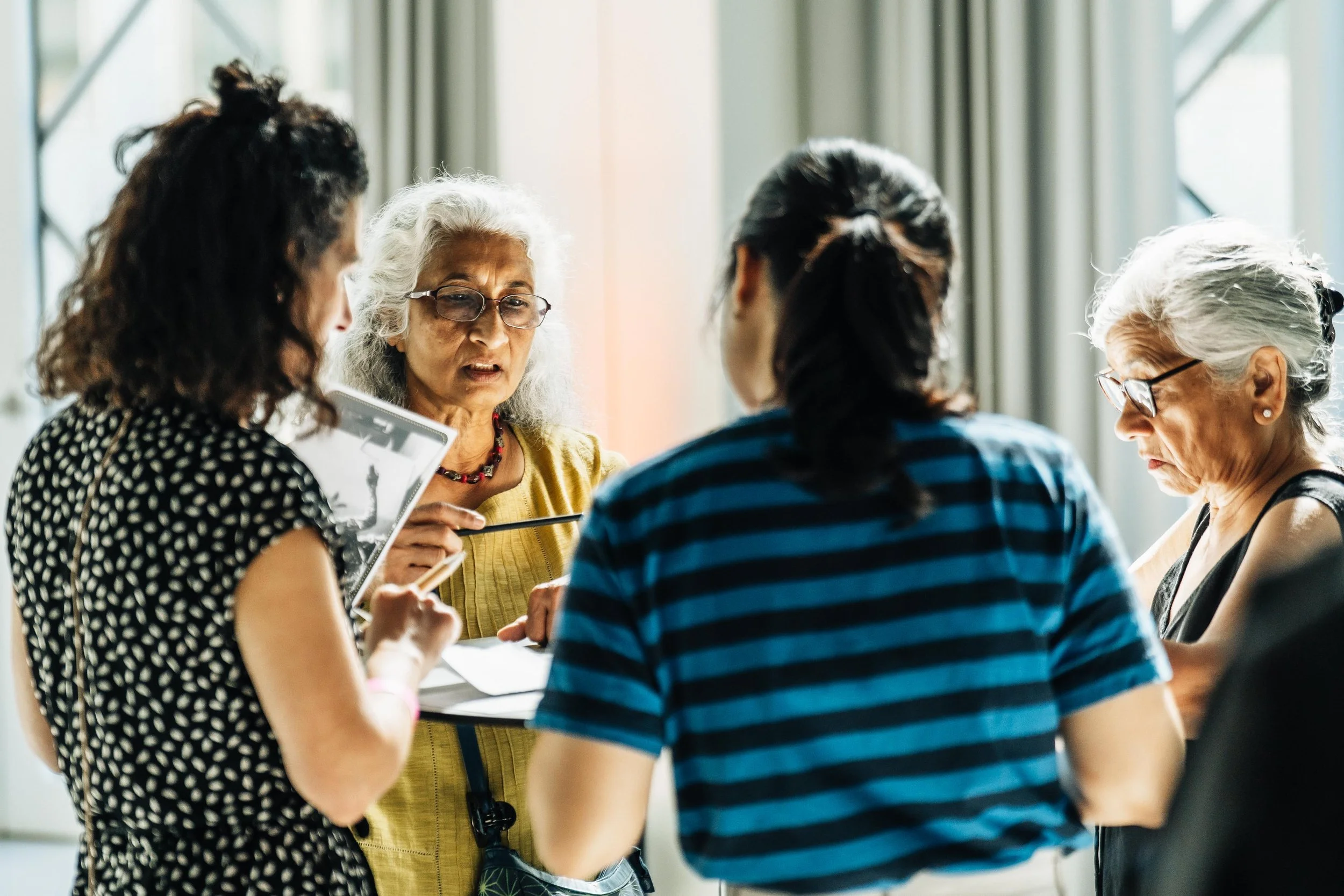
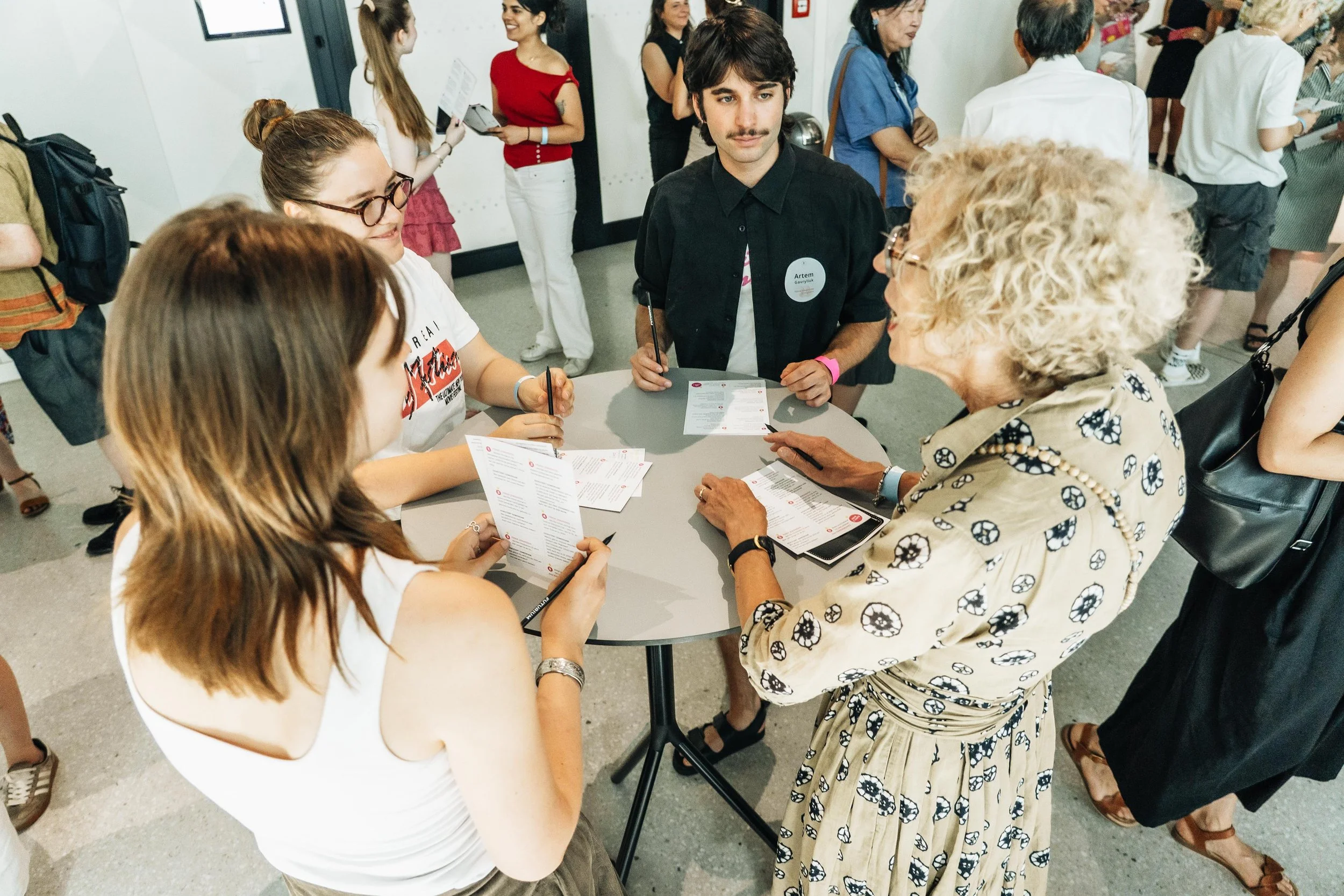
A Look Behind the Scenes: Our First Future Lab in Berlin
Photographer: Niklas Hlawatsch / Fuchs Teufel Bild