
PEOPLE
Creating new future imaginaries
through collaboration between
scholars, artists, politicians, migrants and citizens
The Future Imaginaries project is initiated, developed, and designed by a diverse group of people who contribute their different forms of knowledge, imagination, questions, and possible answers to the development of future scenarios in the framework of participatory research.

The international and transdisciplinary core team currently consists of approximately 30 participants.
Future co-developers are joining the project on an ongoing basis.
-
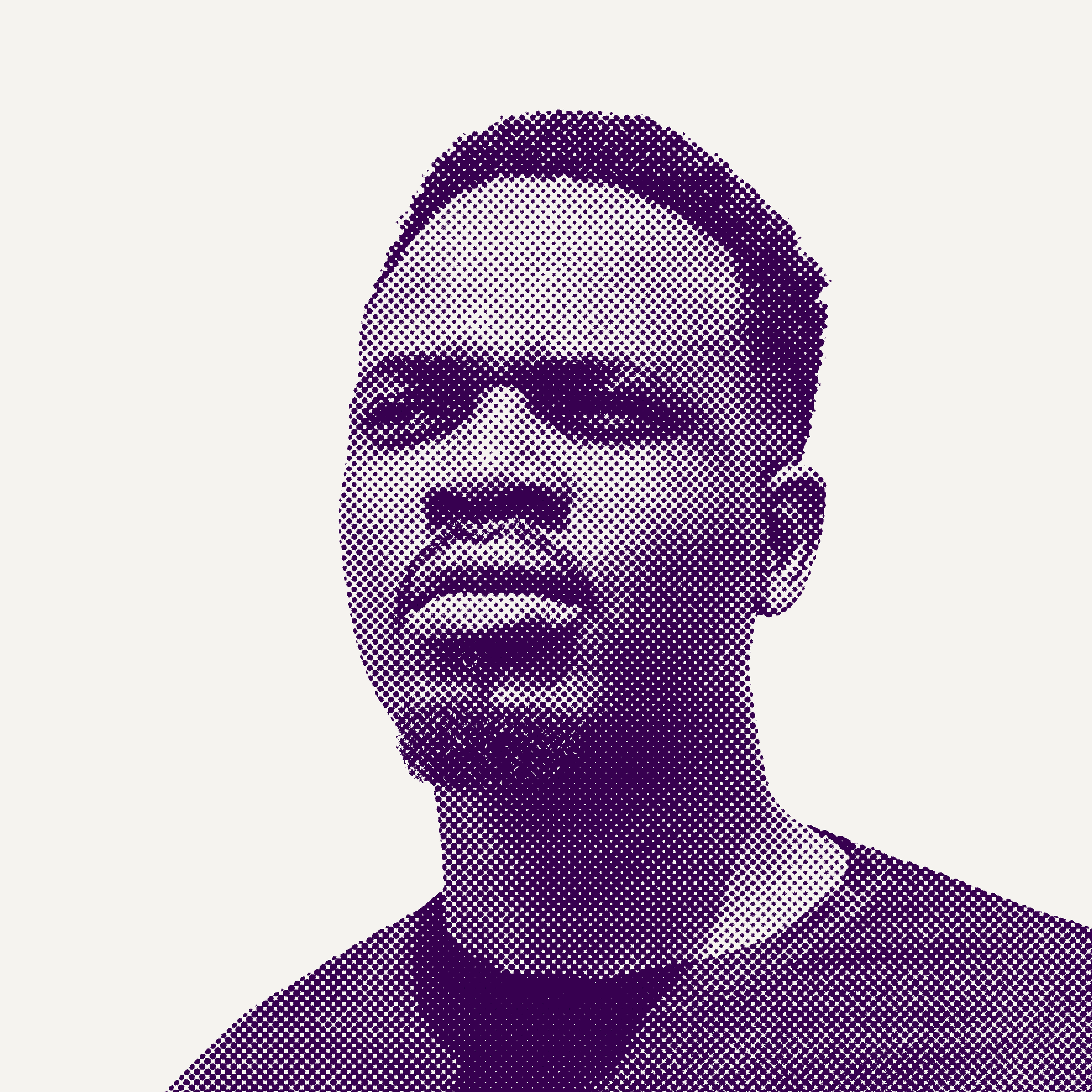
Dela Anyah
ART
RESEARCHAfrobutylism Studio
Artist and Researcher
>>“My wish for the future? A more diverse world, a fusion of cultures and ideas and less segregation, where migrants become one with people without feeling like outsiders or labelled as such. Where knowledge isn't siloed by race, class but is shared interculturally and across nations.”
Dela Anyah is an artist and researcher based in Accra, Ghana, working across sculpture, installation, painting and works on paper. His practice is grounded in the contemporary history of the tyre industry: the global systems that sustain its trade and circulation, the labour networks and migration patterns that underpin it, and the waste those systems produce. His writing has appeared in Thresholds (MIT Press), Adjacent (NYU ITP), Log 66 and LIMN Magazine. He is a 2026 Building Beyond Fellow of the Prince Claus Fund, with works held in the Celine Art Project, Sir David Adjaye Collection, and Fischer Shull Collection.
-
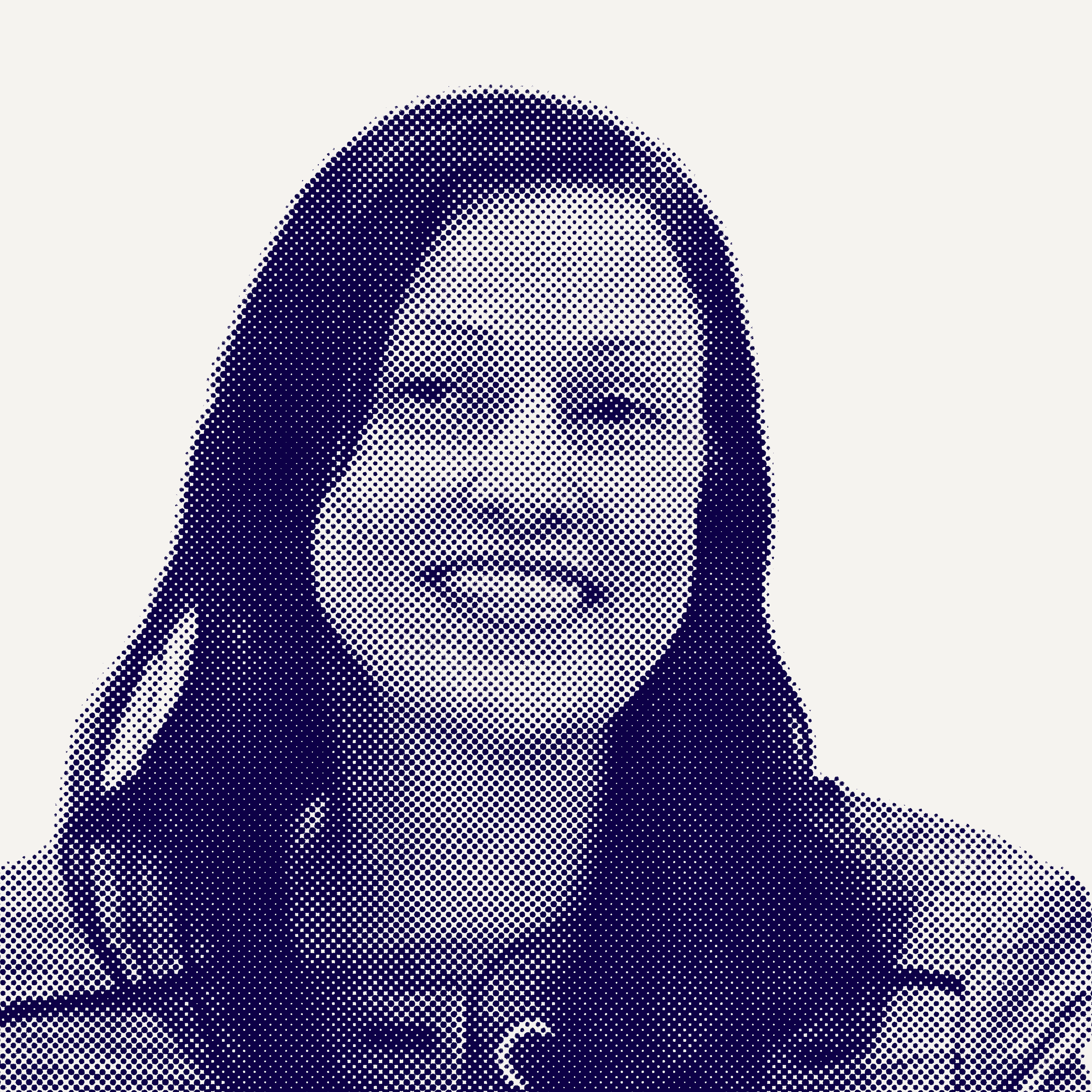
Ana Beduschi
RESEARCH
University of Exeter, Law School
International Humanitarian Law, Law and Technology, Migration
>>“If I could preserve one aspect of today’s world until 2050, it would be international legal frameworks such as refugee and human rights treaties. While not perfect, they set essential standards for protecting individuals.”
Ana Beduschi is a Full Professor of Law at the University of Exeter, Law School. Her work examines the interaction between law and digital technologies, with a focus on artificial intelligence, data protection, international human rights law, and privacy. Her recent publications address regulatory approaches to digital technologies, synthetic data, extended reality, digital identity, and the implications of artificial intelligence for migration management and humanitarian action.
Professor Beduschi holds a PhD in Law (2011) from the University of Montpellier 1, where she also completed an LLB (2003), an LLM in International and European Law (2004), and an LLM in European Human Rights Law (2005). She earned an additional LLB in Law from University of São Paulo State (UNESP) in Brazil (2000) and was admitted to the São Paulo Bar in 2001.
-
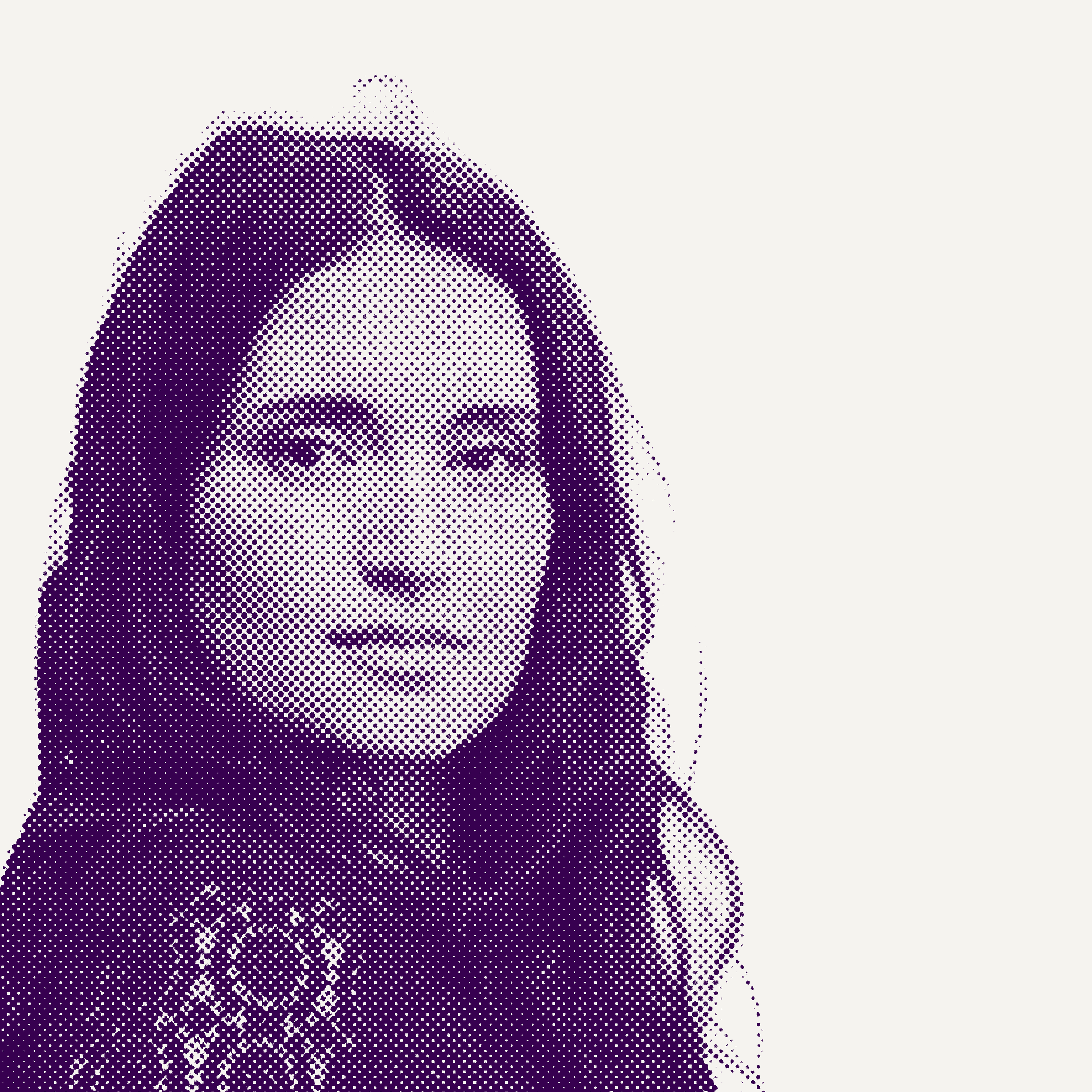
Cana Bili-Meier
ART
CIVIL SOCIETY
Artist, Filmmaker
>>“In my experience, migration means many things, both negative and positive. However, we should never forget the strength of imagination of the impossible - so it becomes reality one day. ”
Cana Bilir-Meier is a filmmaker and artist based in Munich (Germany). Her work engages with memory, migration, and cultural education through film, drawing, sound, and performance. She studied at the Academy of Fine Arts in Vienna and at Sabancı University in Istanbul. In 2018, she co-initiated the memorial project for Semra Ertan and in 2020 co-edited the poetry collection Semra Ertan: Mein Name ist Ausländer / Benim Adım Yabancı. In 2021, she was a visiting professor for art education at the Academy of Fine Arts in Munich.
-
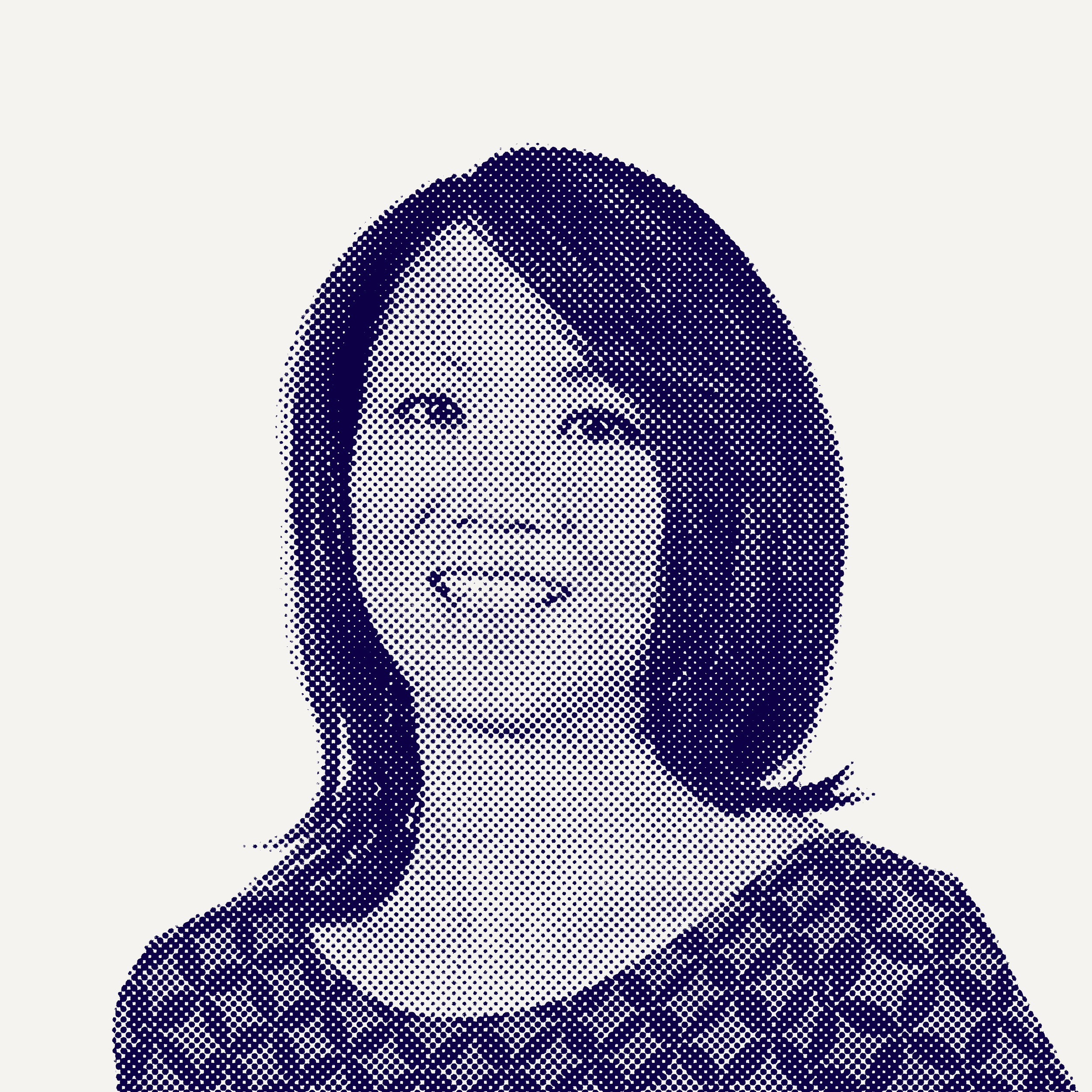
Anny Boc
RESEARCH
Deutsches Zentrum für Integrations- und Migrationsforschung Berlin
Political Science, International Relations
>>“What concerns me is the growing polarization of migration debates and the tendency to look for simple answers to complex challenges.”
Anny Boc is a policy advisor at the DeZIM Institute, working at the intersection of research and politics. She received her PhD in Chinese Studies and Political Science at Freie Universität Berlin. Her research interests include Chinese foreign policy, China-U.S. relations and disinformation. Before joining DeZIM, she worked in the German Bundestag.
-
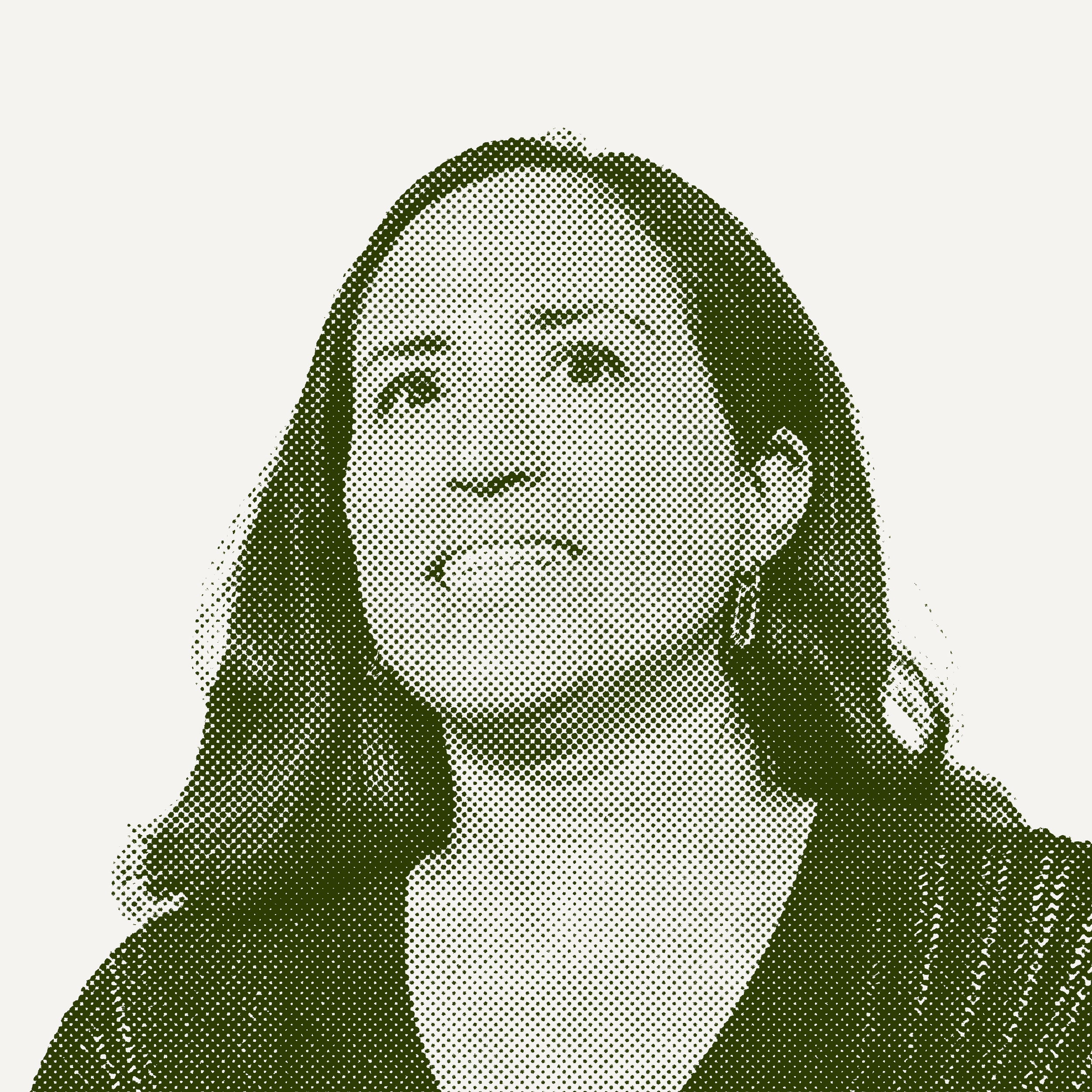
Sophie Burton
CIVIL SOCIETY
Migration Matters
International Education
>>“I wish for a future with an increased shared sense of humanity that shapes how we treat one another, as well as a greater awareness that our societies and challenges are fundamentally interconnected.”
Sophia Burton is Co-Founder and Managing Director of Migration Matters, a Berlin-based non-profit that translates migration research and lived experiences into accessible media, storytelling, and dialogue formats to help foster inclusive societies. For the past 15 years, she has worked at the intersection of education, research, and media, including in refugee online education and support for journalists on migration topics. She has developed and led international projects and networks spanning Europe, North America, Africa, and Asia, and currently facilitates the Community of Practice on Narrative Change in Migration supported by EPIM. Across these fields and audiences, she is driven by a commitment to creating learning and dialogue formats that spark new ways of thinking and foster spaces where people feel comfortable engaging and finding common ground. Sophia holds a Master’s in International Education Policy from Harvard University and is originally from Washington, DC.
-
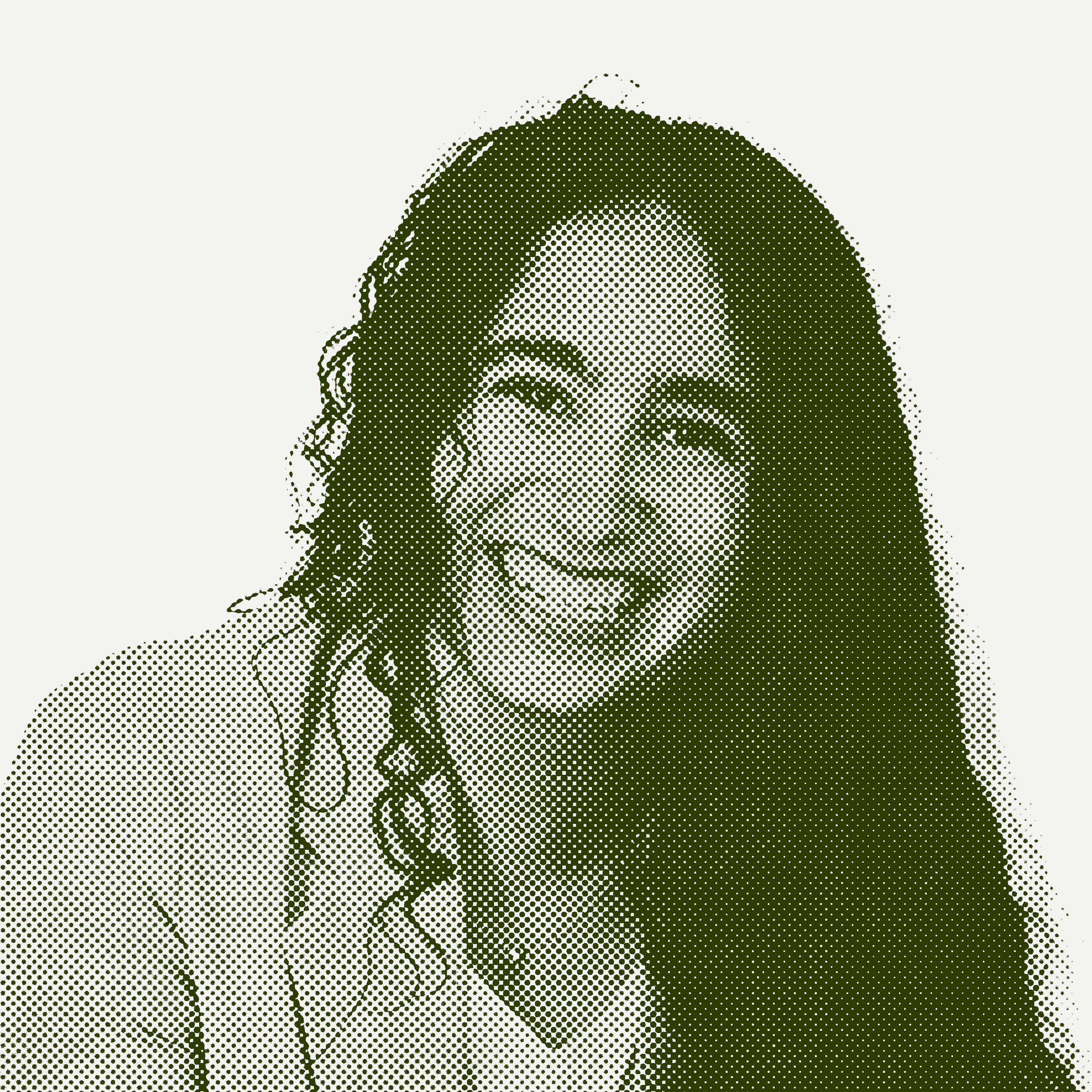
Shari Goy
CIVIL SOCIETY
In Between
Foresight, International Conflict Resolution & Political Economy
>>“Thinking about the future currently makes me feel rebellious. We must fight to ensure equitable opportunities for movement and belonging!”
Shari Goy is a Berlin-based policy analyst, facilitator and foresight practitioner specialising in international conflict resolution, social equity, and political economy. With two Master's degrees in multilateral diplomacy and conflict mediation, she has worked across academic, governmental and civil society contexts, advising institutions such as the German Federal Ministry for Economic Cooperation and Development and contributing to international research projects on nuclear security and governance. She is the founder of In Between, under which she facilitates foresight processes, designs future-informed projects and works as a speaker and consultant at the intersection of international relations, economy and societal transformation. Drawing on lived experience across seven countries and four education systems, she brings an intercultural and multi-sectional lens to her facilitation practice.
-
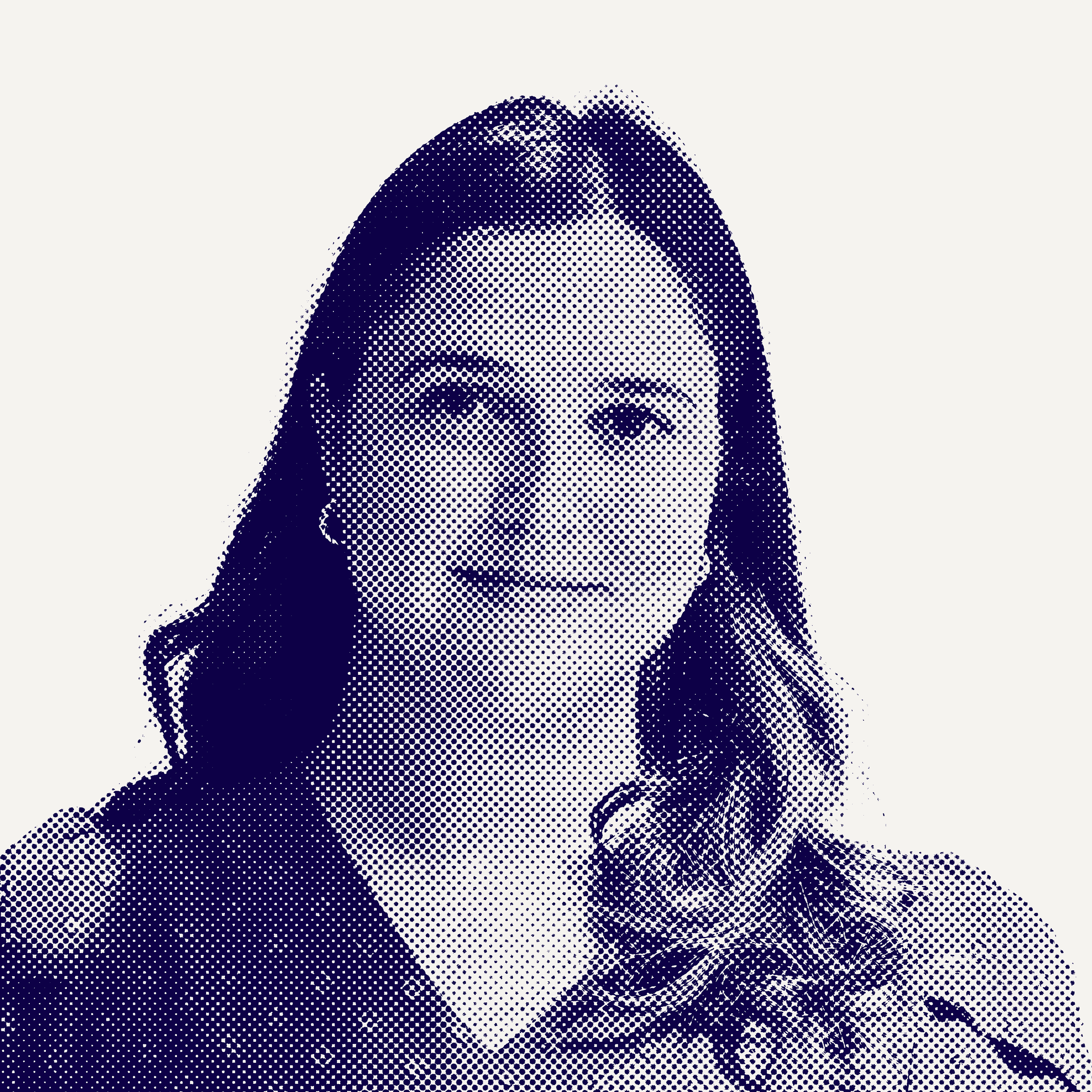
Lara El Mekaui
RESEARCH
Toronto Metropolitan University,
Global Migration InstituteMigration Studies, Literature
>>“Migration is a rift, a split, a way out. To migrate is to give yourself a better chance in life, while making the heartaching decision to leave your loved ones and home behind.”
Lara El Mekaui is a Research Fellow at the Global Migration Institute. She researches future methods and migration, and is interested in identity, migration, and belonging as well as uncertainty. She specializes in qualitative and arts-based methods and critical digital pedagogy, having designed and taught courses on digital lives.
-
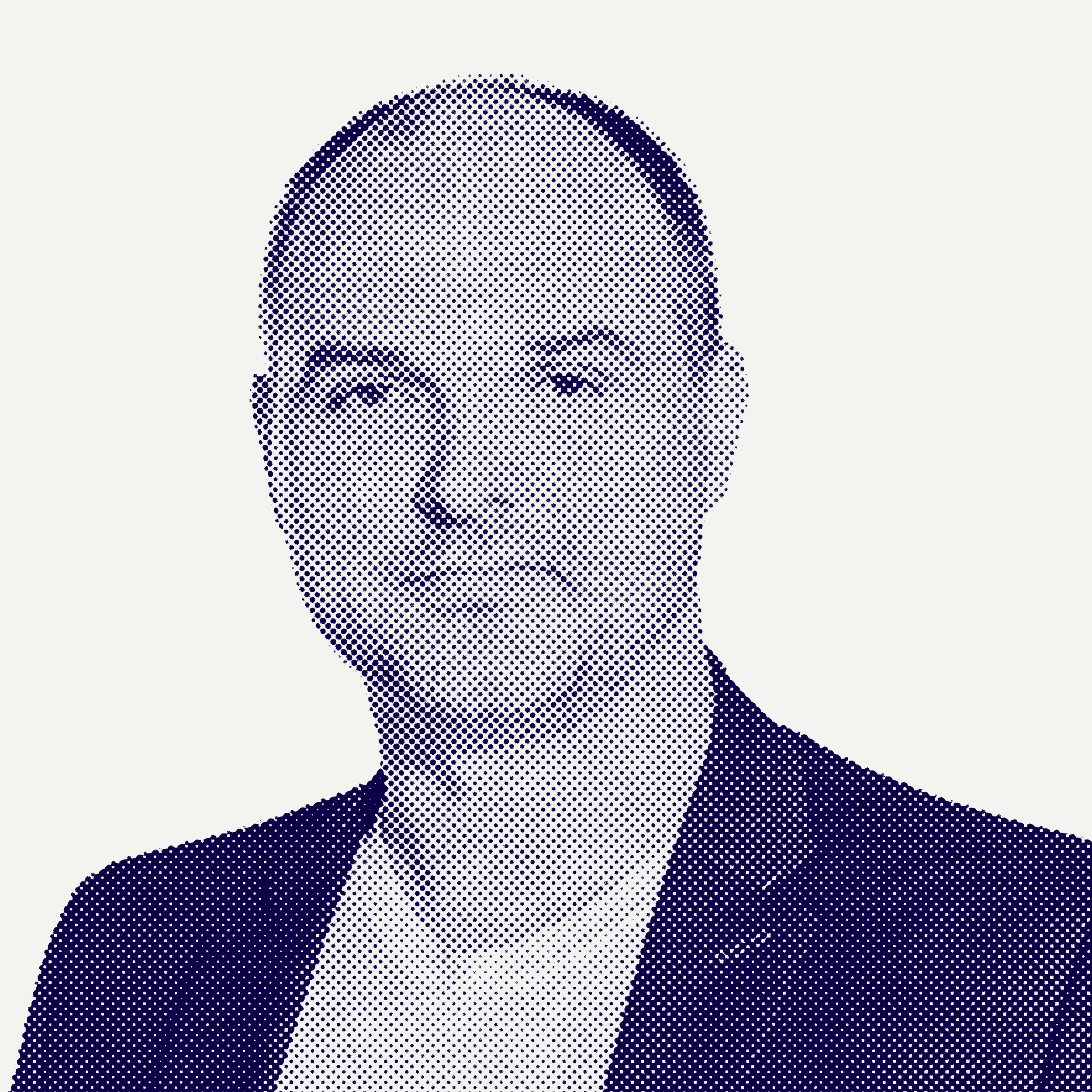
Marcus Engler
RESEARCH
Deutsches Zentrum für Integrations- und Migrationsforschung Berlin
Social Sciences, Economics
>>“Future Thinking helps us move beyond the often narrow-minded, toxic and short-term debates of the present.”
Marcus Engler is a researcher at the DeZIM Institute, which he joined in 2020. His work focuses on forced displacement and migration dynamics, as well as German, European, and global refugee and migration policies.
He studied social sciences and economics at Humboldt University of Berlin and at Sciences Po Paris and received his PhD in sociology from Humboldt University in cooperation with the French-German Centre Marc Bloch.
Prior to joining DeZIM, Marcus held various positions in migration research and policy advisory. He has worked with the Expert Council of German Foundations on Integration and Migration (SVR), the United Nations High Commissioner for Refugees (UNHCR), the German Agency for International Cooperation (GIZ), Humboldt University of Berlin, and the Institute for Migration Research and Intercultural Studies (IMIS) at the University of Osnabrück. He has published widely, both in academic journals and in the policy area. Dr. Engler regularly comments on migration policy debates for national and international media and is actively involved in advising political stakeholders.
-
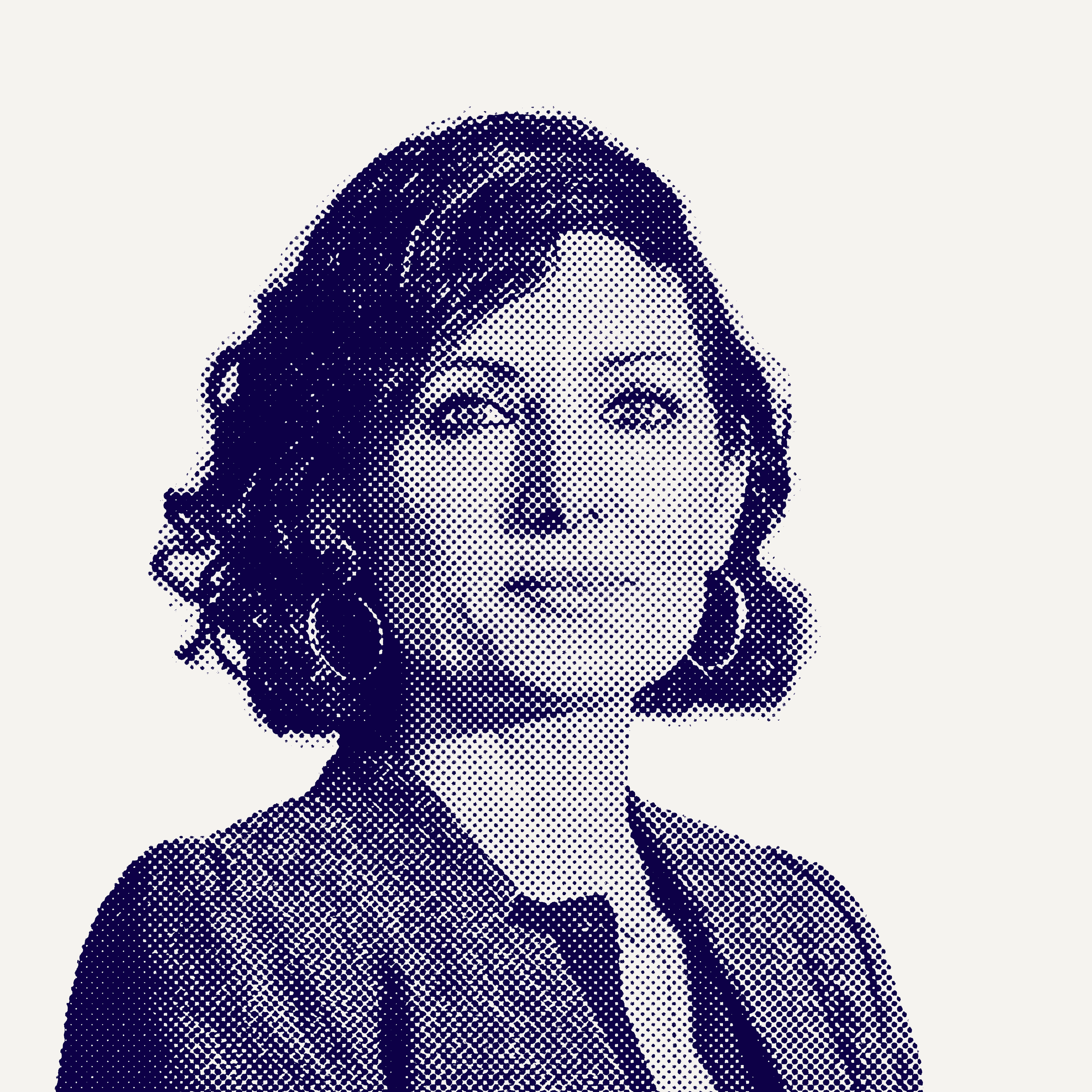
Naika Foroutan
RESEARCH
Deutsches Zentrum für Integrations- und Migrationsforschung, Humboldt-Universität zu Berlin
Political Science, Sociology, Social Studies
>>“By 2050, I would expect a shift toward global frameworks of mobility: more open borders, transnational labor standards, and equal rights could be the norm rather than a privilege reserved for the few.”
Naika Foroutan is Professor of Social Sciences at the Humboldt-University in Berlin where she heads the Department of Integration Studies and Social Policies at the Berlin Institute for Integration and Migration (BIM). Foroutan is Director of the German Center for Integration and Migration (DeZIM) a government-funded research institute that provides empirical analysis on migration and integration and monitors ‘Racist Realities’ for the German government.
Foroutans research focuses on countries of immigration, their changing national identities and shifting attitudes towards minorities as well as the impact of pluralization on norms and values. In her book Die postmigrantische Gesellschaft: Ein Versprechen der pluralen Demokratie she developed a much-acclaimed theoretical framework for analyzing social transformations in migration-impacted societies.
For her scholarly work, she was awarded the Caroline von Humboldt Professorship in 2025. In the same year, she received an Honorary Doctorate from Lund University. Previous awards include the Fritz Behrens Foundation Science Prize for Excellent Research (2012) and the Höffmann Science Prize of the University of Vechta (2016).
Related article:
POSTMIGRATION SOCIETIES: The Importance of Belonging -
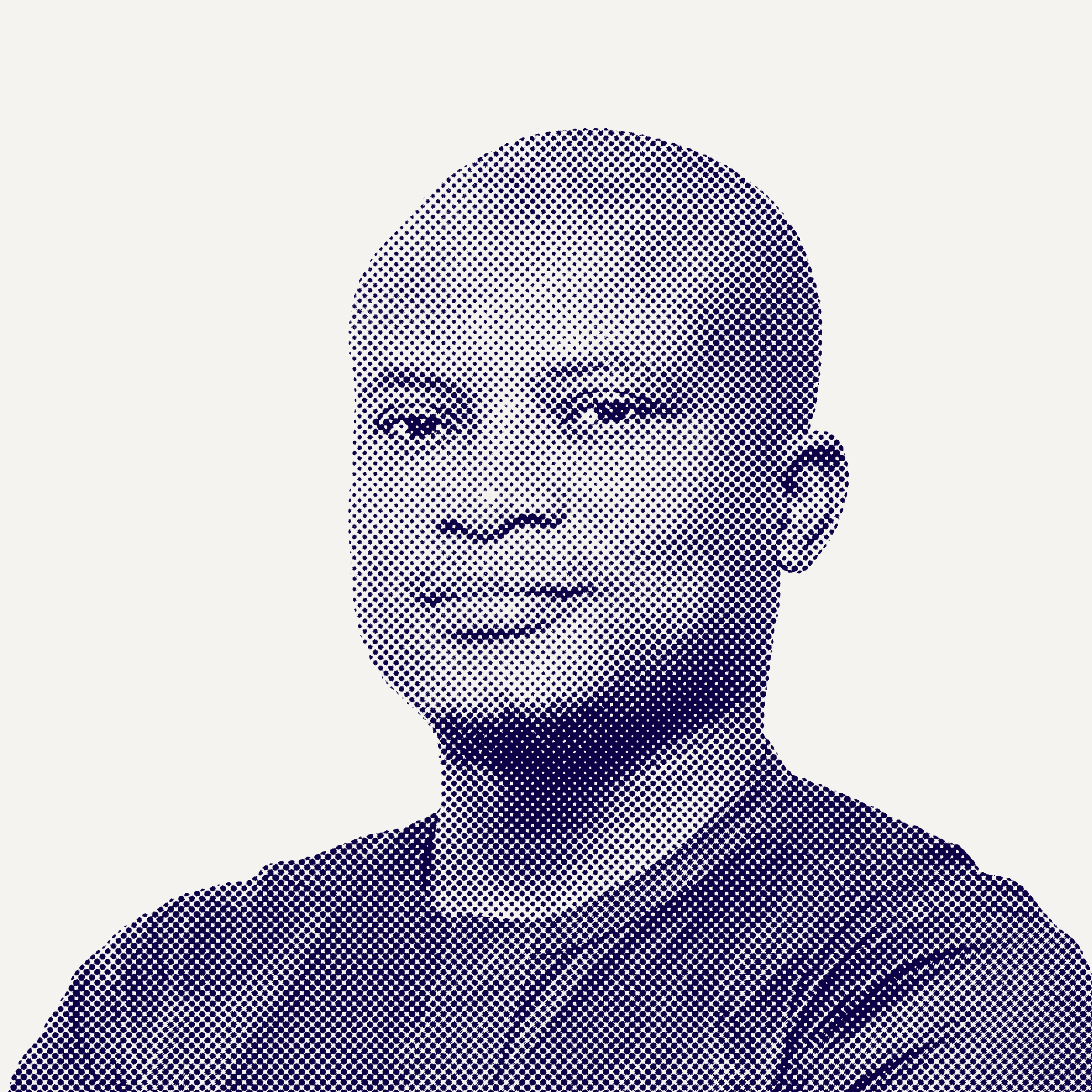
Hakib Abdul Karim
RESEARCH
ARTUniversity of Ghana
Theatre for Development, Applied Theatre
>>“Migration is both rupture and re-creation: It opens space for cultural negotiation, memory, and performance, where the self is continually rehearsed and reimagined.”
Abdul Karim Hakib is an applied theatre/TfD scholar-practitioner who bridges academic research with community-based performance. He is a lecturer in the Theatre Arts Department at the University of Ghana and Executive Director of the Global Arts and Development Centre (GADEC). His research interest straddles applied theatre, sustainable development goals, migration and development, creative arts and culture, community and organizational development. He has co-edited major volumes such as Theatre for Development in Africa (2023) and Applied Theatre and the SDGs (2024), and contributed chapters on topics like Efua Sutherland’s cultural networks. In parallel, he is a prolific director and adapter of stage works; I Told You So, Mansa Musa and rail of the Lost Gold, Wogbejeke, Vagina Monologues and The Slaves Revisited. Hakib is leading and participating in cultural networks in Ghana (ITI Ghana, Arterial Network Ghana) and is a Creative Community Fellow (USA).
-
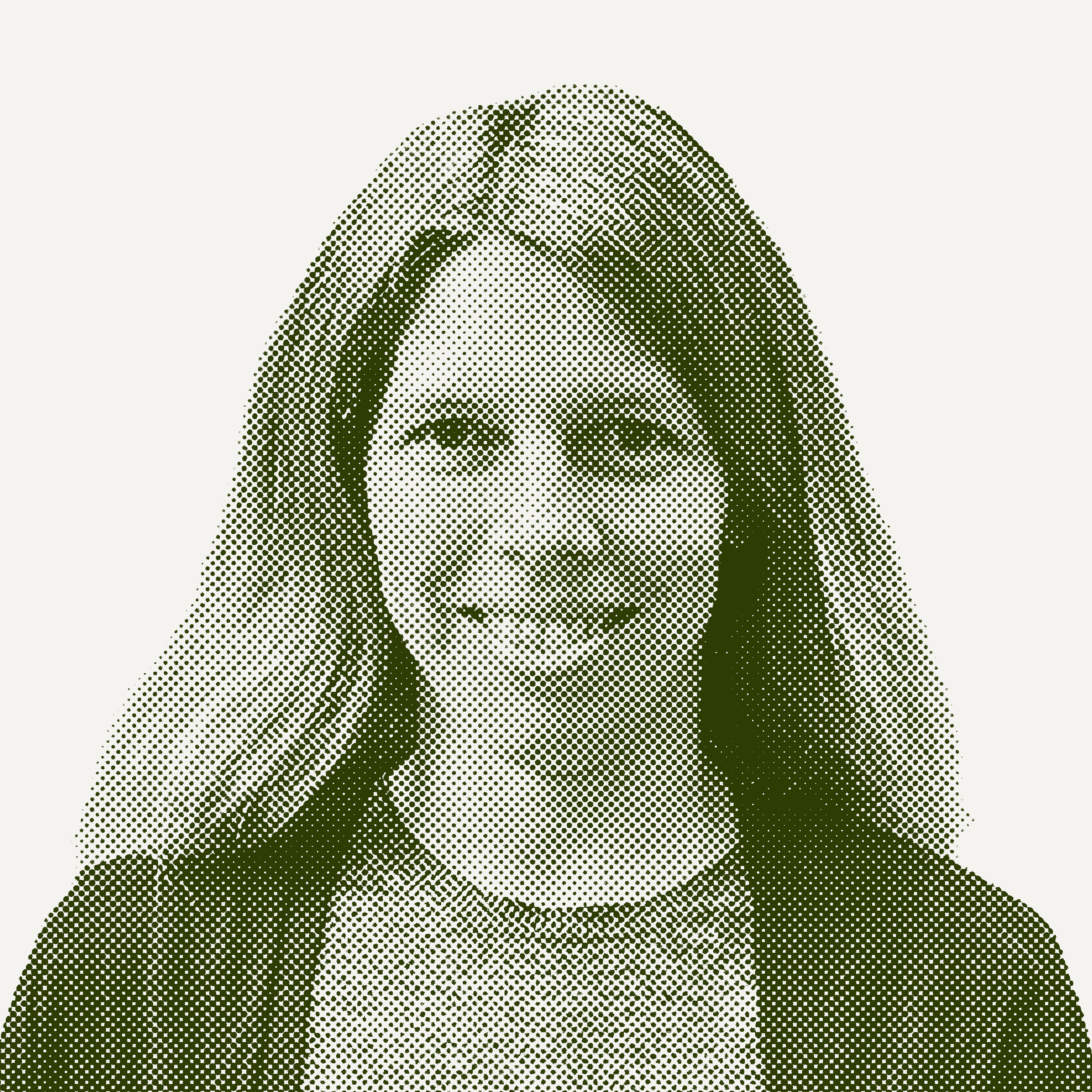
Bernadette Klausberger
CIVIL SOCIETY
ARTMigration Matters
Media, Film Production, Artistic Research
>>“Thinking about the future makes me think more of untapped potential than of impending disasters. How could things be different in 2050?”
Bernadette Klausberger is a film and media producer, festival manager and member of the NGO Migration Matters. She studied European Media Studies at the University of Potsdam and Film Production at the German Film and Television Academy in Berlin. As a producer she has developed a wide range of innovative audio-visual projects, including the award-winning German-Lebanese co-production Manivelle – Last Days of the Man of Tomorrow.
Over the past ten years, she has developed and co-created online courses, documentaries, open educational resources, and event series, including ‘The Future of Storytelling’ , which is considered one of the most successful MOOCs ever. For the NGO Migration Matters and together with international migration scholars, she has designed an extensive series of educational videos on migration-related topics and concepts such as nationalism, populism, and multiculturalism.
Bernadette's work as a curator focuses particularly on projects at the intersection of art, research and societal change.
-
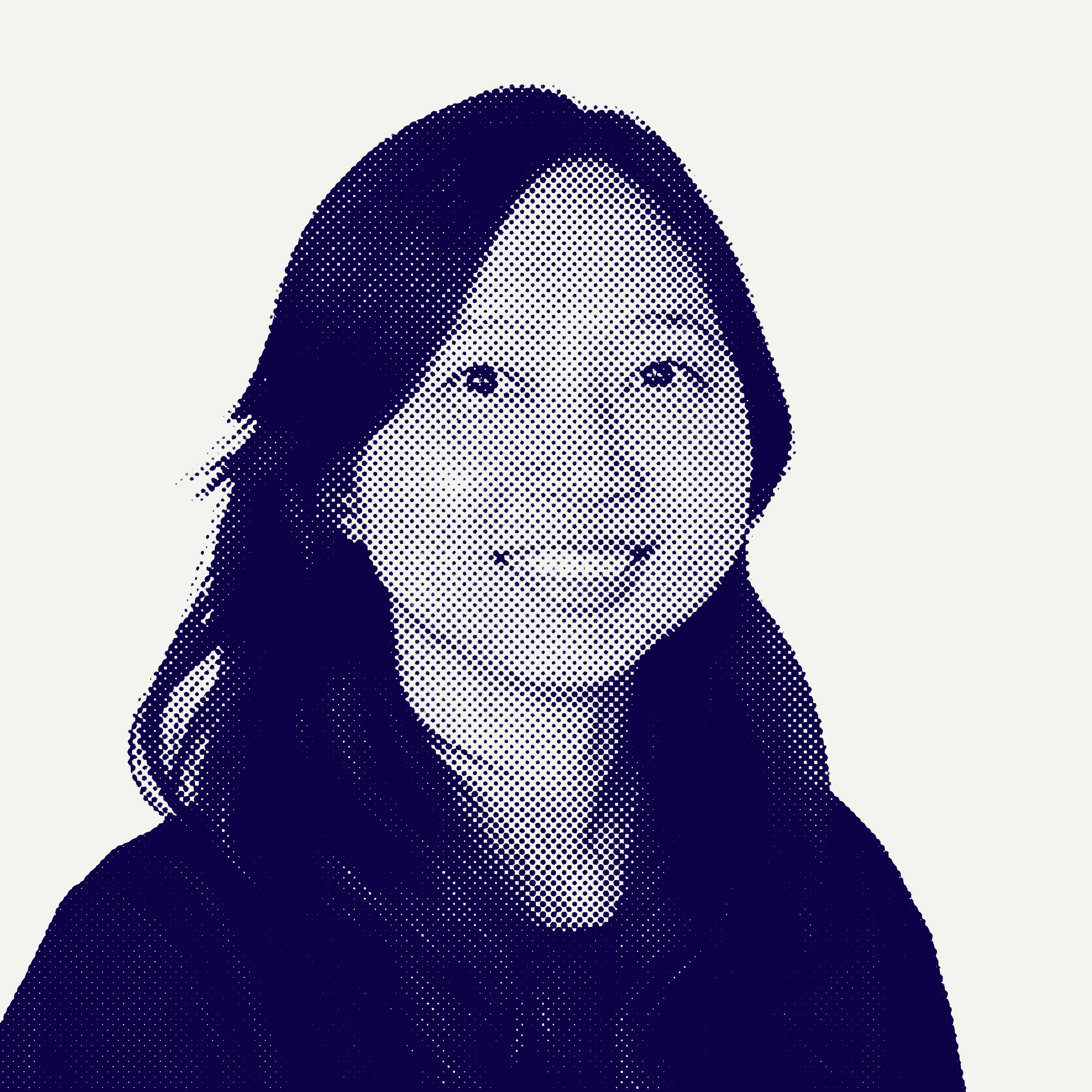
Theodora Lam
RESEARCH
University of Singapore, Asia Research Institute
Geography, Social Science
>>“I’d like us to preserve a traveler’s sense of excitement and wonder rather than entitlement when crossing borders and entering into others’ homes and spaces.”
Theodora Lam is Senior Research Fellow in Asia Research Institute, National University of Singapore (NUS). Her research interests cover transnational migration and families, the web of care within transnational households, geographies of children and young people, and gender studies. She has researched on both skilled and low-waged labour migrants as well as their families in Singapore and other Asian countries. Theodora has published on various themes relating to migration, citizenship and education, and co-edited several special journal issues and books. She has recently published in Population, Space and Place,Mobilities and Asia Pacific Viewpoint.
-
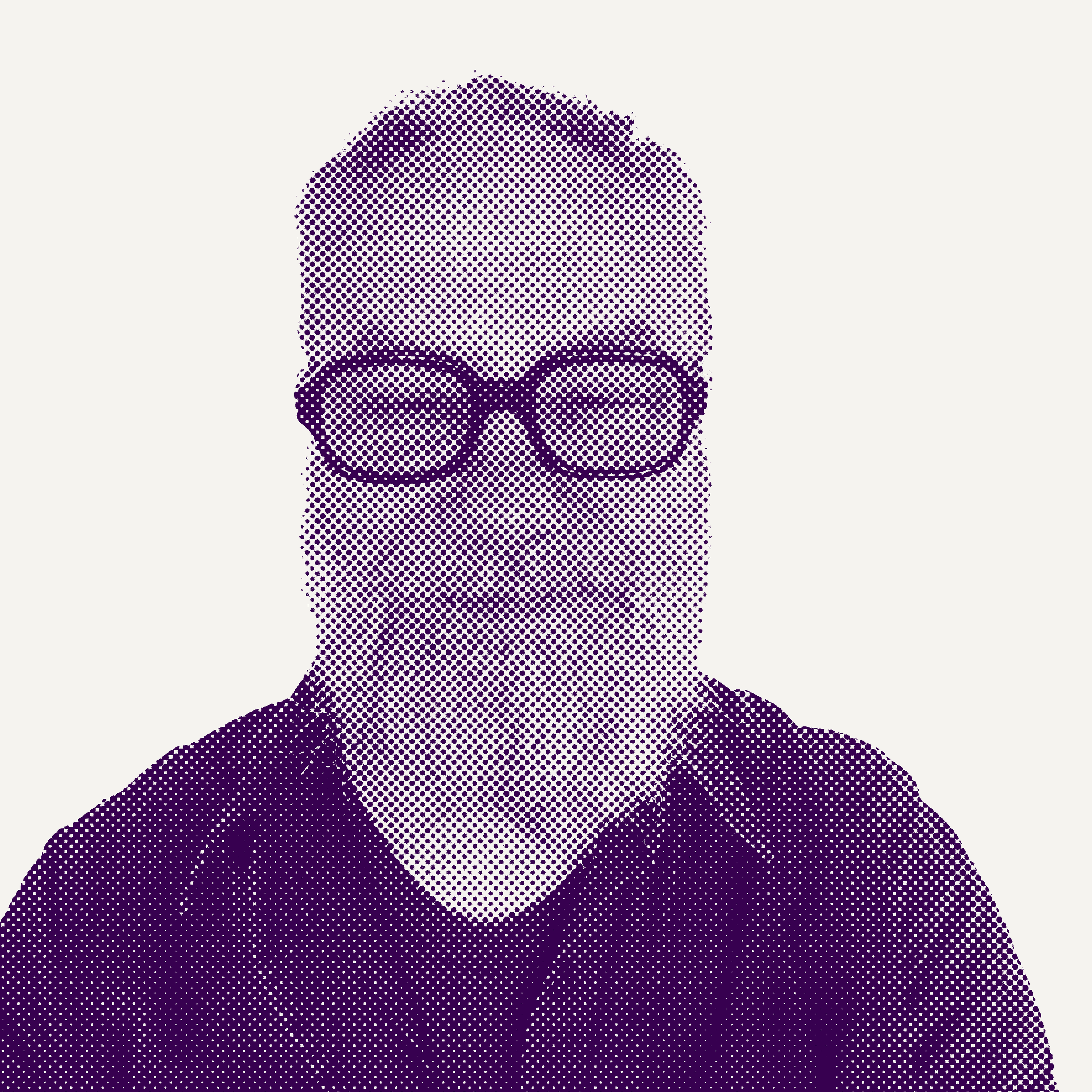
Nicolas Malevé
ART
RESEARCHSciences Po, Paris, Medialab and School of Law
Art, Aesthetics, Computational Culture, Media
>>“My wish for the future? - That there is a future and that there is a society in 2050. None of these things, even at their most basic level, can be taken for granted.”
Visual artist, data activist and computer science geek, Nicolas is interested in the socio-technical networks of artificial intelligence and their cultural implications. He is currently a postdoc researcher at Sciences Po’s School of Law and Medialab (Paris). He also explores the potential of collaborative cartography to document subjective and collective experiences. Nicolas completed a Phd thesis on the algorithms of vision at the London South Bank University. He is a member of the Institute for Computational Vandalism with Michael Murtaugh and Ellef Pretsaeter where he is experimenting with techniques to engage with large collections of visual materials and explore different ways to navigate and question them.
-
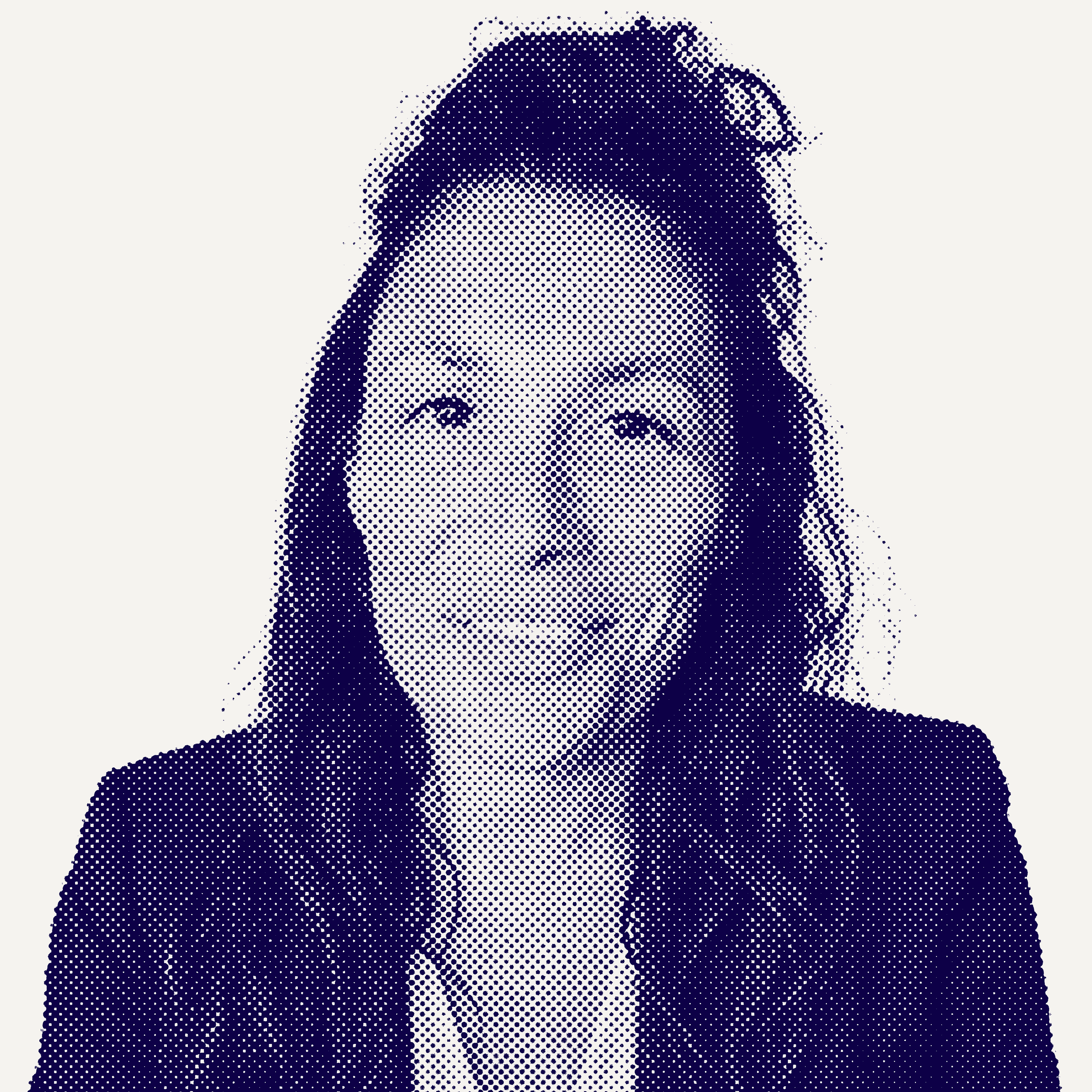
Alice Massari
RESEARCH
Toronto Metropolitan University,
Global Migration InstitutePolitical Science, International Relations
>>“International mobility, as I see it, is fundamentally about possibility and opportunity and I wish it could be everyone’s right.”
Alice Massari is a humanitarian and migration specialist whose work connects scholarship with two decades of field and advisory experience across crisis-affected settings in Africa and the Middle East. She holds a PhD in Political Science and International Relations and was a Marie Skłodowska-Curie Research Fellow at Toronto Metropolitan University and the University of Copenhagen, leading a multi-year research project.
Her research examines how images shape migration governance and humanitarian action. She is the author of the open-access monograph Visual Securitization: Humanitarian Representations and Migration Governance.
Alongside academia, Alice has served since 2020 as Humanitarian Adviser with the UK Foreign, Commonwealth & Development Office, delivering context analysis and strategic foresight for senior decision-makers, including extensive work on the Sudan crisis, donor coordination and joint advocacy. She is also an EU expert on migration and humanitarian action, supporting European Commission bodies with evaluation and policy analysis, including migration analysis work at the Joint Research Centre.
-
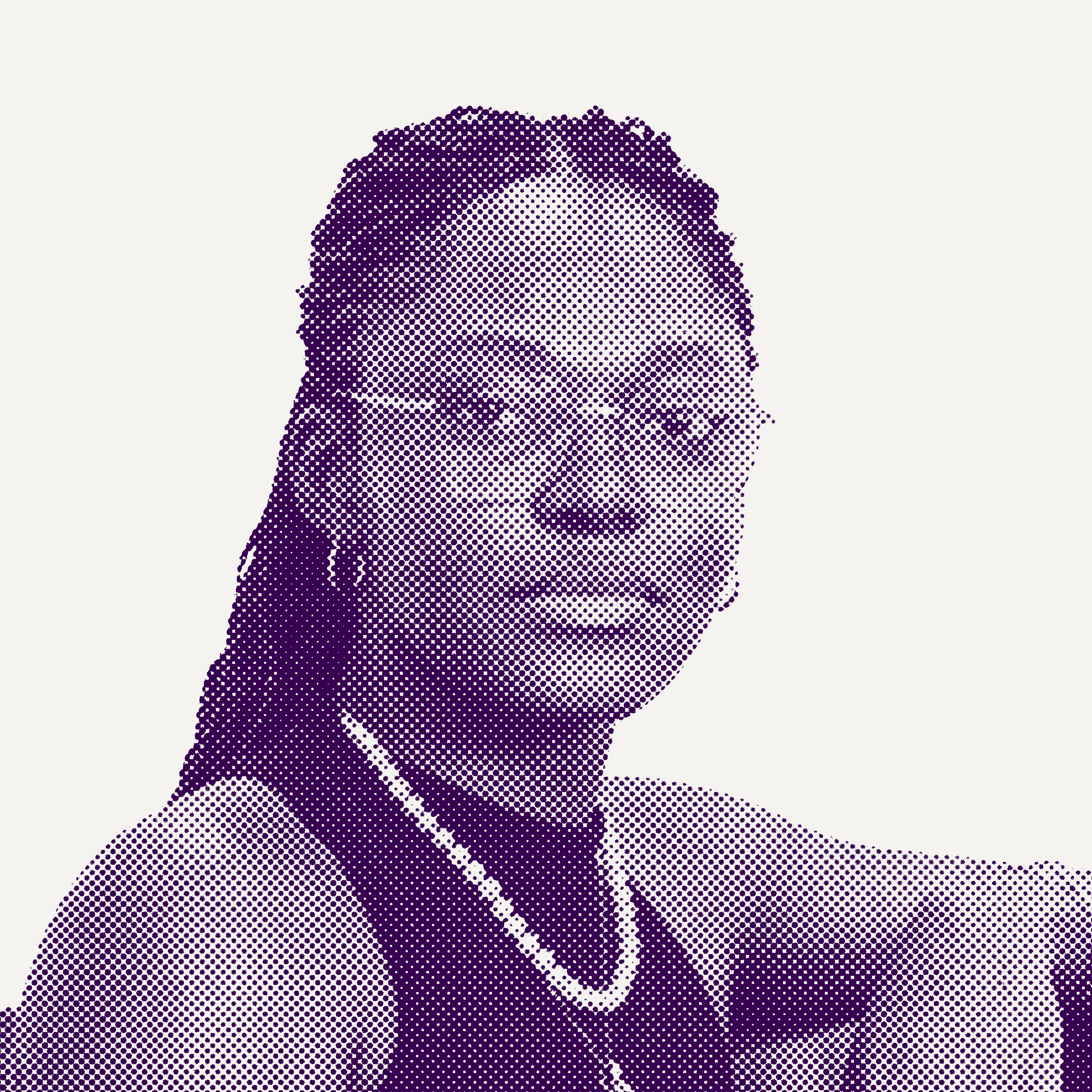
Denyse Gawu-Mensah
ART
Independent Artist
Contemporary Art
>>“Thinking about the future currently makes me feel bittersweet because, in terms of human mobility and migration, I think a lot will be lost. At the same time, I believe that old forms will take on new shapes in order to be carried forward. There will be loss, but there will also be continuity, just in new forms.”
Denyse Gawu-Mensah is a Ghanaian artist whose practice explores memory, material culture, and the preservation of everyday histories. Born and raised in Ghana, she holds a degree in Communication Design from Kwame Nkrumah University of Science and Technology. Her interdisciplinary practice draws from archives such as found photographs, furniture, and objects to reimagine fragments of Ghanaian life, particularly from the post-independence era.
Working across digital composition, image transfer, collage, and installation, she embraces traces of wear and imperfection as markers of time, memory, and lived experience. Her work reflects on family, fashion, architecture, photography, music, and everyday life, creating spaces for reflection on loss, continuity, and cultural legacy. Her work has been exhibited at Gallery 1957, Frieze Seoul, and the Rencontres d’Arles. Her work is held in the Toledo Museum of Art and other private collections.
-
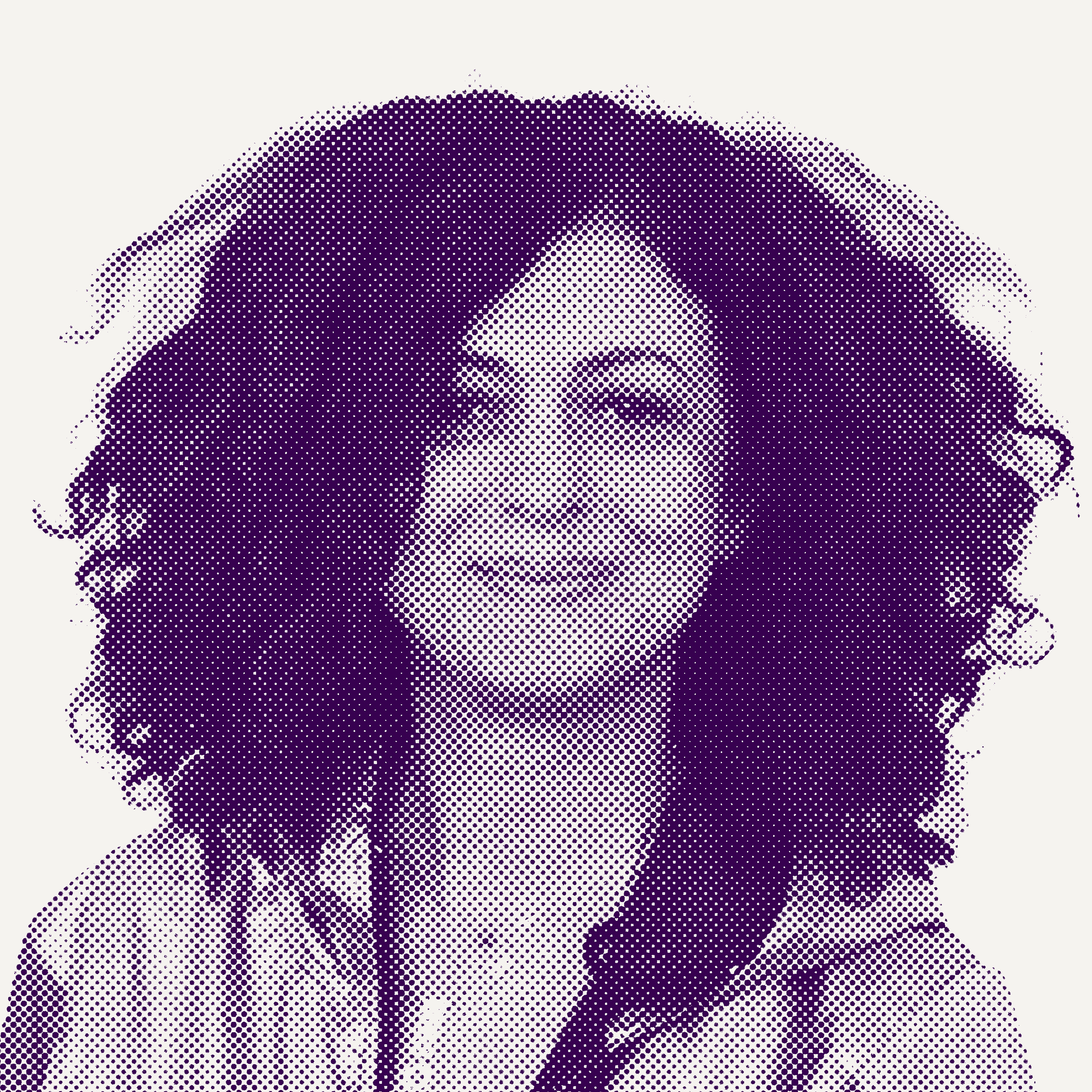
Pınar Öğrenci
ART
RESEARCHHochschule für Bildende Künste Braunschweig, Raumkonzepte
Artist, Filmmaker, Writer
>>“I hope for a future in which migration is not used to divide social groups or fuel nationalist and right-wing ideologies, but is embraced as an enriching and shared experience of living together.”
Artist and filmmaker Pınar Öğrenci (b. 1973, Van, Turkey) lives in Berlin. Displacement, migration, survival, and resistance are central to her films and installations. With a background in architecture and restoration, her poetic, research-based video works and installations draw on traces of material culture related to forced displacement. Öğrenci engages with place, site, and architecture as materializations of violence. Her practice responds to collective histories often left unspoken, inviting audiences to imagine futures grounded in justice, equality, and collective healing. Her work has been widely exhibited at major biennials and institutions, including HKW (2025), the Venice Biennale (2024), the Harvard Art Museums (2024), documenta fifteen (2022), the 12th Gwangju Biennale (2018), the 6th Athens Biennale (2018), and the 13th Sharjah Biennial (2017). She has held solo exhibitions at the Harvard Museum Boston (2026), Museum für Kunst und Gewerbe Hamburg (MKG, 2025), Frac Bretagne (2024), the Berlinische Galerie (2023), the Kunst Haus Wien – Museum Hundertwasser (2017), and Depo Istanbul (2017).
-
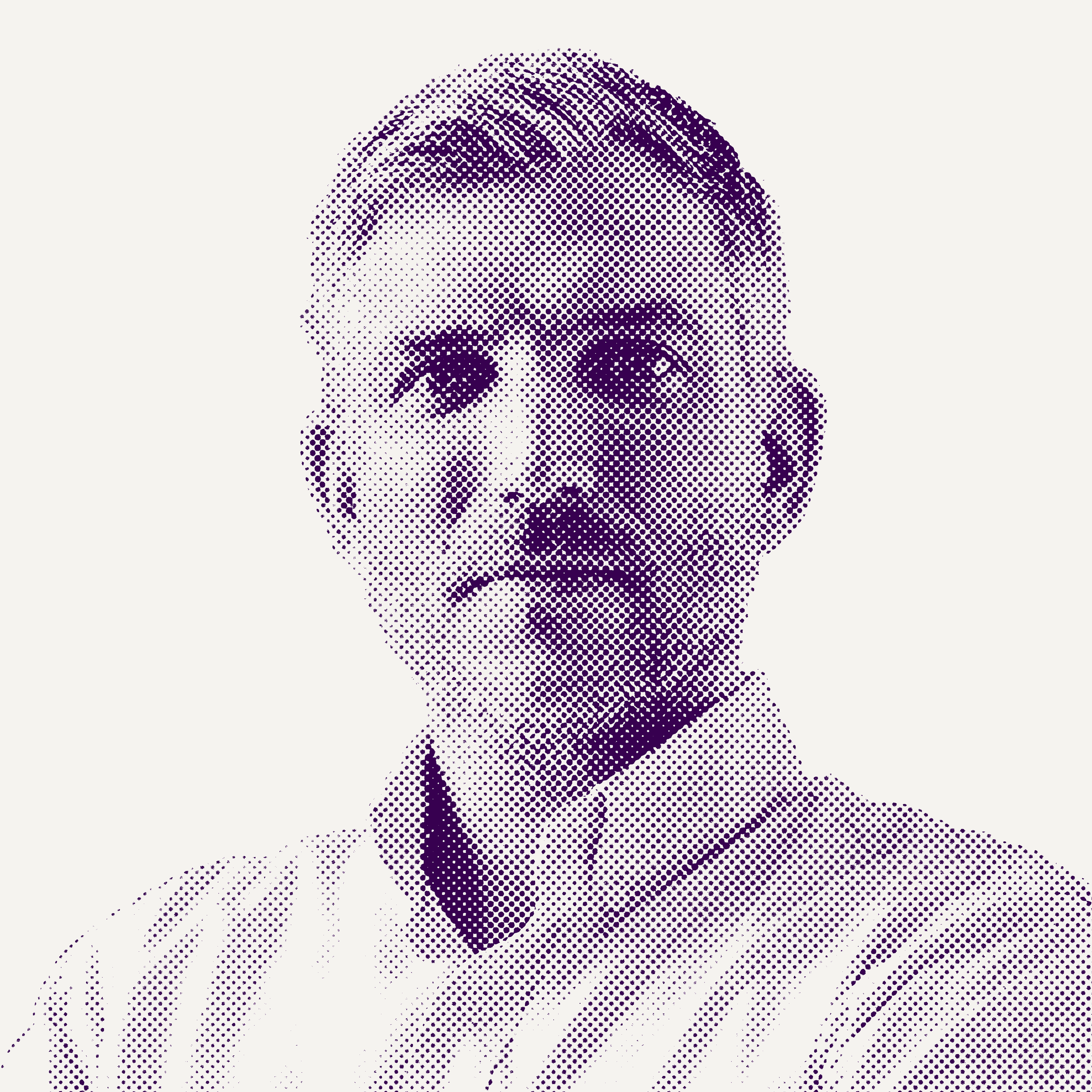
Sascha Priewe
ART
Aga Khan Museum
Museums, Art, Cultural Diplomacy
>>“By 2050, I hope for a future defined not by rivalry, but by collective responsibility for our planet.”
Dr. Sascha Priewe is the Director, Collections & Public Programs, at the Aga Khan Museum in Toronto, and previously worked at the Royal Ontario Museum, British Museum, and the German Foreign Office. He also serves as the President of ICOM Canada (Canadian national committee of the International Council of Museums). Sascha holds professorial appointments at the University of Toronto and Queen’s University and is a Senior Fellow of Massey College. He is a co-founder of the North American Cultural Diplomacy Initiative (NACDI), and has authored Museum Diplomacy: Parsing the Global Engagement of Museums, and co-edited Museum Diplomacy: How Cultural Institutions Shape Global Engagement.
-
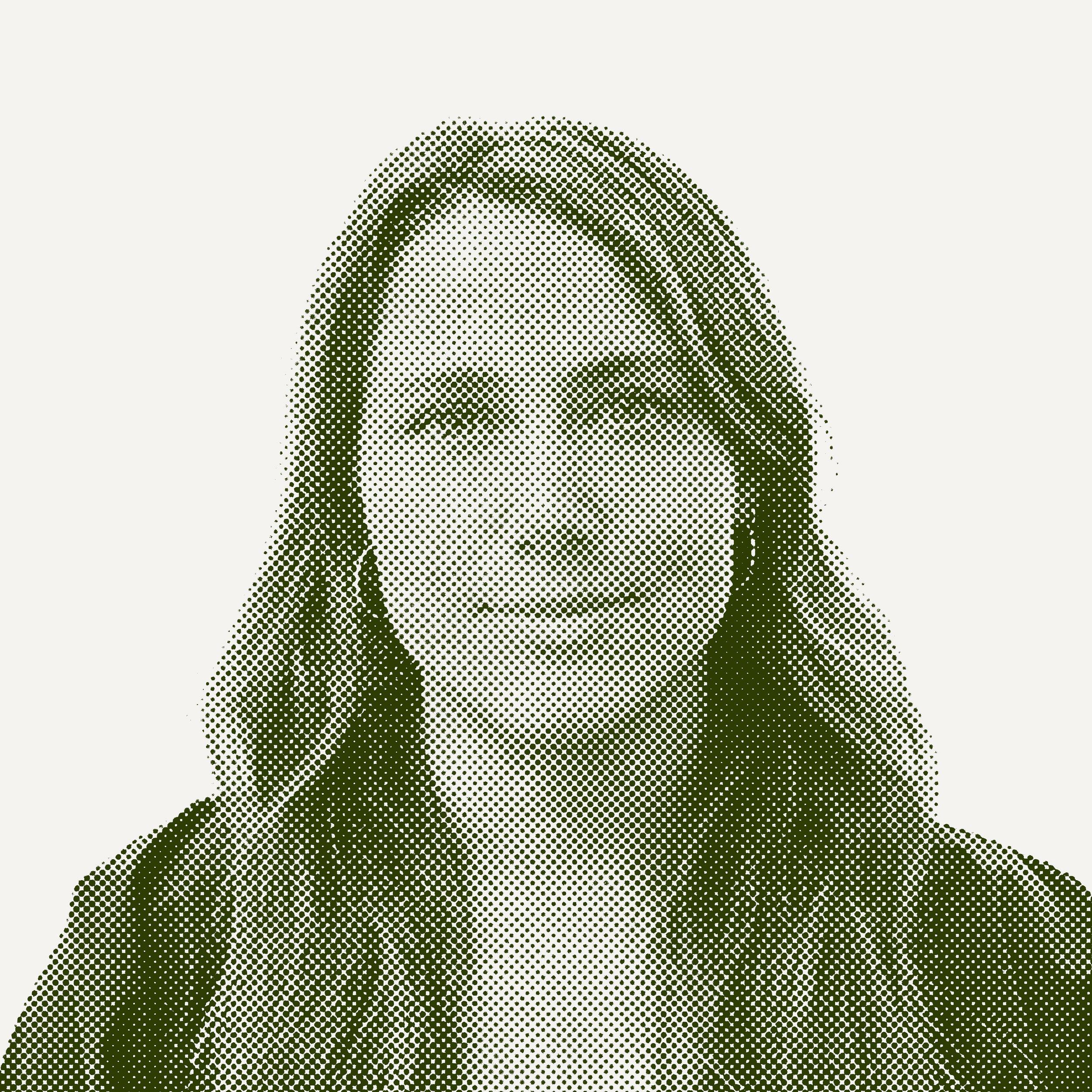
Julie Reindl
CIVIL SOCIETY
RESEARCHMigration Matters
Future Studies
>>“The greatest challenge lies not in migration itself, but in loosening the inherited stories we tell about borders and belonging.”
Julia Reindl is a futures and transitions researcher specializing in public engagement with emerging environmental, technological, and societal issues. Her work focuses on how diverse publics imagine and negotiate complex futures, and how public future-making processes can be meaningfully integrated into political decision-making.
Julia holds a Master’s degree in Futures Studies from Freie Universität Berlin with a background in participatory design and anthropology. She applies her experience in futures methods to cultivate alternative ways of understanding and experiencing topics such as human mobility, working with civil society to bridge the gap between foresight and community action. She currently works with Migration Matters, consulting on the selection and application of futures methodologies for the Future Lab Berlin.
-
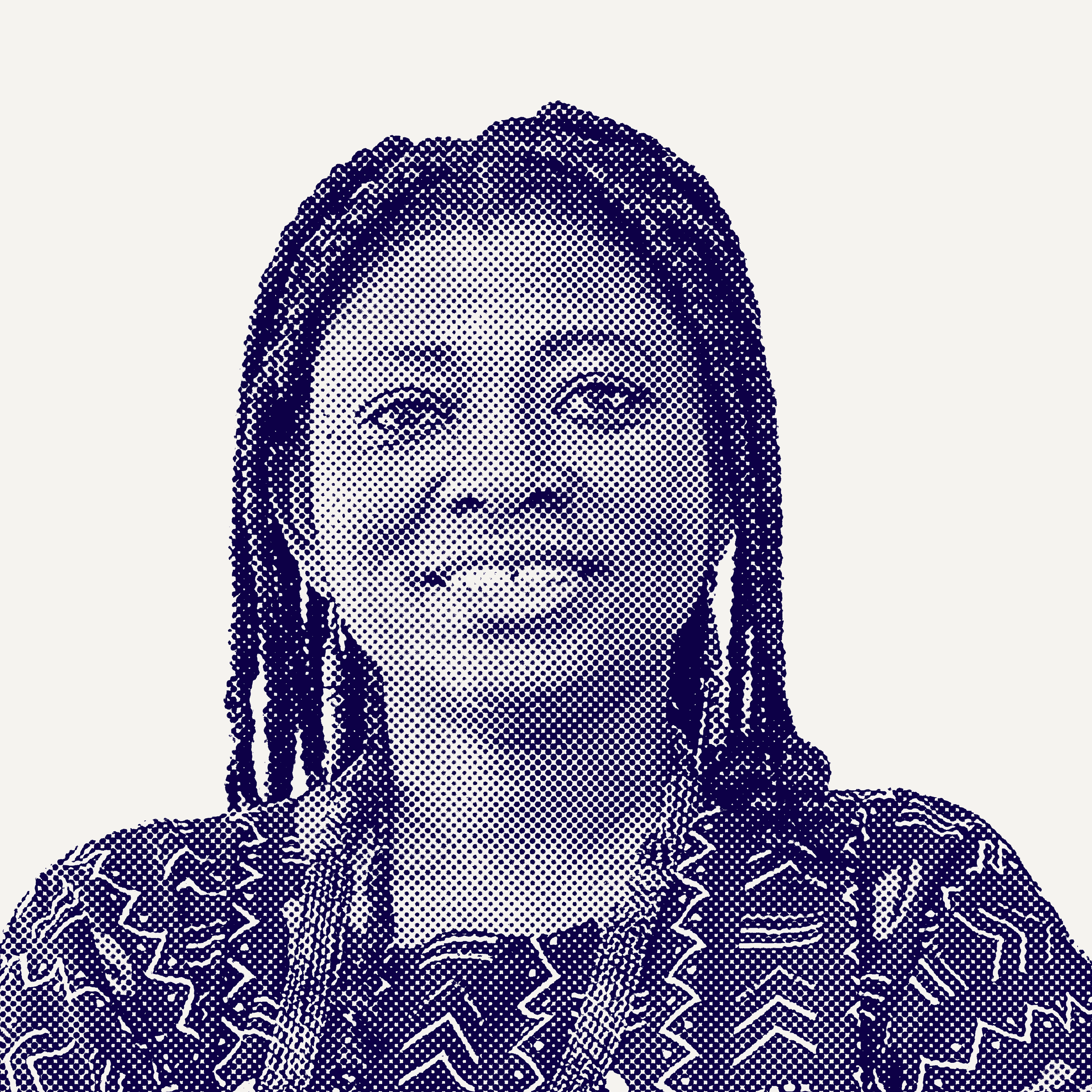
Mary Setrana
RESEARCH
University of Ghana,
Centre for Migration StudiesSociology
>>“Across Africa, and beyond, there is a real opportunity to shape migration through inclusive policies and to shift negative narratives toward more balanced, human-centered perspectives.”
Prof. Mary Boatemaa Setrana is an Associate Professor of Migration and Social Change and Director of the Centre for Migration Studies at the University of Ghana. She is the International Development Research Centre (IDRC) Research Chair on Forced Displacement in Anglophone West Africa and serves on the Scientific Committee of the Council for the Development of Social Science Research in Africa.
She has led major EU, UKRI, AU and UN-supported projects, contributed to national migration policies in Ghana and Botswana, and supported African Union frameworks. Her research focuses on migration governance, forced displacement, gender and climate-related mobilities.
-
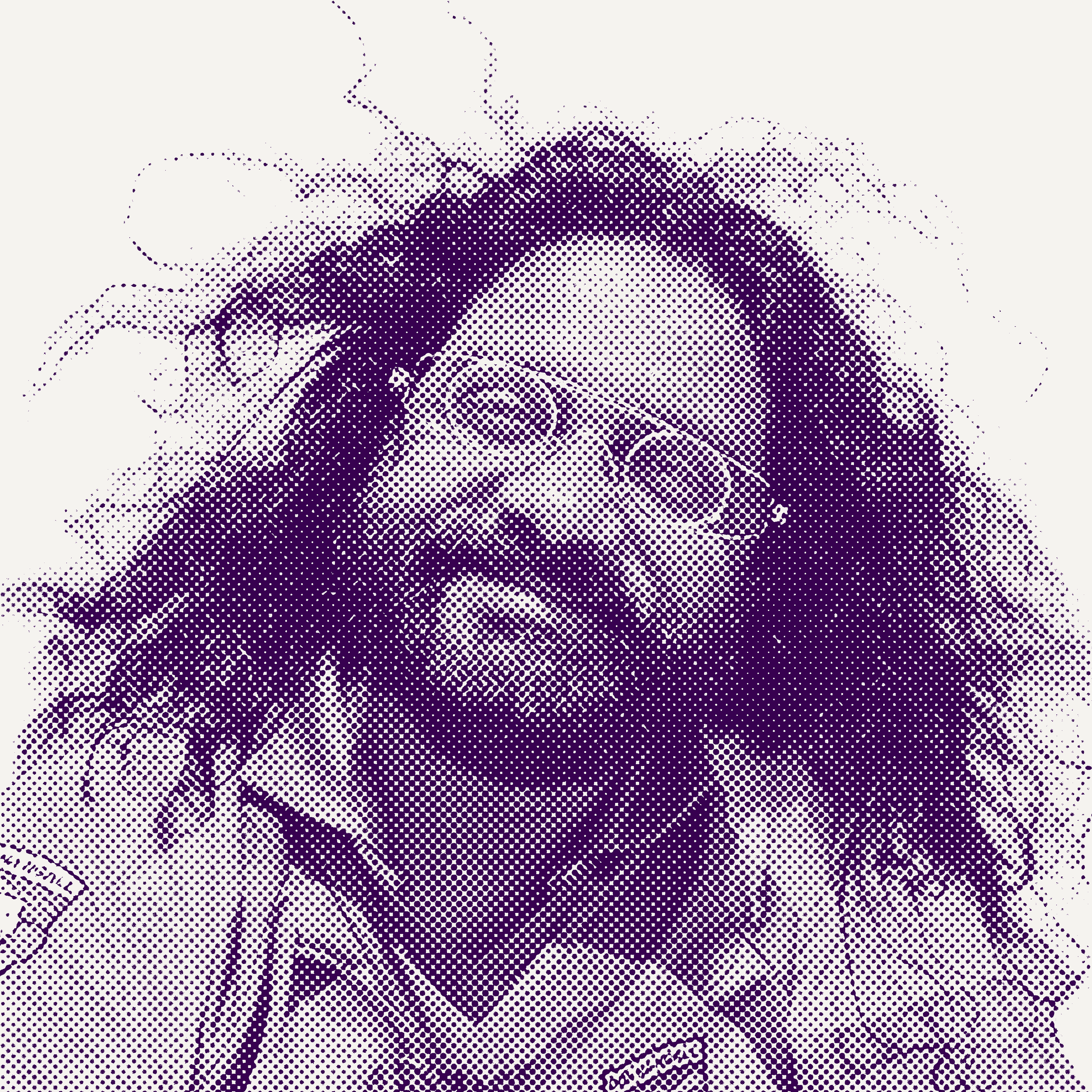
Cyrus Sundar Singh
ART
CIVIL SOCIETYGlobal Migration Institute, Toronto Metropolitan
UniversityAcademiCreActivist: Musician Filmmaker Scholar
>>“Where we stand today impacts where we may dance tomorrow.”
dr. Cyrus is an AcademiCreActivist: a Gemini Award-winning filmmaker, scholar, composer, singer-songwriter, author, published poet, and changemaker. From the Award-winning National Film Board of Canada’s documentary debut Film Club (2001) to the live-documentary productions: Brothers In The Kitchen (2016) and Africville in Black and White (2017/18), Cyrus’ multidisciplinary outputs of scholarly research, publications, photo installations, and creative productions have taken him around the world including Senegal, South Africa, France, Portugal, Poland, India, Israel, Spain, Sri Lanka, Haiti, and Jamaica.
As the Creative-Research Fellow with the Global Migration Institute since 2021, Cyrus successfully conceived, mentored, and produced 54 multimedia storytelling projects with graduate students from across Canada. This includes WhereWeStand (WWS), which paired Indigenous and non-Indigenous participants, and produced the WWS Multimedia Learning Resource for educators. Under the framework, Communities of Refuge, Cyrus’ community-centered research methodology continues to produce creative-research outputs around the globe.
-
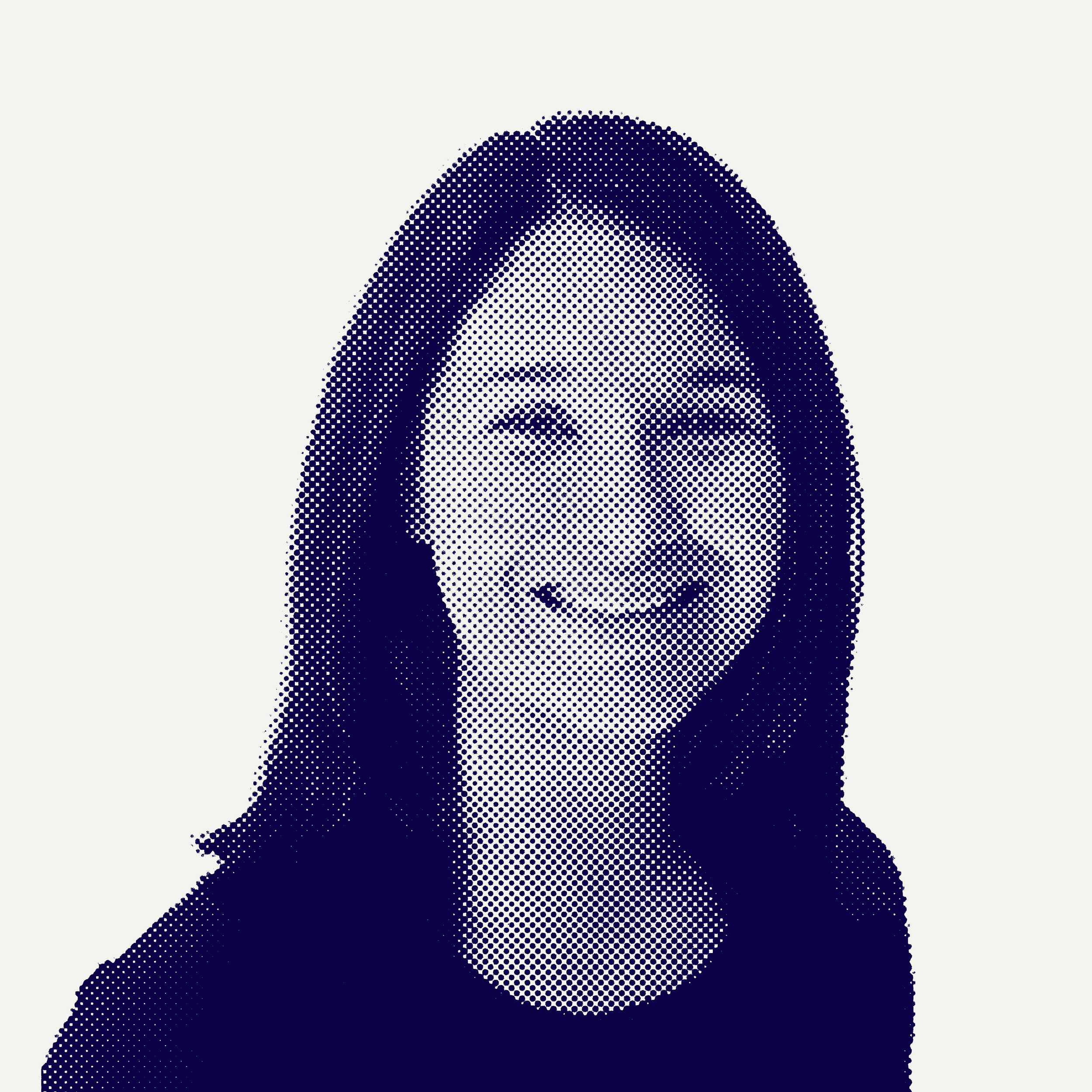
Sarah Smith
RESEARCH
ARTFaculty of Information & Media Studies,
Western UniversityArt History, Media and Communication
>>“The exchange of ideas and perspectives that stem from human mobility is something I’d like to preserve: it facilitates connection, knowledge and change.”
Dr. Sarah E.K. Smith is Associate Professor and Canada Research Chair in Art, Culture and Global Relations in the Faculty of Information & Media Studies at Western University. Her research focuses on cultural diplomacy, examining how visual art and cultural institutions contribute to shaping global relations. Sarah is a co‐founder of the North American Cultural Diplomacy Initiative and contributes to the International Cultural Relations Research Alliance, the Idaho Museum of International Diaspora’s Academics and Research Team, and the Centre for Sustainable Curating.
-
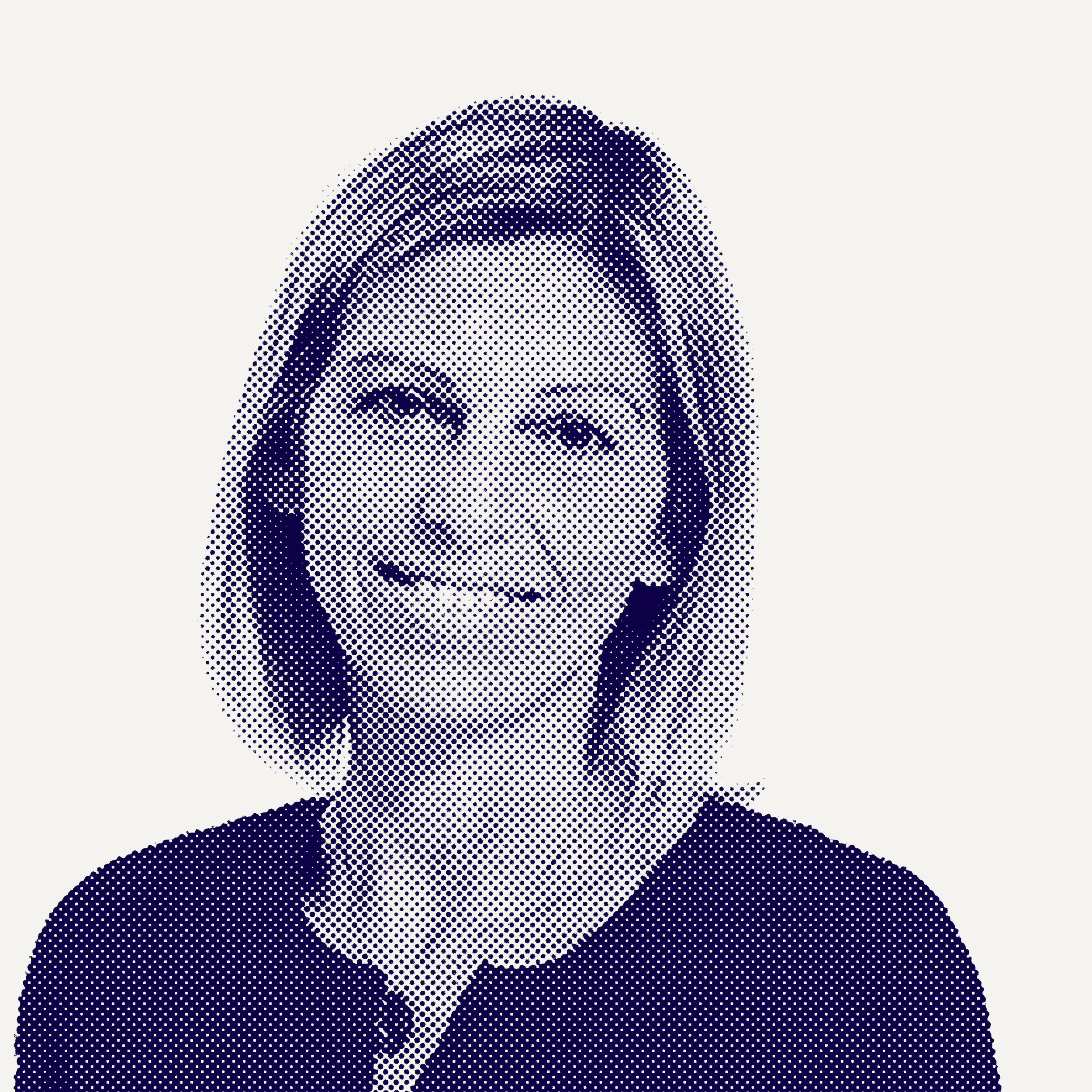
Anna Triandafyllidou
RESEARCH
Toronto Metropolitan University,
Global Migration InstituteSociology, Political Science
>>“Technologies are changing the way we move, the way we work, the way migration is processed - in order to decrease inequality, humans will need to find new solutions.”
Anna Triandafyllidou holds the Canada Excellence Research Chair in Migration and Integrationat Toronto Metropolitan University and is the Founding Director of TMU’s newly launched Global Migration Institute.She is also the Scientific Director of a $98.4 mln multi-University and multi-partner Program entitled Bridging Dividesfunded by the Canada First Research Excellence Fund. Prior to joining TMU in 2019, she held a Robert Schuman Chair at the European University Institute, in Florence, Italy. Anna chairs the Metropolis International Migration Network and is Editor of the Journal of Immigrant and Refugee Studies. In 2021, the University of Liège awarded Triandafyllidou a doctorate honoris causa in recognition of her contribution to migration scholarship.
Anna has published widely in the field of migration governance, migration and national identity, and migrant integration in comparative perspectives. She was part of the OECD Network of International Migration Experts from 2010 to 2018 and has provided expert opinions for the Senate of Canada, Immigration, Refugees and Citizenship Canada (IRCC), the European Parliament and the European Commission.
-
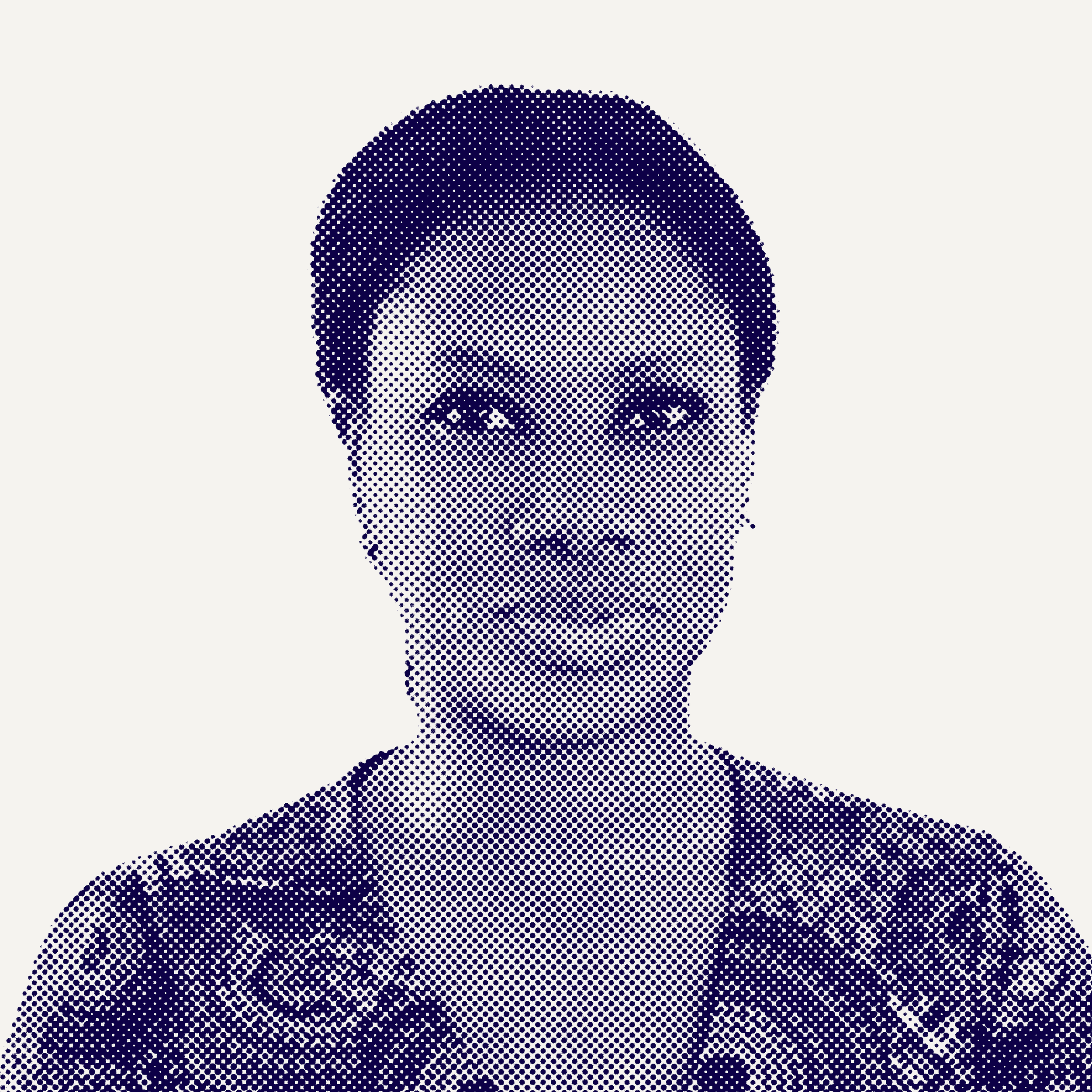
Mary Kissiwah Yeboah
RESEARCH
University of Ghana,
Centre for Migration StudiesSociology
>>“As more people will live across borders - physically or digitally - ideas of citizenship will become more flexible and inclusive. This could lead to greater cultural exchange, innovation, and empathy.”
I am a PhD fellow with a background in sustainable development, working on questions of migration, identity, and transnational family life. I see migration not just as movement, but as something lived and felt in everyday life, all the while shaping how people understand themselves, home, and their future.
-
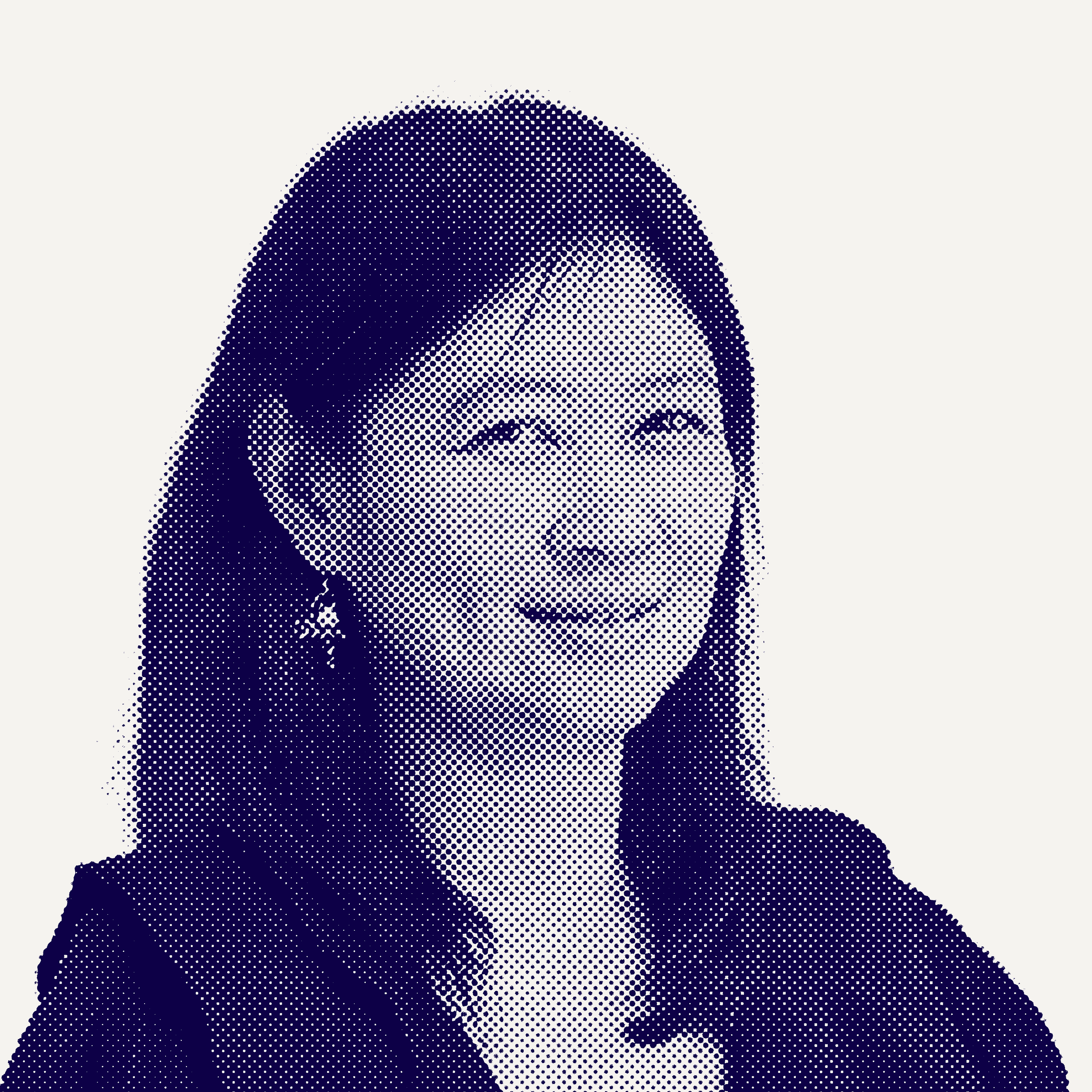
Brenda Yeoh
RESEARCH
University of Singapore,
Asia Research InstituteGeography, Social Science
>>“The gap between the mobile and the immobile is rapidly widening – so thinking about the future currently makes me more concerned than hopeful.”
Brenda S.A. Yeoh, Corresponding Fellow of the British Academy, is Distinguished Professor in the Department of Geography, National University of Singapore (NUS) and Migration and Mobilities Cluster, Asia Research Institute, NUS. She was awarded the Vautrin Lud Prize for outstanding achievements in Geography in 2021 for her contributions to migration and transnationalism studies.
Her research interests in Asian migrations span themes including social reproduction and care migration; skilled migration and cosmopolitanism; and marriage migrants and cultural politics. She has published widely on these topics and her recent books include Handbook of Gender and Mobilities (Edward Elgar Publishing, 2024 with V. Preston, S. McLafferty and M. Maciejewska); The Question of Skill in Cross Border Mobilities (Routledge, 2023 with G. Liu-Farrer and M. Baas); Handbook of Migration and the Family (Edward Elgar, 2023 with J. Waters); and Handbook of Transnationalism (Edward Elgar, 2022 with F.L. Collins).