Art as Spatial Research | Pınar Öğrenci: Gurbet is a home now
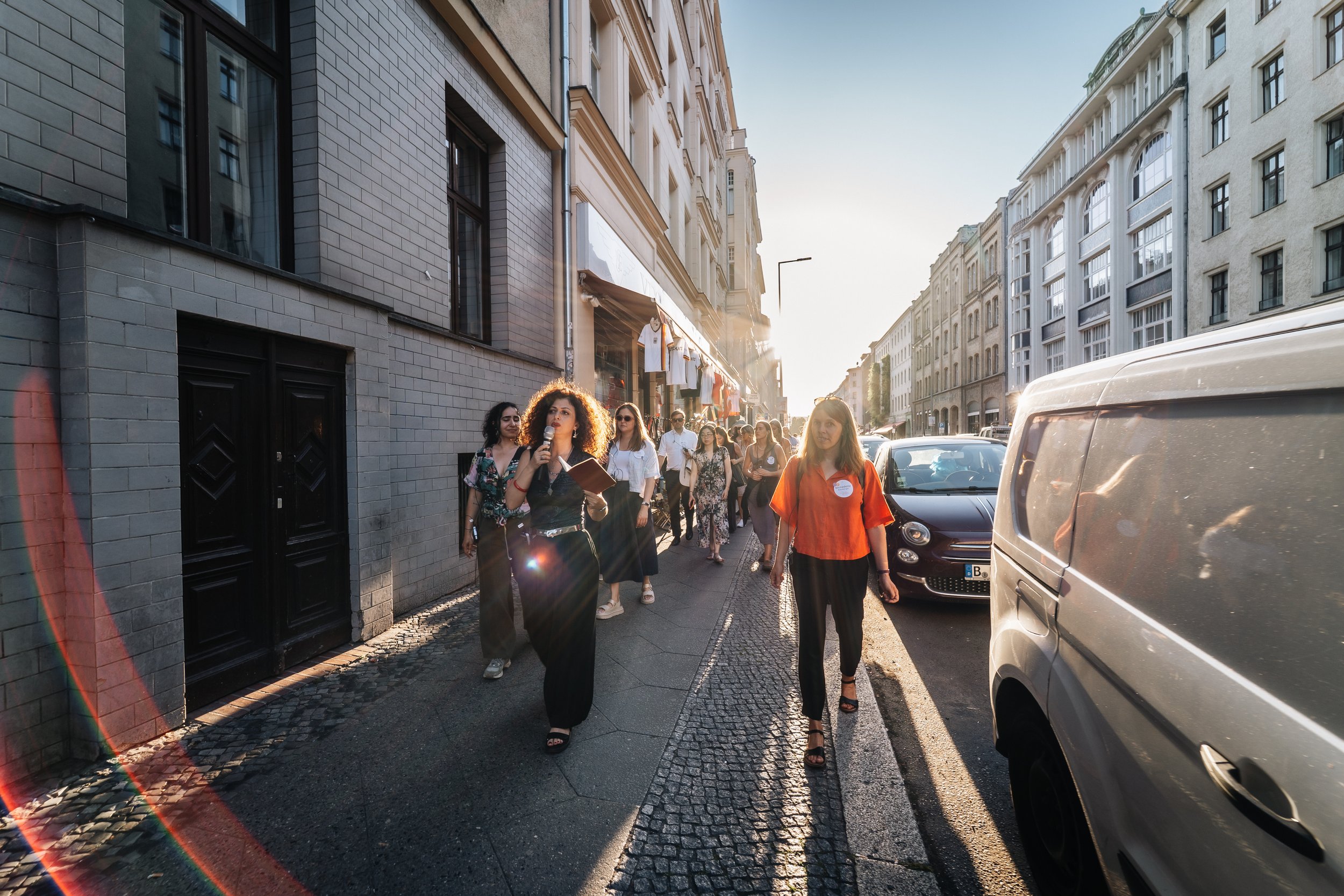
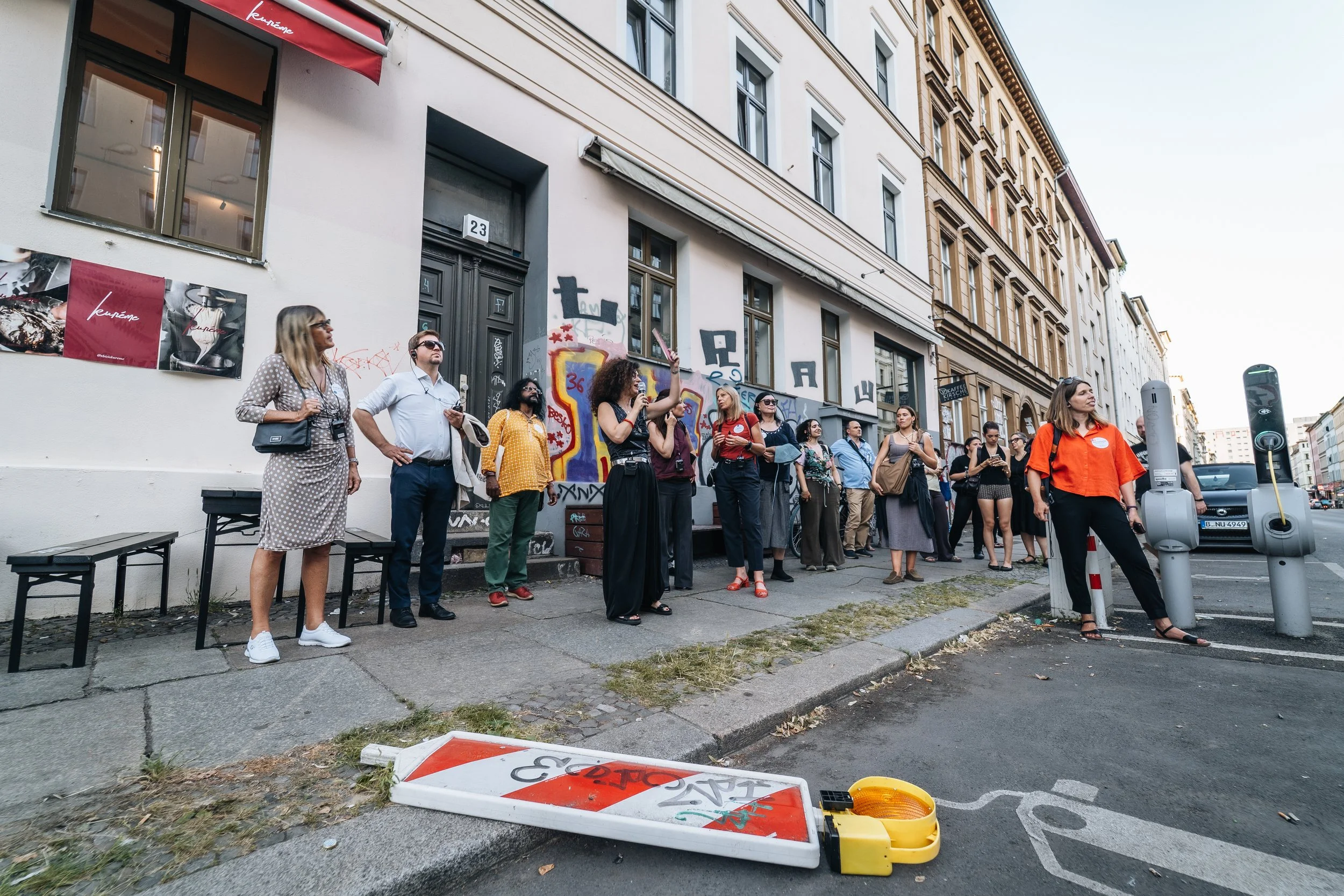
With artist Pınar Öğrenci and through the images from her documentary film ‘Gurbet is a home now ’ (2021), we move from the past to the present, from the archives directly into the urban space of Berlin today.
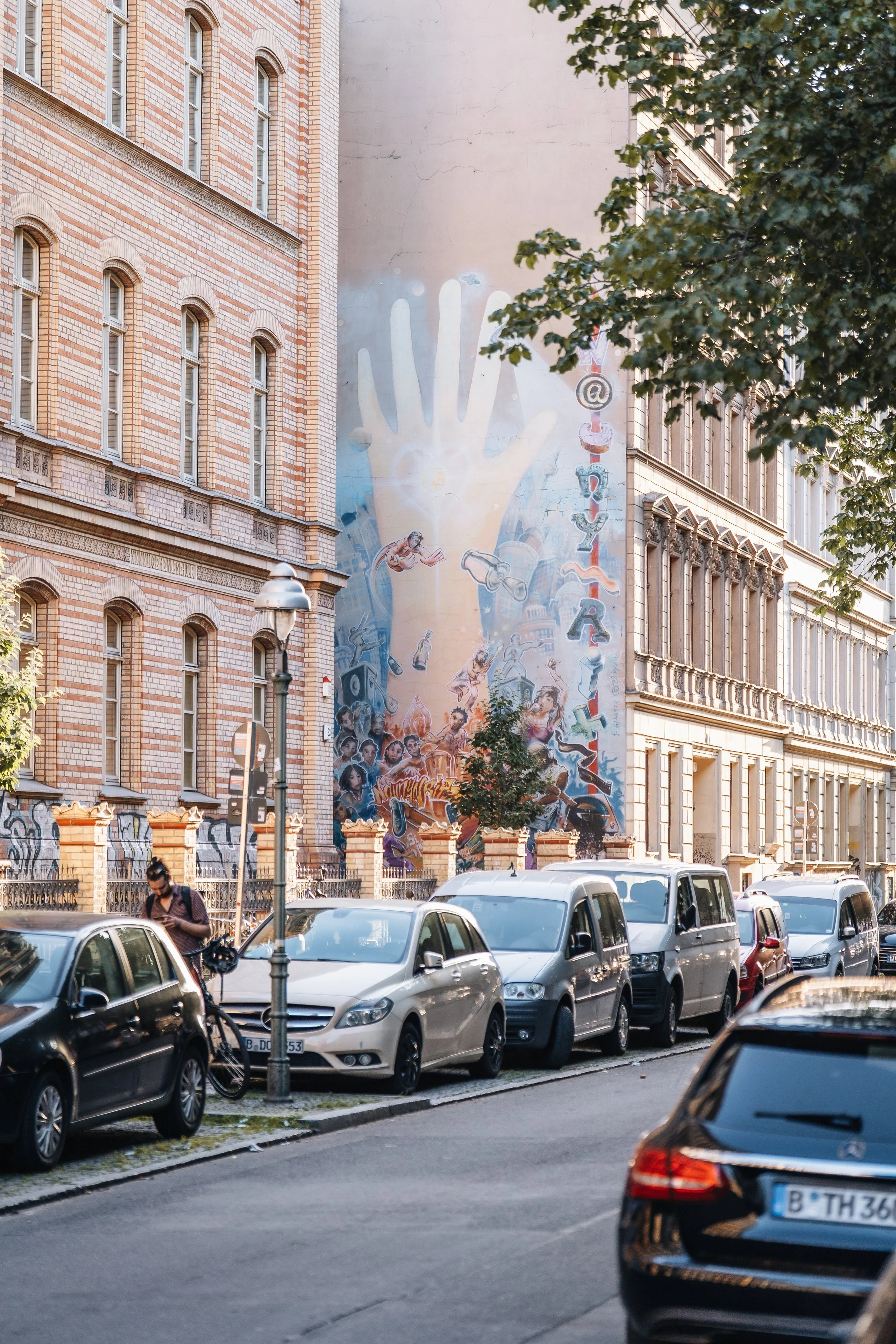
Impressions from the Berlin-Kreuzberg tour
with Pınar Öğrenci and participants of the Future Lab Berlin
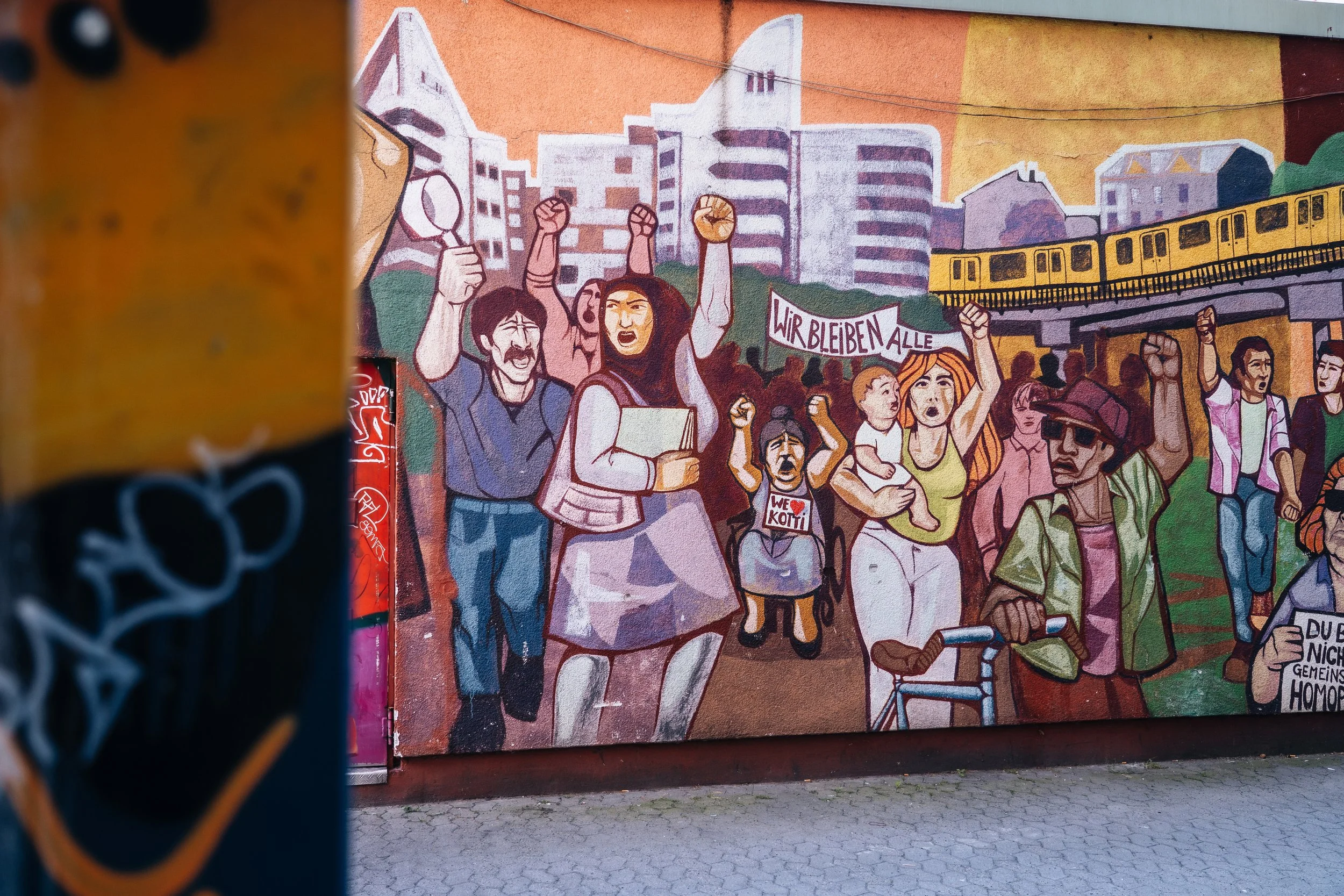
How has the public perception of so-called ‘guest workers’ in Germany changed over the past 50 years?
What changes in the understanding of social coexistence in a city like Berlin are characteristic of today?
And which struggles have not yet been resolved?
Gurbet is a home now
Trailer
For Pınar Öğrenci, who was born in Van/Turkey, themes of displacement, migration, survival and resistance are central to her films and installations. The backdrop to her work is her personal experience as a Kurdish artist now living in Berlin as a migrant due to political activities in her homeland.
With a background in architecture and restoration, Öğrenci’s poetic, research-based video works and installations draw on traces of material culture related to forced displacement. Öğrenci engages with place, site, and architecture not only as form, but as process; not only as structure, but as lived experience. Her practice responds to collective histories often left unspoken, inviting audiences to imagine futures grounded in justice, equality, and collective healing.
About the film
Gurbet is a home now (Gurbet artık bir ev)
film by Pınar Öğrenci, 54 min., 2020-21.
(in collaboration with Esra Akcan and Heide Moldenhauer)
Pınar Öğrenci’s documentary film examines the effects of discriminatory urban policies implemented in the 1980s in Berlin on ‘guest workers’. Produced in collaboration with architect and academic Esra Akcan film based on her book 'Open Architecture' about IBA (Internationale Bau Ausstellung), the post-war urban renewal project which carried out in the district of Kreuzberg between 1984 and 87. The photographs taken by the architect Heide Moldenhauer, who worked for IBA, and various materials from different archives form the basis of the film. Nearly forty years after they were taken, Öğrenci finds the people in the photographs to hold interviews with them and displays the hidden history of Kreuzberg through the experiences and solidarity stories of women immigrants.
The term ‘Gurbet’, which does not have an exact English counterpart, comes from the Arabic root ‘ğrb’ and means being away and apart from homeland. The name ‘Gurbet is a Home Now’ is inspired by poet and actor Aras Ören’s 1980 poetry book Gurbet Değil Artık (Not ‘Gurbet’ Anymore), the last part of his Berlin Trilogy (1980). The difference in meaning in the German translation of the book as ‘Die Fremde ist auch ein Haus’ (Gurbet is also a home) has been reinterpreted by the artist. ‘Gurbet is a home now’ expresses the transformation of the ‘place’ that, for the guest worker who came to Germany with plans return to their homeland after a while, was at first a foreign land and gradually became a home.
The first generation suffered a lot.
The second generation learned to say Warum (Why).
The third generation learned to say Nein (No).
— quote from the film
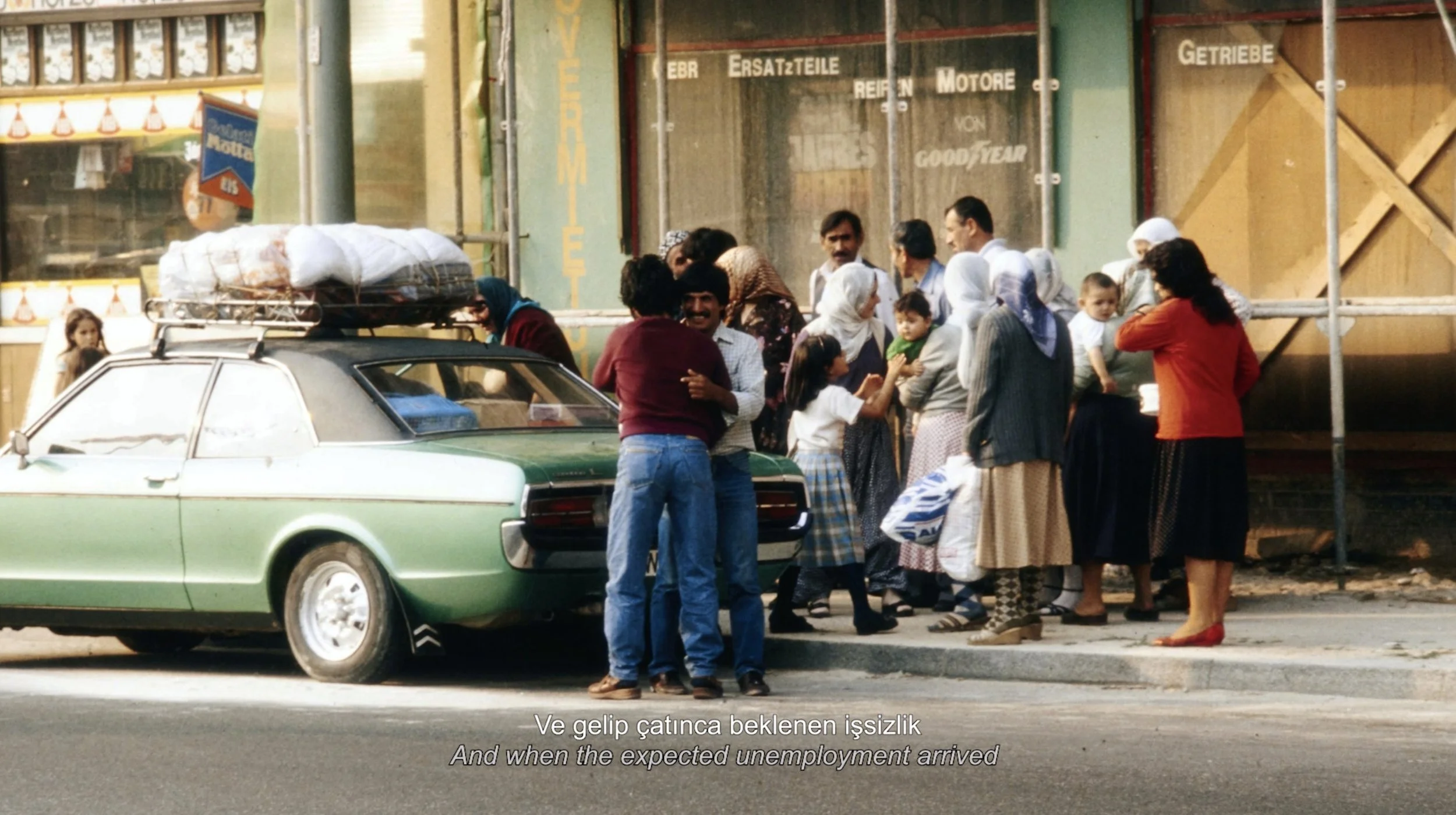
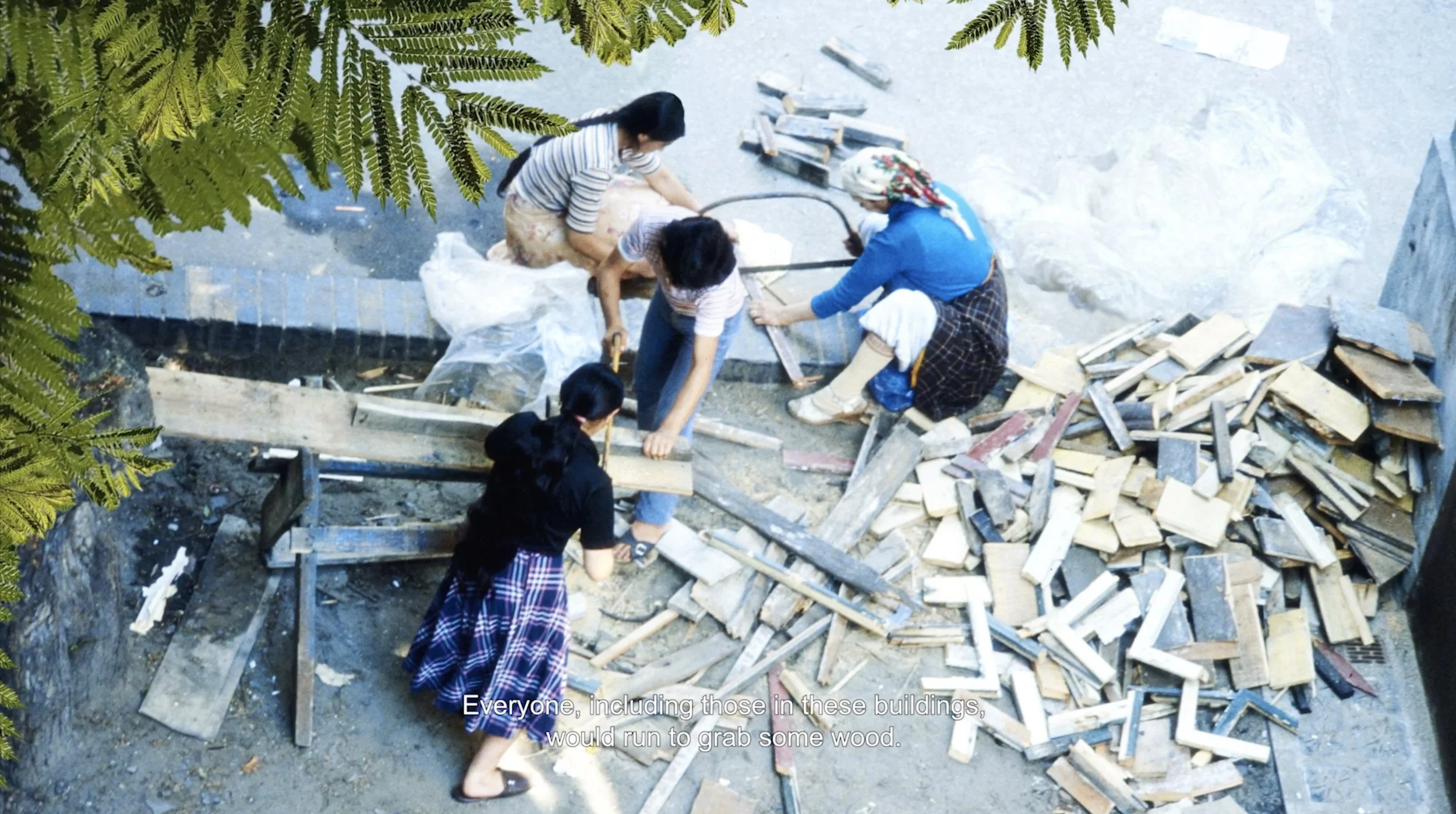
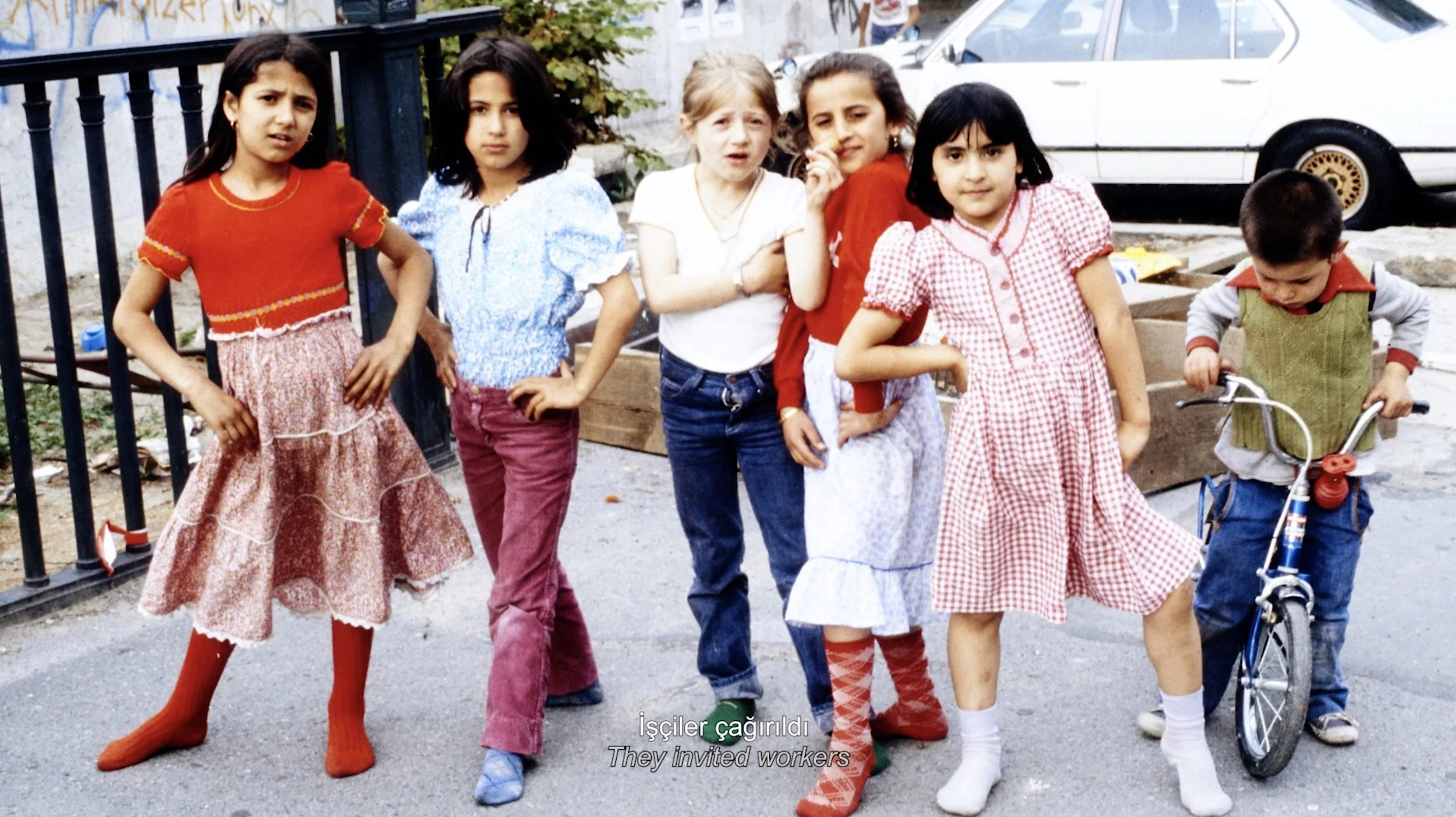
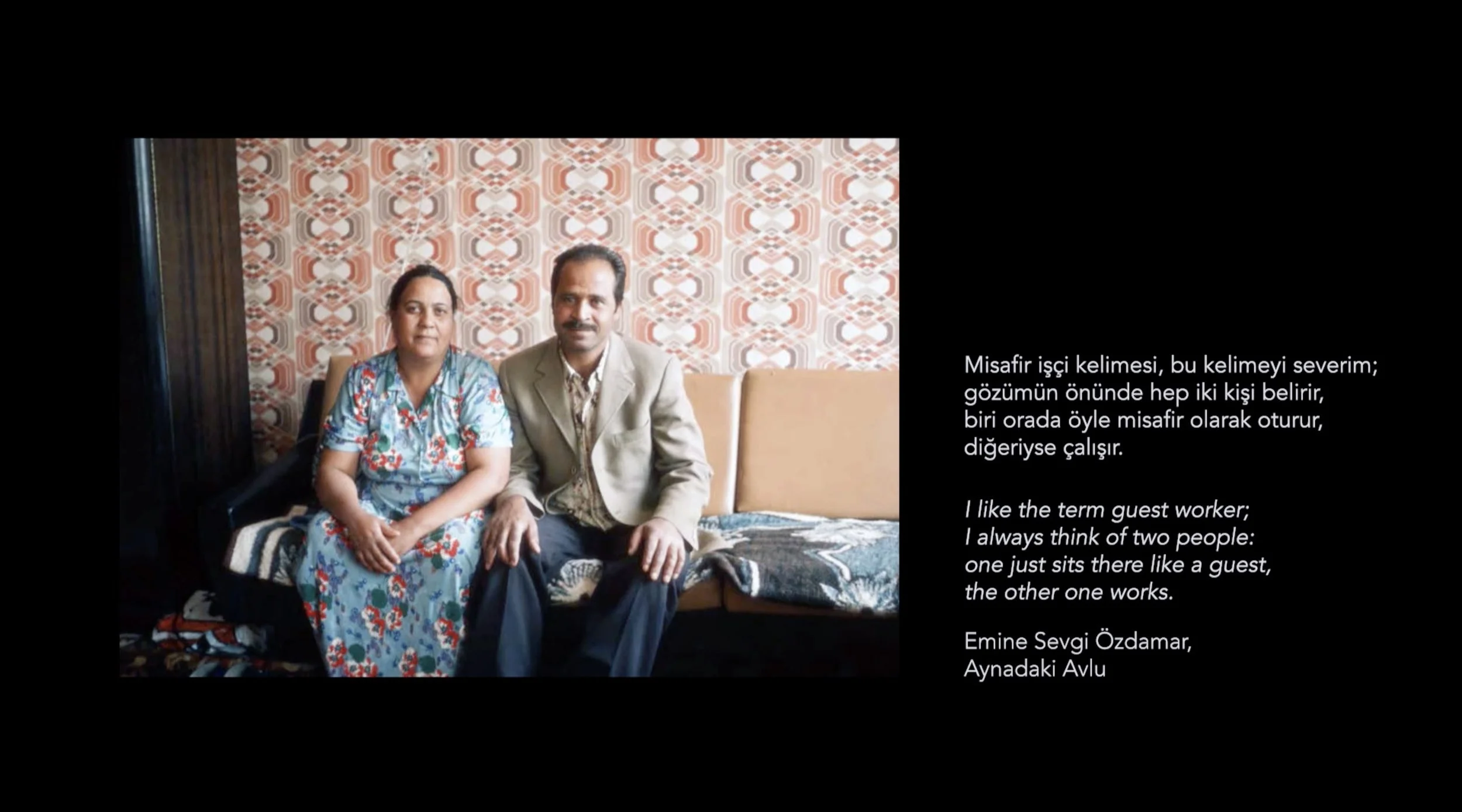
© Film stills, Gurbet is a home now, courtesy by the artist. Photographs by Heide Moldenhauer, Landesarchiv Berlin.